
Last updated November 16, 2026
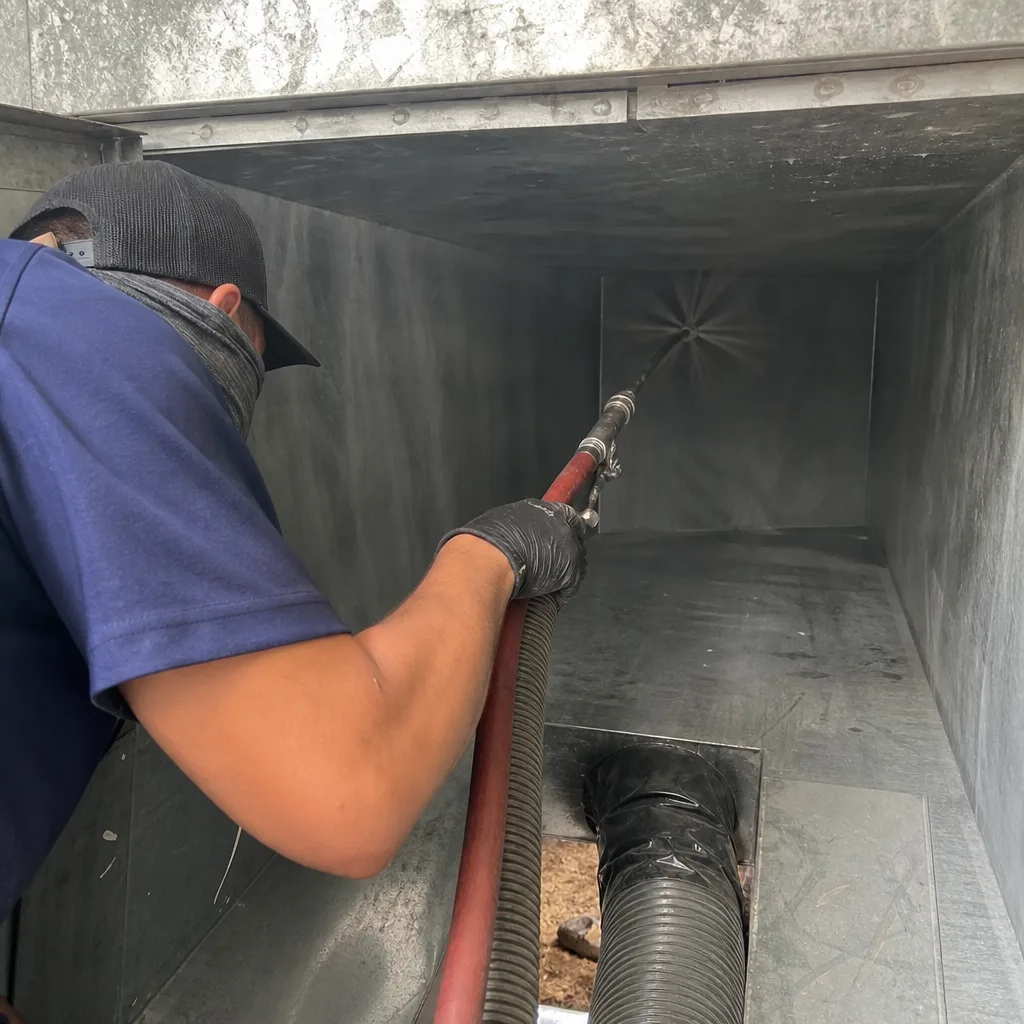
 Whole-home duct cleaning
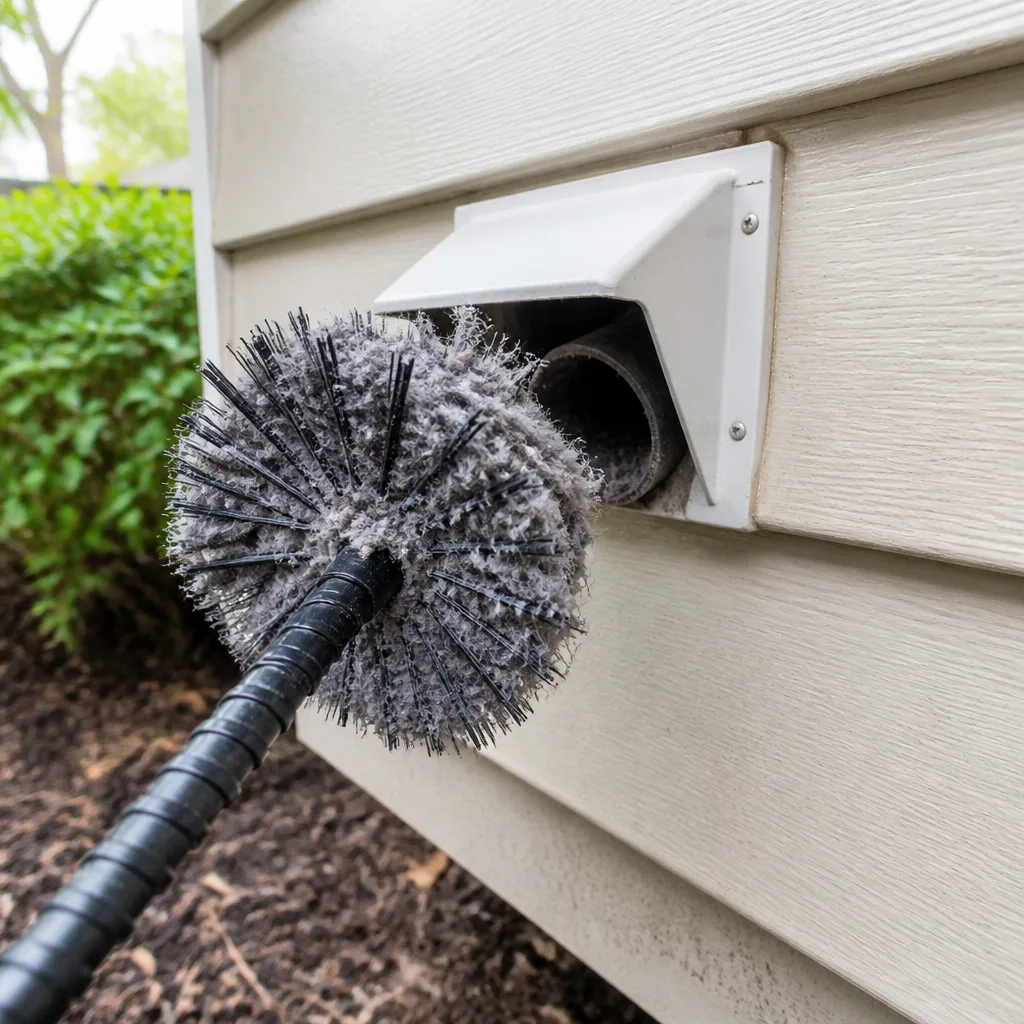 Dryer vent cleaning
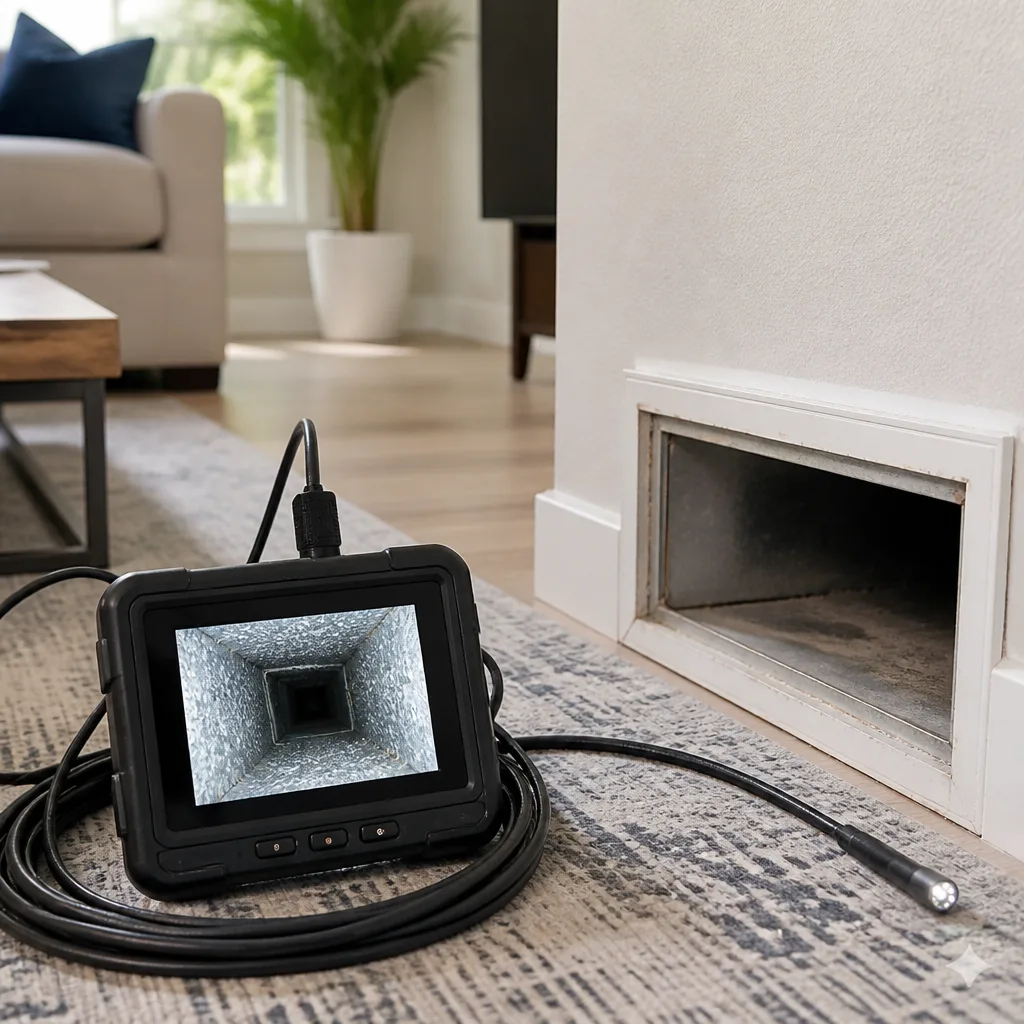 Camera inspection
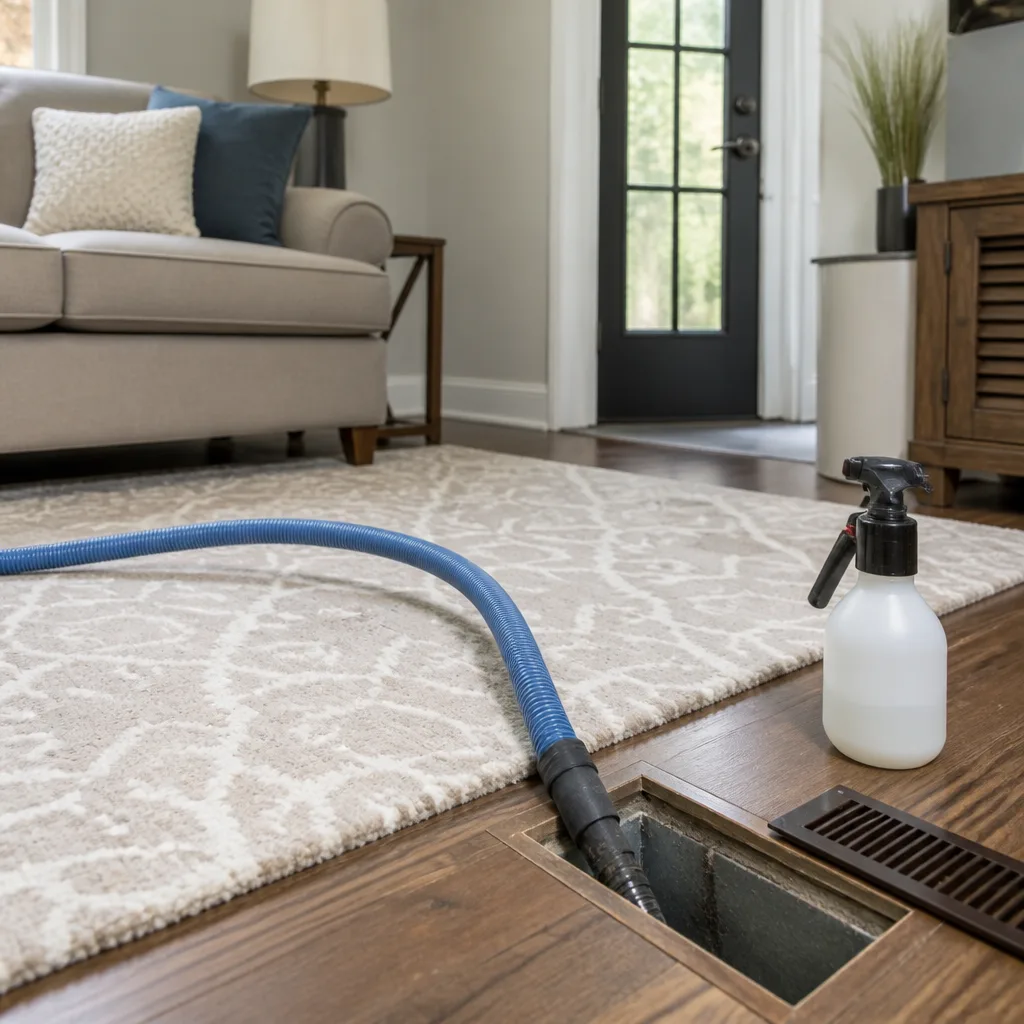 Sanitizing & deodorizing
Whole-system duct and dryer vent check with before-and-after photos - you see exactly what came out of your vents
That "$99 whole-house special" is a bait ad - the real number appears once they are in your hallway, or the "clean" is a shop-vac at the register. We photograph the inside of your ducts before and after instead.
Air Duct Cleaning Permits, Codes & Inspections in Minneapolis, MN: What You Need to Know
Most homeowners assume air duct cleaning is a quick service call with no paperwork attached. That’s true right up until the technician finds disconnected sections, insulation that may contain asbestos, or mold growth inside the system. Then a straightforward cleaning stops being straightforward: it becomes a question of Minnesota Mechanical Code, city permitting, and what has to be disclosed if the house goes on the market. In Minneapolis, that shift happens more often than people expect, especially in older housing stock where ductwork has been patched and modified over decades. This guide explains what the code actually governs, when a permit is required and when it isn’t, how pre-1978 materials change the job, and where cleaning ends and regulated repair work begins.
Quick Answer
Routine air duct cleaning does not require a permit in Minneapolis. A mechanical permit becomes necessary when the work changes duct configuration or integrity: adding or removing runs, replacing damaged sections, or altering connections to HVAC equipment. Separately, homes built before 1978 require careful handling of duct insulation and joint tape that may contain asbestos before any cleaning can proceed. When in doubt, ask Minneapolis’s building department directly, because the answer depends on what the inspection finds.
Styles & brands we work with
- Whole-home duct cleaning
- Dryer vent cleaning
- Camera inspection
- Sanitizing & deodorizing
Table of Contents
- What Minnesota Mechanical Code Chapter 5 Governs
- When Does Minneapolis Require a Mechanical Permit?
- Pre-1978 Homes and the Asbestos Question
- What “Duct Sealing” Actually Means in Code Terms
- What Happens During a Duct Inspection
- Duct Findings and Real Estate Disclosure in Minnesota
- Cleaning Versus Repair: Where the Line Sits
- Common Mistakes to Avoid
What Minnesota Mechanical Code Chapter 5 Governs
Minnesota Mechanical Code Chapter 5 covers duct systems: how they’re constructed, how they’re supported, how they’re sealed, and how they connect to furnaces, air handlers, and exhaust equipment. It’s not a document about cleanliness. It’s a document about physical integrity and safe operation. That distinction matters, because it tells you exactly what a duct cleaner is and isn’t responsible for under the code.
The provisions most relevant to a home in Minneapolis fall into a few categories:
- Material and construction: duct materials must be appropriate for the application, and flexible duct has limits on how it can be routed, compressed, and bent.
- Support and routing: ducts have to be supported at intervals and cannot rest on ceiling tiles, plumbing, or wiring in ways the code prohibits.
- Sealing: joints, seams, and connections must be sealed to a defined standard, and the code references how that sealing is verified.
- Penetrations and fire separations: where ducts pass through rated assemblies, there are specific requirements about dampers and sealing that cleaning cannot fix.
Here’s the practical takeaway. A duct cleaning technician is not enforcing Chapter 5, but a careful one will notice when your system appears to violate it. Disconnected flex runs in an attic, crushed sections behind a finished ceiling, ducts taped with materials that don’t meet current standards: these are findings, not cleaning problems. And once a finding requires corrective work, the code and the city’s permit process come into play. In our experience working throughout Minneapolis, the neighborhoods where this shows up most are the older ones with finished basements and retrofitted systems, not new construction.
When Does Minneapolis Require a Mechanical Permit?
Minneapolis requires a mechanical permit for duct work that modifies the system. Cleaning alone does not trigger that requirement. This is the single most misunderstood point in the whole conversation, so it’s worth stating plainly: if a technician only removes debris and the ductwork stays as it was, no permit is needed. If the ductwork changes, it’s a different story.
The work that typically crosses into permit territory includes:
- Adding or removing a duct run. Extending a branch to a new room or capping off a run changes the system’s design and load distribution.
- Replacing a section of duct. Swapping out a crushed or disconnected section for new material is a mechanical alteration.
- Changing connections at the HVAC equipment. Reconfiguring how the plenum connects to the furnace or air handler falls under mechanical work.
- Relocating ducts. Moving a run to accommodate a remodel, a new beam, or a finished ceiling.
- Fire damper work. Any alteration at a rated assembly penetration requires the proper process.
What does not require a permit: cleaning, sanitizing, verifying airflow, and replacing filters. Those are maintenance. If a contractor tells you cleaning requires a permit, ask which code provision they’re citing. If a contractor tells you that reconnecting a severed duct run doesn’t require anything, ask them to put that in writing. Both answers should come with a citation, not a shrug.
Because requirements shift with code adoption cycles, the reliable move is to confirm with the City of Minneapolis building department before the work starts, not after. A permit that costs a modest fee up front is far cheaper than correcting unpermitted work at resale.
Pre-1978 Homes and the Asbestos Question
A large share of Minneapolis housing stock predates 1978, and that changes the sequence of a duct cleaning job before any equipment runs. Duct insulation, joint tape, and the wrap around older rigid duct sections can contain asbestos. Cleaning a system with disturbed asbestos-containing material can send fibers into the living space, which is the opposite of what you’re paying for.
This is where a careful company slows down. Before cleaning a pre-1978 system, the questions we ask are:
- What material wraps the duct runs, and does it look friable or intact?
- Are the joints taped with a paper-backed product that may fall in the suspect category?
- Has anyone disturbed the system since it was installed?
- Is the material in a space where it can be sampled safely?
Asbestos regulation operates on a separate track from mechanical permitting. If suspect material is found, sampling and any required handling fall under environmental rules and licensed abatement professionals, not a duct cleaning crew. A cleaning company should be able to tell you when to stop and call a testing professional, not push through a job that requires a different license.
The same logic applies to mold. Visible growth inside a duct or on the plenum insulation isn’t a cleaning matter; it usually requires remediation to a defined standard before the system can be returned to service. In humid Minneapolis summers, basement ductwork and any run through a damp crawlspace are the places to watch. If a contractor offers to “clean off” visible mold with no protocol behind it, that’s a sign to get a second opinion.
What “Duct Sealing” Actually Means in Code Terms
Duct sealing is one of the most abused phrases in this trade. In a sales context it can mean anything from a bead of mastic at the plenum to a spray product applied with no verification. In a code context it means something specific: joining materials applied to a defined standard at joints, seams, and connections, with the method documented.
When a contractor offers to seal your ducts, the questions that separate a real answer from marketing are simple:
- Which standard are you working to? Sealing requirements reference defined seal classes based on the system’s pressures and application. A contractor should know that language.
- What are you sealing? Seams and joints, or the entire system? Those are different scopes with different price points.
- How is it verified? Proper sealing is tested, not assumed. Ask what test they run before and after.
- Does this work require a permit? If the sealing involves replacing duct sections or reconfiguring connections, the answer may be yes.
There’s a meaningful difference between sealing ducts to improve efficiency and sealing ducts to fix a code violation. Both are legitimate. But a company that can’t tell you which one it’s doing, or can’t name the standard it cites, is guessing. In our work around Minneapolis we’ve seen plenty of systems where the prior attempt at sealing was a foil tape job over a compressed flex run. That’s not sealing. That’s covering a problem.
Airflow verification is part of the job
Before and after, a proper system check includes static pressure readings and airflow verification at the registers. That data tells you whether the system is actually balanced or whether the sealing just moved the problem. We use professional-grade equipment on every job for exactly this reason: air duct cleaning without measurement is just guessing about what happened inside the system.
What Happens During a Duct Inspection
A proper duct inspection in Minneapolis is a documented process, not a walk-through. Here’s how it usually runs when a company is doing the job correctly.
- System mapping. The technician traces every run, notes the equipment layout, and records the register count. This establishes the baseline scope for a whole-system price.
- Visual access. Access cut-ins are opened at the plenum and at key points along the trunk. If a company won’t cut in, they can’t see inside.
- Photo documentation. Every finding is photographed before and after. You should see the inside of your own ducts, not stock images.
- Containment planning. Where the work involves potential contaminants, containment and HEPA-level negative pressure are set up before any debris moves. This is where equipment matters.
- Integrity check. The technician inspects for disconnected sections, crushed flex, water staining, pest activity, and suspect insulation.
- Findings review. Anything requiring repair or regulatory handling is identified and disclosed before the cleaning proceeds.
- Verification. Airflow and static pressure are re-checked after cleaning and any repairs.
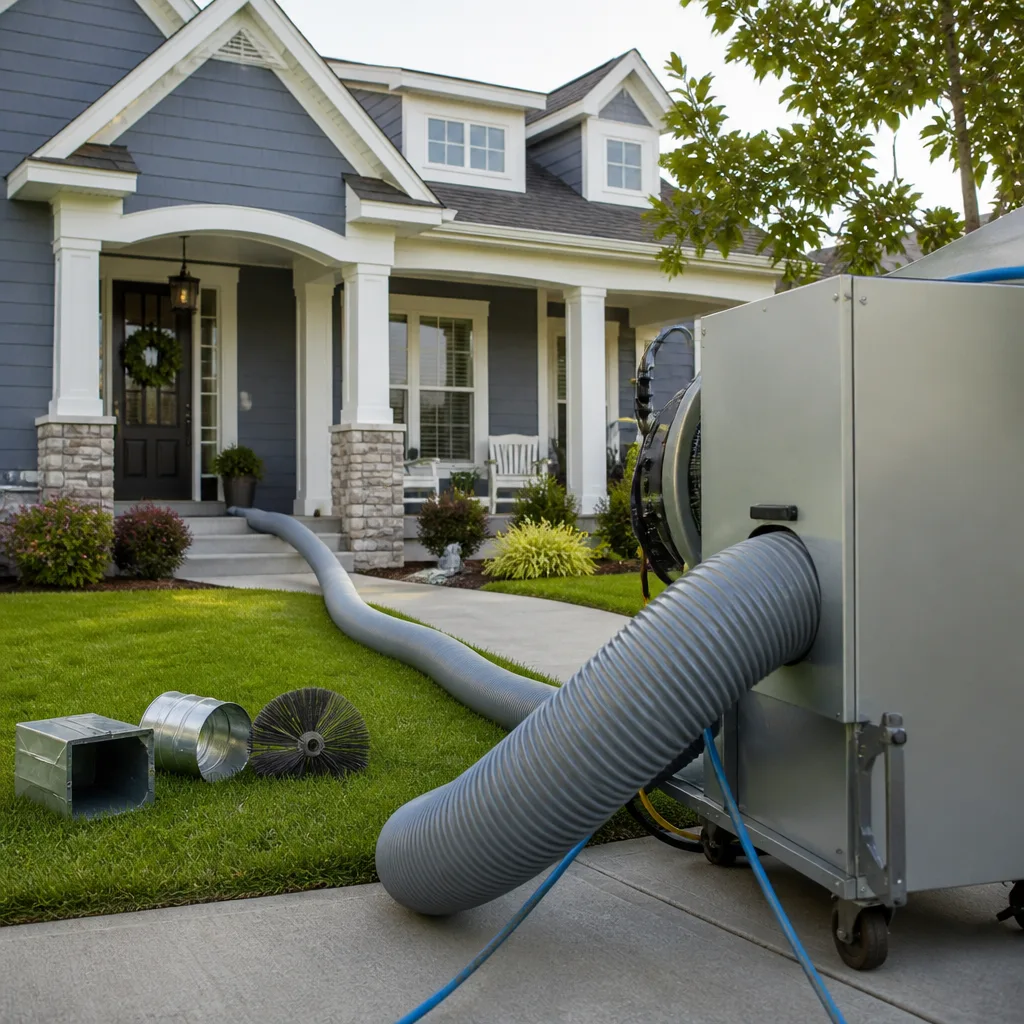
Containment is the step most companies skip. When we bring Abatement Technologies equipment on site, it’s for exactly this: keeping the dust inside the work zone so it doesn’t migrate into the living space. No amount of cleaning compensates for a job that releases debris into the room. Same goes for the cleaning hardware itself: purpose-built systems like the Rotobrush and Nikro platforms are designed to agitate, extract, and contain. A shop vac and a shop-vac-quality plan is a different product, and the invoice often shows the difference in hidden fees once the technician is on site.
If anything in the inspection turns up suspect asbestos or active mold, the job pauses. That’s the honest answer, even when it costs the company a sale that day.
Duct Findings and Real Estate Disclosure in Minnesota
Minnesota requires sellers to disclose known material facts about a property, and duct conditions can fall inside that obligation. This is the piece that catches sellers off guard, especially when a recent cleaning uncovered something and nobody wrote it down.
Consider the sequence. A seller books a duct cleaning before listing. The technician finds a disconnected run in the attic, water-stained insulation near the air handler, or a section of ductwork that needs replacement. The cleaning gets done, a few hundred dollars exchanges hands, and the seller moves on. Then the inspection happens during the sale, or the buyer’s HVAC contractor flags it, and the seller now has a documented problem they didn’t disclose.
Two things fix this before it starts:
- Get the findings in writing. Ask for the inspection summary and the before-and-after photos after every visit. If something was found, the record exists, and the seller can address it or disclose it accurately.
- Fix what needs fixing, on the record. If the work requires a mechanical permit, pulling it protects both parties. Unpermitted repair work discovered during a sale drags a closing into a negotiation that nobody wants.
Buyers benefit too. If you’re purchasing a Minneapolis home, ask the seller for any duct cleaning or HVAC service records, and check whether the visible ductwork matches what’s described. A system that’s had a run capped off improperly is a finding a good inspector will catch, and it’s worth knowing before you sign. When in doubt about whether a known duct condition is a “material fact” under Minnesota disclosure rules, consult a real estate attorney. The general guidance is that anything that would affect a reasonable buyer’s decision belongs in the disclosure.
Cleaning Versus Repair: Where the Line Sits
Cleaning removes debris from a functional system. Repair restores function to a compromised one. The two use different tools, different skill sets, and lead to different regulatory outcomes. Collapsing them into one visit is where jobs go wrong.
Cleaning is the right move when:
- Ductwork is intact and properly connected.
- Debris is typical household accumulation, not a sign of intrusion.
- Airflow and static pressure are within range before cleaning.
Repair is the right move, and often the permit conversation, when you find:
- Disconnected or crushed flex runs.
- Sections that have separated at joints and can’t be resealed in place.
- Improperly supported or prohibited material configurations.
- Connections that need to be reworked at the HVAC equipment.
This is why we push so hard on the idea that cleaning and repair belong together. A company that only cleans leaves you with a clean but still-broken system. A company that cleans, inspects, and can perform the repair itself keeps the whole job accountable to one estimate. That’s what we mean when we say we clean it, fix it, and clear it: Clover Air Duct Cleaning handles the full scope, and we don’t hand you off to a separate contractor when the inspection turns up something.
For the same reason we take dryer vents seriously. A dryer vent line is a fire risk that most companies treat as an afterthought, and a blocked or improperly routed vent is the kind of finding that should get documented and corrected, not just vacuumed. Professional dryer vent cleaning is part of the same inspection discipline we apply to the duct system, and the fire-safety angle is a real reason to book it, not a marketing hook.
Common Mistakes to Avoid
- Assuming cleaning requires a permit. It usually doesn’t. Ask the contractor to name the code provision if they say otherwise, because the answer tells you whether they understand the rules or are billing you for paperwork you don’t need.
- Assuming repair doesn’t require a permit. The opposite mistake, and the more expensive one. A duct modification in Minneapolis that skips the permit process can cost far more to correct at resale than the permit costs up front.
- Cleaning a pre-1978 system without checking the duct insulation. Older Minneapolis homes often have suspect materials in the system. Cleaning without that check can disperse fibers into the living space, and that’s a safety problem that overrides everything else on this list.
- Accepting a duct sealing offer without a named standard. If the contractor can’t cite the standard they’re working to, you’re paying for foil tape and a story.
- Not asking for before-and-after photos. You should see the inside of your own ducts, not stock images from a brochure. Any company that won’t document the work is asking you to take their word for it.
- Skipping the record after a cleaning, then selling the home. If a finding was noted and no one wrote it down, the seller ends up in a disclosure conversation with no answer.
- Skipping containment. A cleaning performed without proper negative pressure and HEPA filtration releases dust into the room. The whole point of the job is to remove debris, not redistribute it.
See the difference
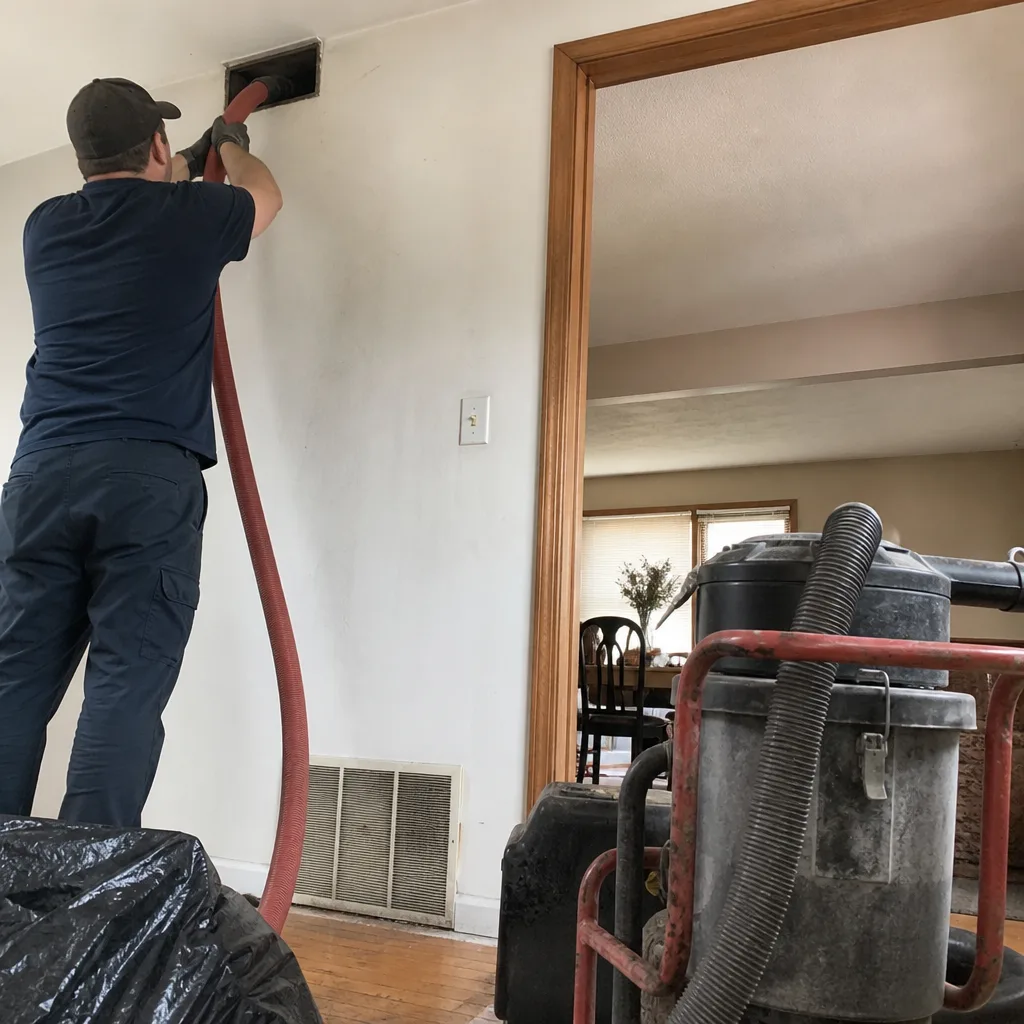 Before
 After
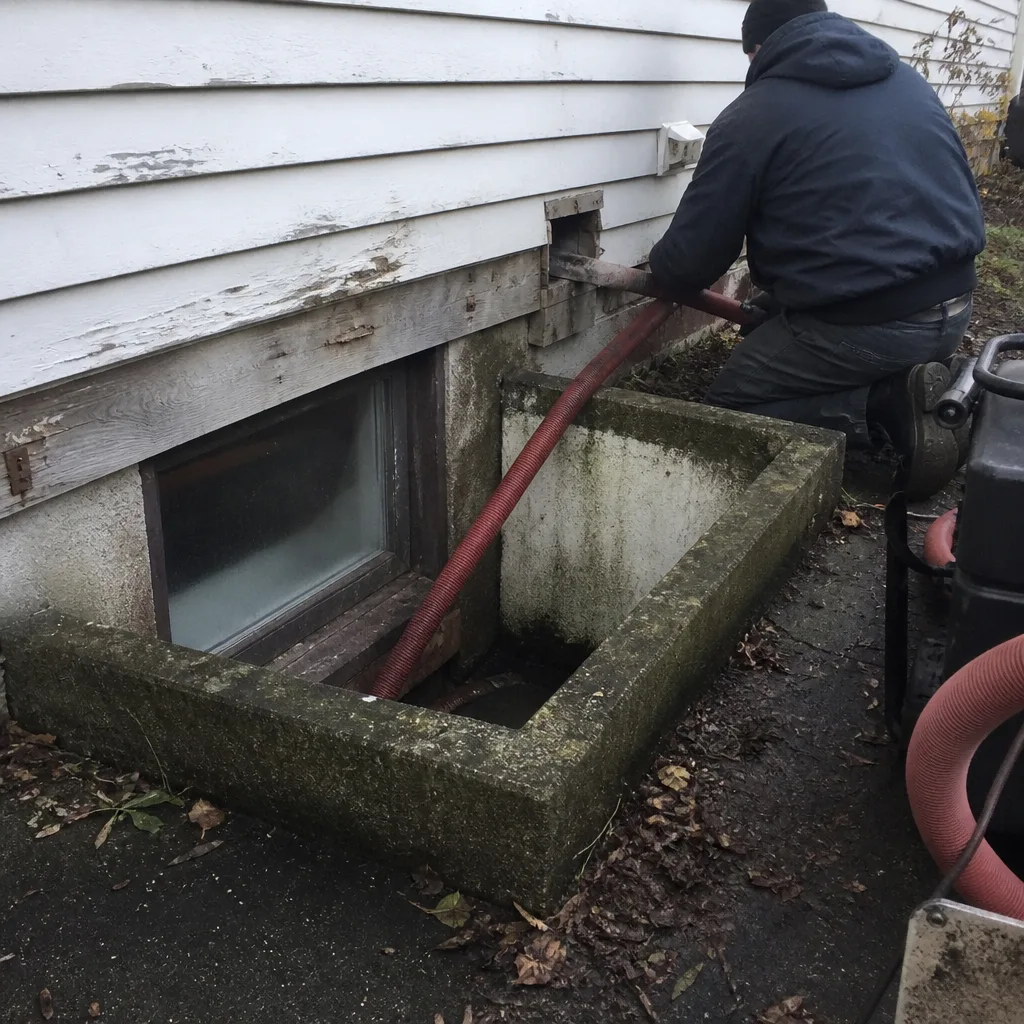 Before
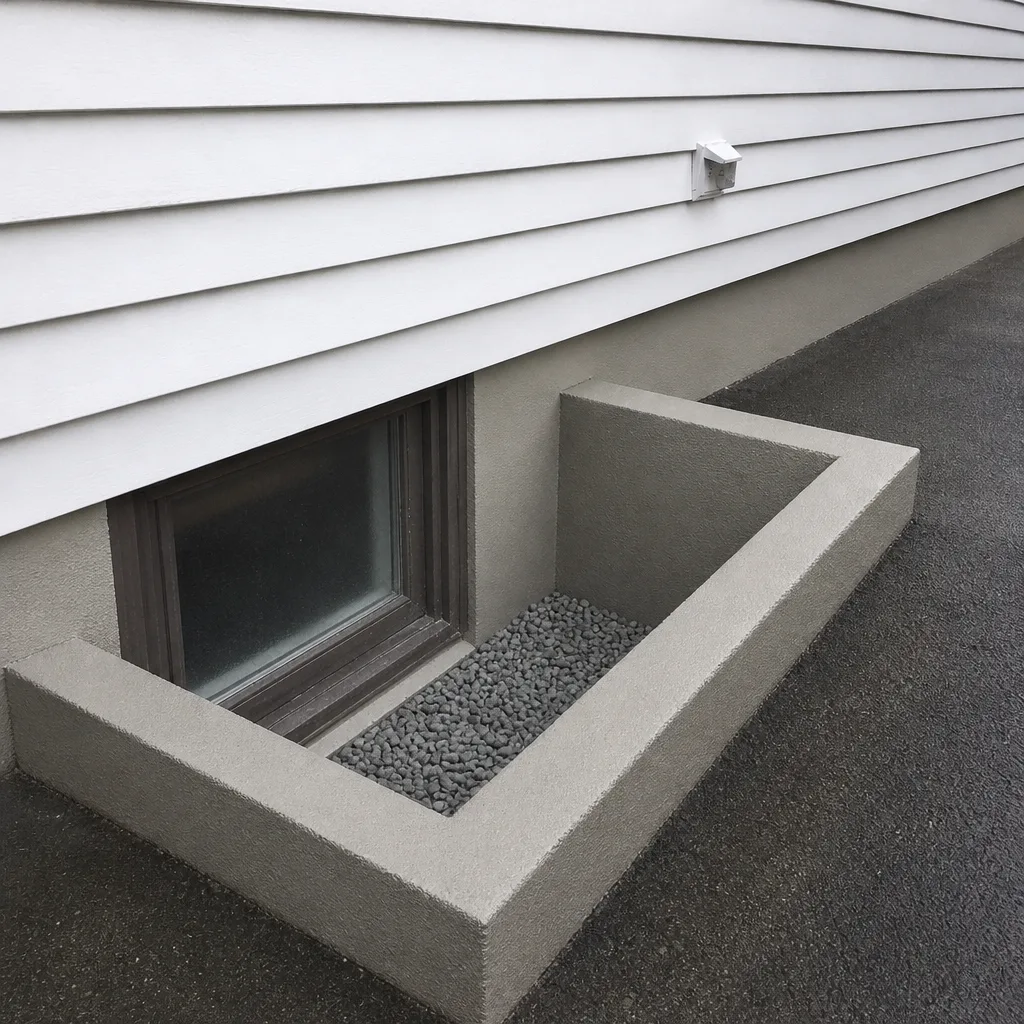 After
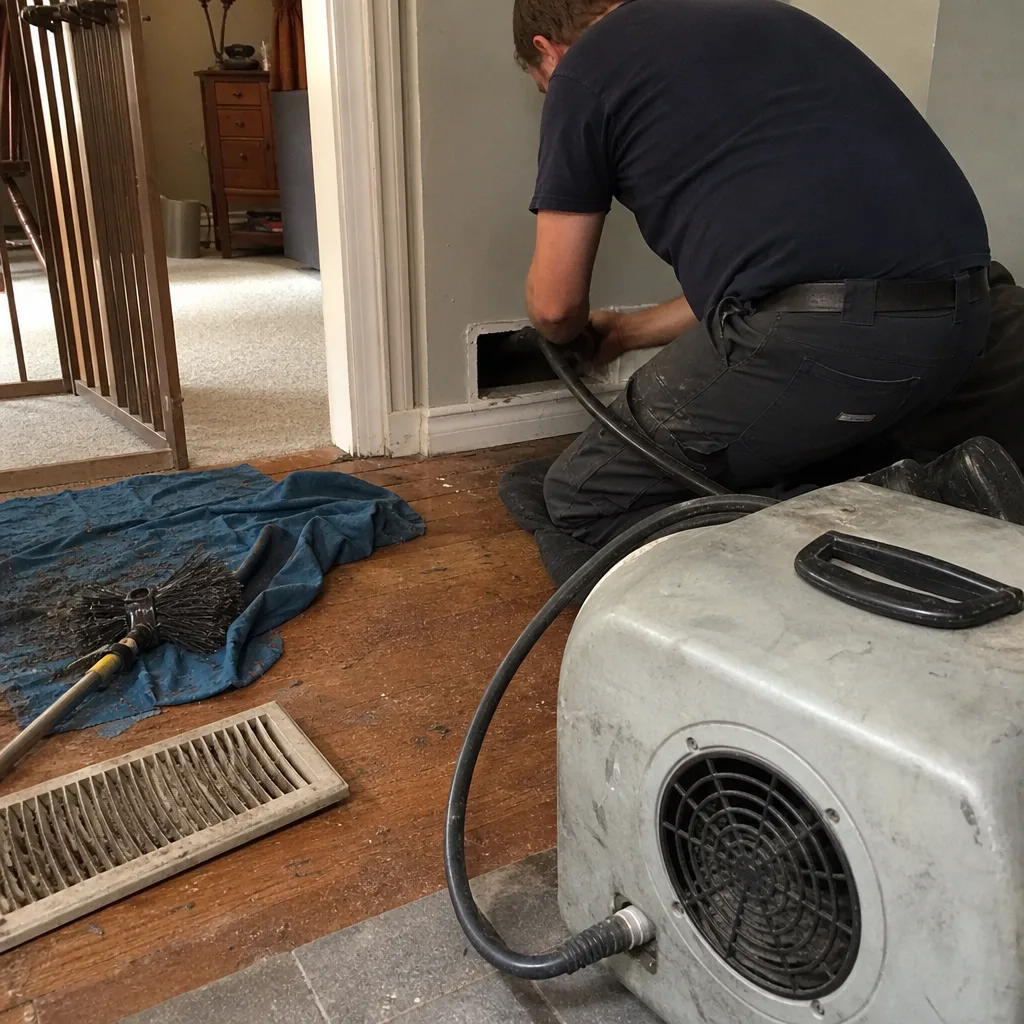 Before
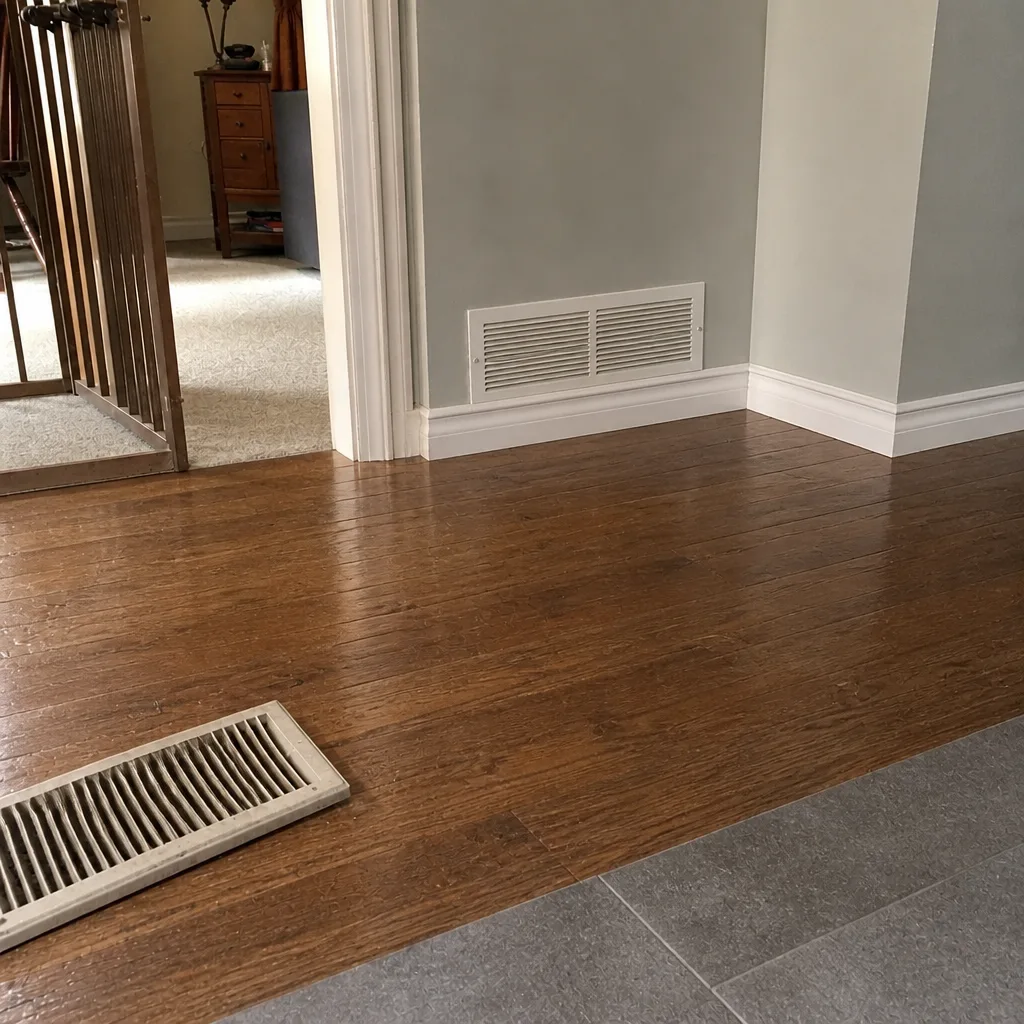 After
When to Call a Professional
Call a professional when the system has visible mold, water staining, pest evidence, or a section you can see is disconnected but can’t reach. Call when the job is in a pre-1978 home and you don’t know what’s wrapping the ducts, because the material decision comes before the cleaning decision. Call when someone has offered to “seal your ducts” without naming the standard and you want a second opinion. And call when a cleaning quote sounds suspiciously low, because the gap is usually per-vent pricing that grows into a real invoice once the technician is on site. Clover Air Duct Cleaning offers free estimates in Minneapolis, and the price is set per system from a written estimate before any work begins. Call (844) 320-5410. We answer 24/7. Fast dispatch from 7am to 7pm, Sunday through Friday.
Frequently Asked Questions
No. Routine cleaning of an intact duct system does not require a mechanical permit in Minneapolis. A permit enters the picture only when the work modifies the duct system: adding or removing runs, replacing sections, or changing connections at the HVAC equipment. If a company tells you cleaning requires a permit, ask which provision they’re citing.
A mechanical permit is required when the ductwork itself changes: adding a new run, capping a run, replacing a section of duct, relocating a run, or reworking the connection at the furnace or air handler. Cleaning, sanitizing, and filter replacement are maintenance and stay outside the permit process. Requirements can shift as the code cycles update, so confirm with the City of Minneapolis building department before the work starts.
Yes. Duct insulation, joint tape, and wrap on older rigid sections in pre-1978 homes can contain asbestos, and disturbing that material during cleaning releases fibers into the living space. A careful company will check the material before cleaning begins and stop the job if suspect material is identified, because asbestos handling falls under a separate regulatory track and requires licensed abatement. The check comes first; the cleaning follows.
Cleaning removes debris from inside the system. Sealing applies joining material to joints, seams, and connections to a defined standard. A contractor offering to seal your ducts should be able to name the standard they’re working to and explain how the result is verified. If they can’t, it’s a sales pitch masquerading as a technical service.
Yes. Minnesota requires sellers to disclose known material facts, and documented duct conditions can fall inside that requirement. If a cleaning or inspection turned up a disconnected run, water staining, or a repair need, get the findings in writing and keep the before-and-after photos. Disclose or correct it on the record, and pull a permit if the repair required one. When in doubt about whether something counts as a material fact, ask a real estate attorney.
Ask for before-and-after photos of your own ducts and a written inspection summary after every visit. A system-level job includes containment and HEPA filtration to keep debris out of your living space, and airflow verification before and after. If a company won’t document the work, you’re relying on trust alone, and that’s the wrong standard for a job that touches every room in the house. Call (844) 320-5410 for a free estimate and a clear scope.
The Bottom Line
Routine air duct cleaning in Minneapolis doesn’t require a permit, but the work that can come out of a cleaning often does. Minnesota Mechanical Code Chapter 5 governs duct construction, support, sealing, and connections, and any change to the system is a mechanical alteration that runs through the city’s permit process. Pre-1978 homes add an asbestos question that has to be answered before cleaning begins, not after. And when a cleaning uncovers a repair, the record of that finding matters in a way that most homeowners only discover at resale. The pattern is the same in every case: get the inspection documented, name the standard, pull the permit when the work requires it, and keep the photos. That sequence protects the house and the sale.
If you’re in Minneapolis and you want a straight answer about what your system needs, we can help. We use professional-grade equipment on every job, including Rotobrush and Nikro systems and Abatement Technologies containment. We handle cleaning, repair, and dryer vent safety under one roof, and we work with Honeywell and Aprilaire for indoor air quality solutions when the system calls for it. Our technicians have up to 14 years of experience, and the price is set per system from a written estimate before work starts. No per-vent pricing, no surprise invoice. Call (844) 320-5410 for a free estimate. We answer 24/7. Fast dispatch from 7am to 7pm, Sunday through Friday.
Written by the team at Clover Air Duct Cleaning.