
Last updated November 16, 2026
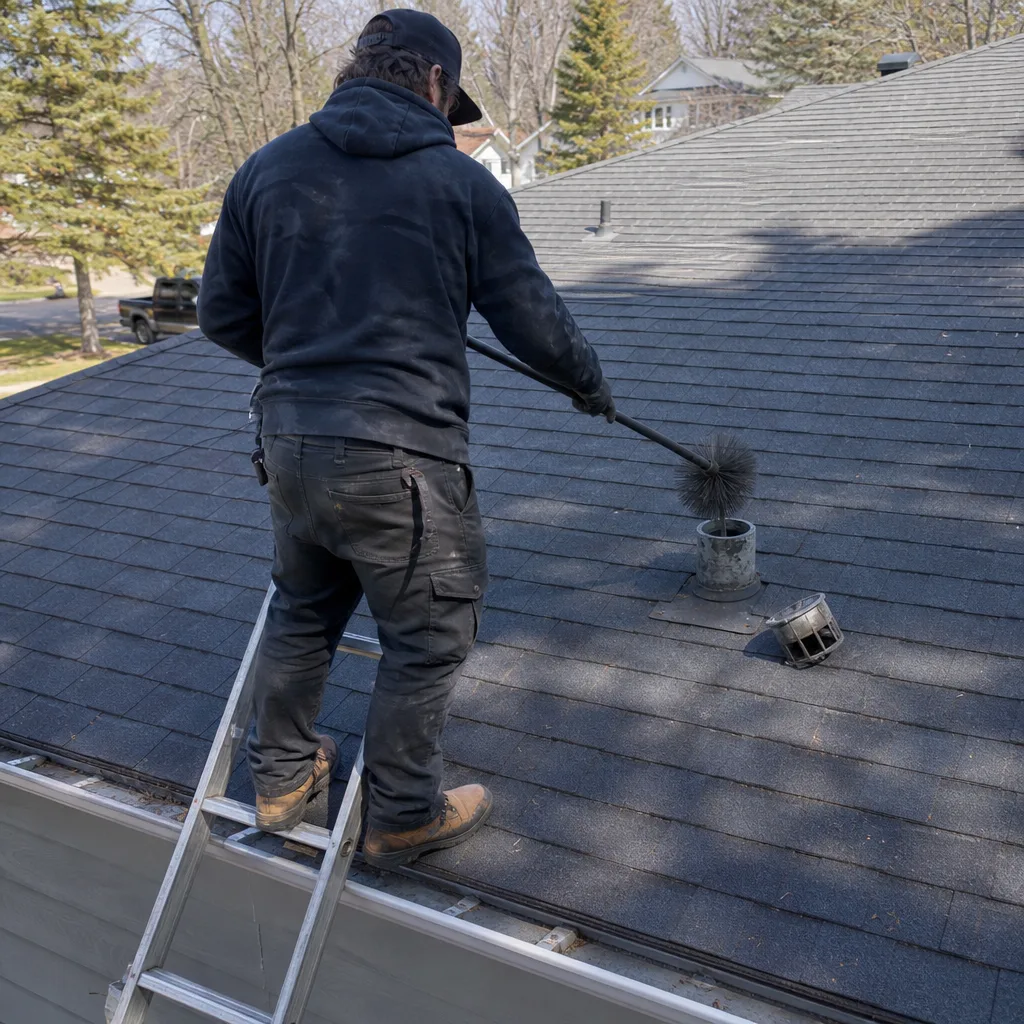
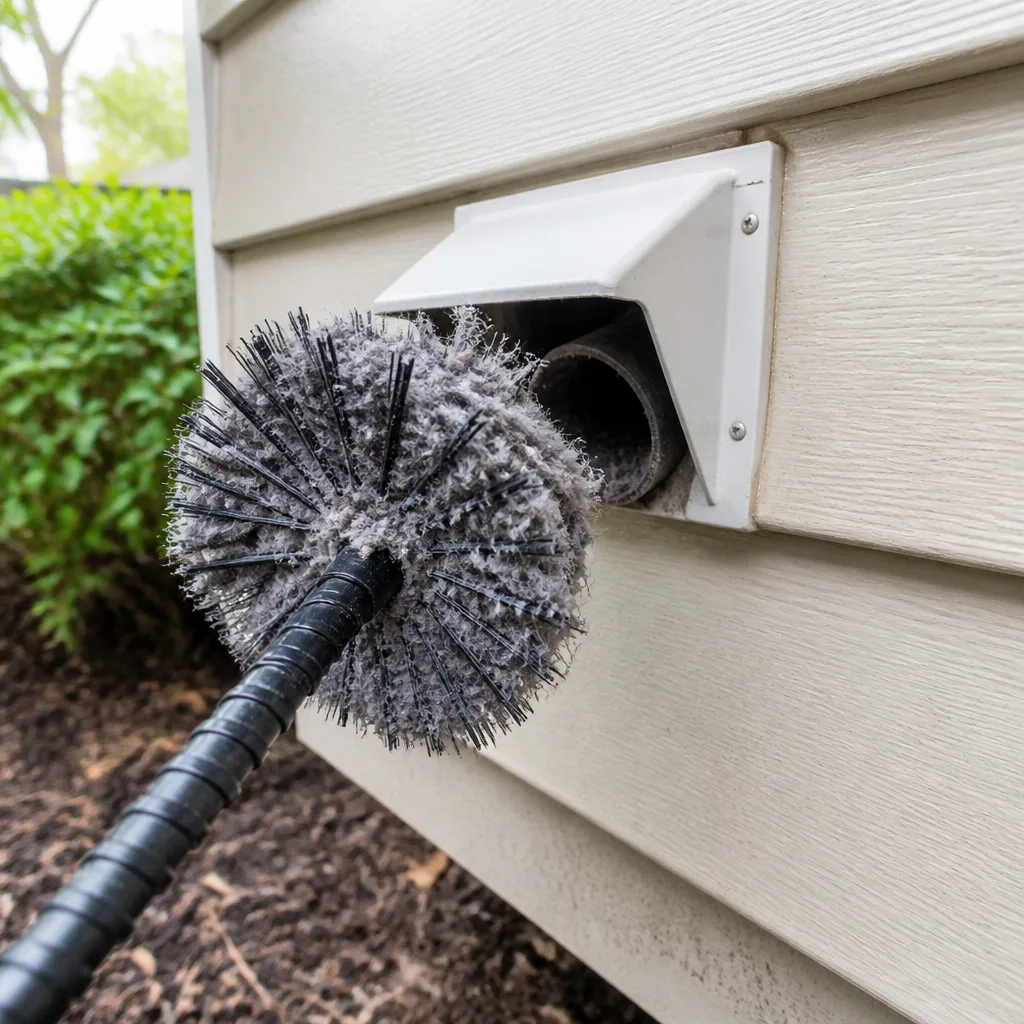 Dryer vent cleaning
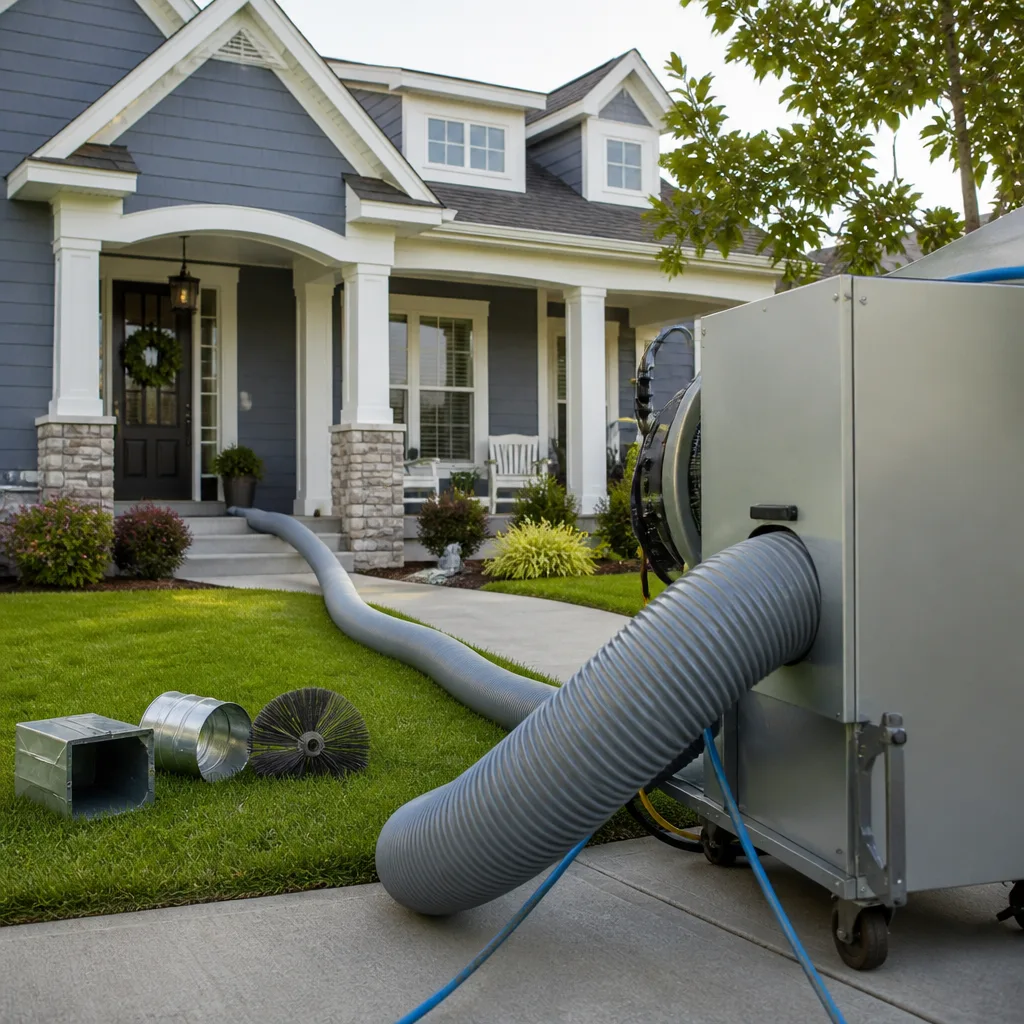 Whole-home duct cleaning
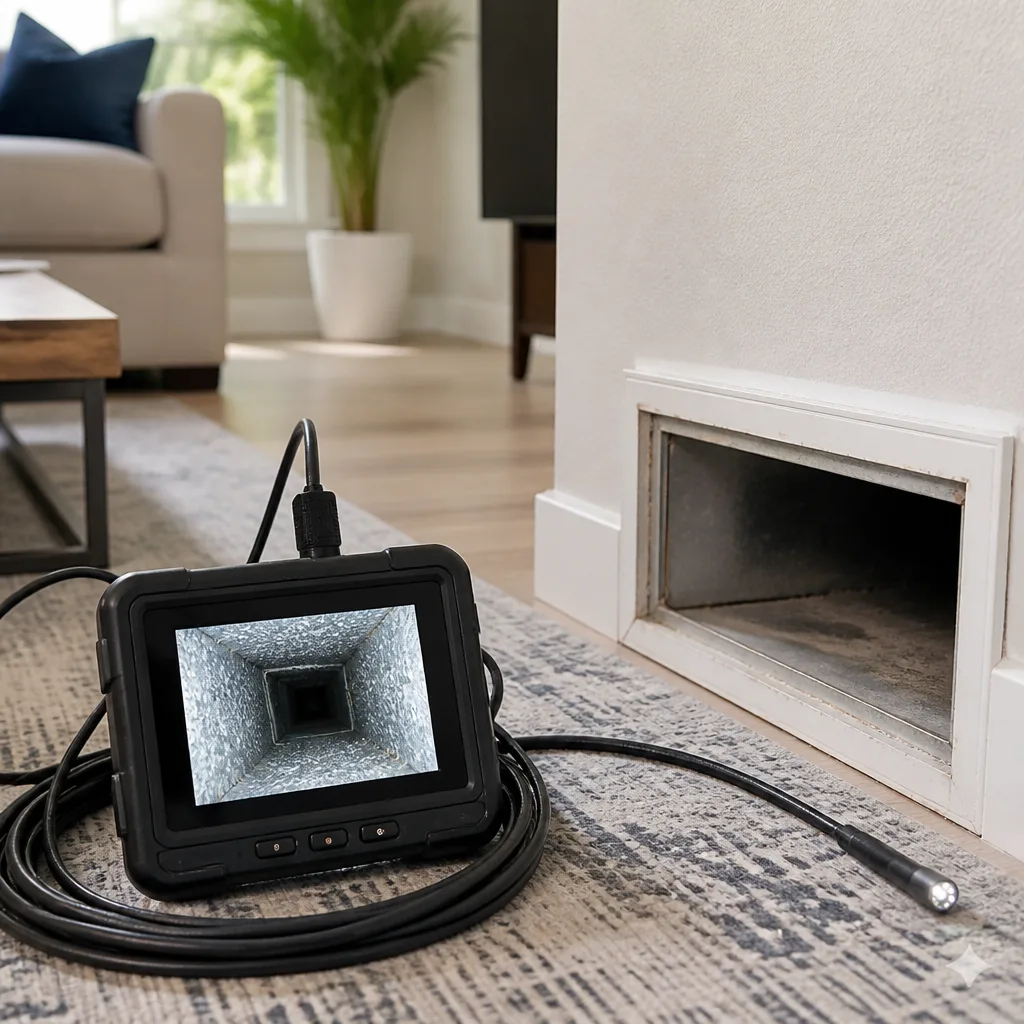 Camera inspection
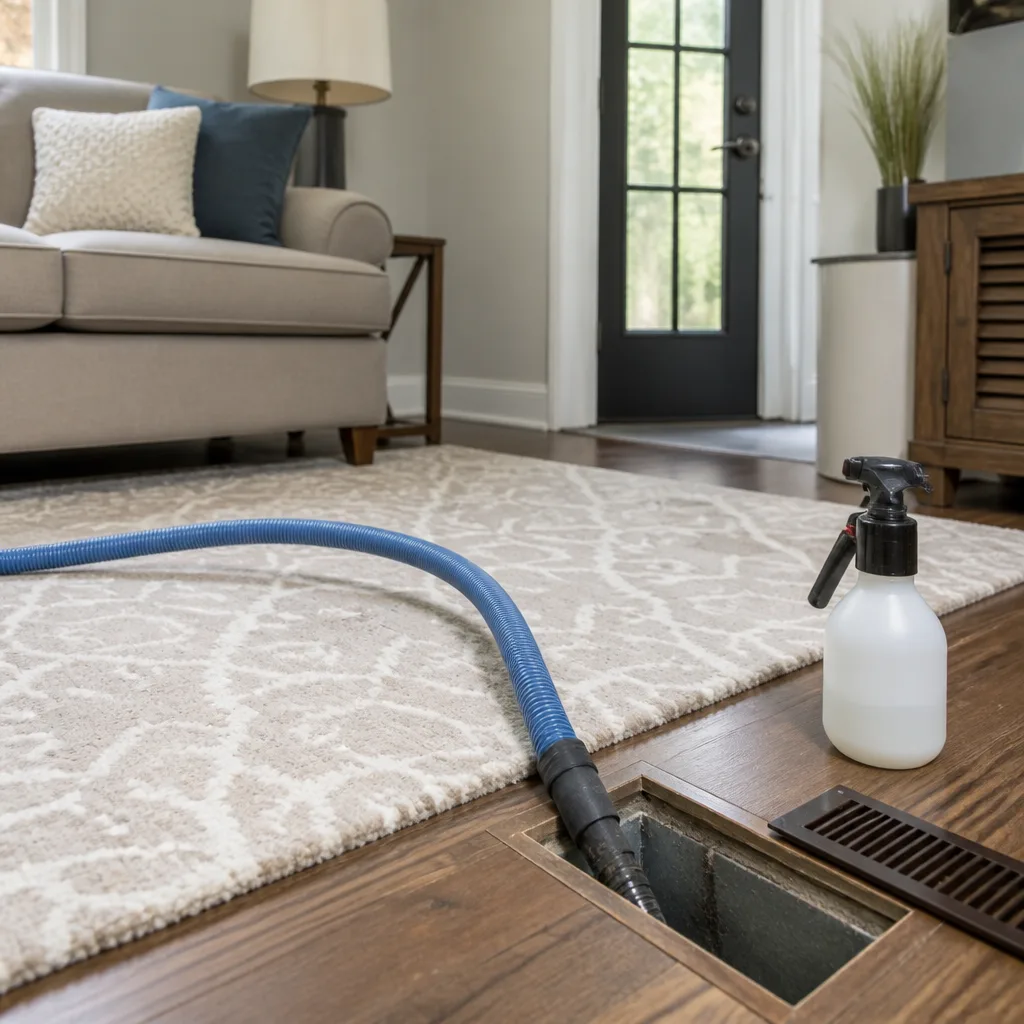 Sanitizing & deodorizing
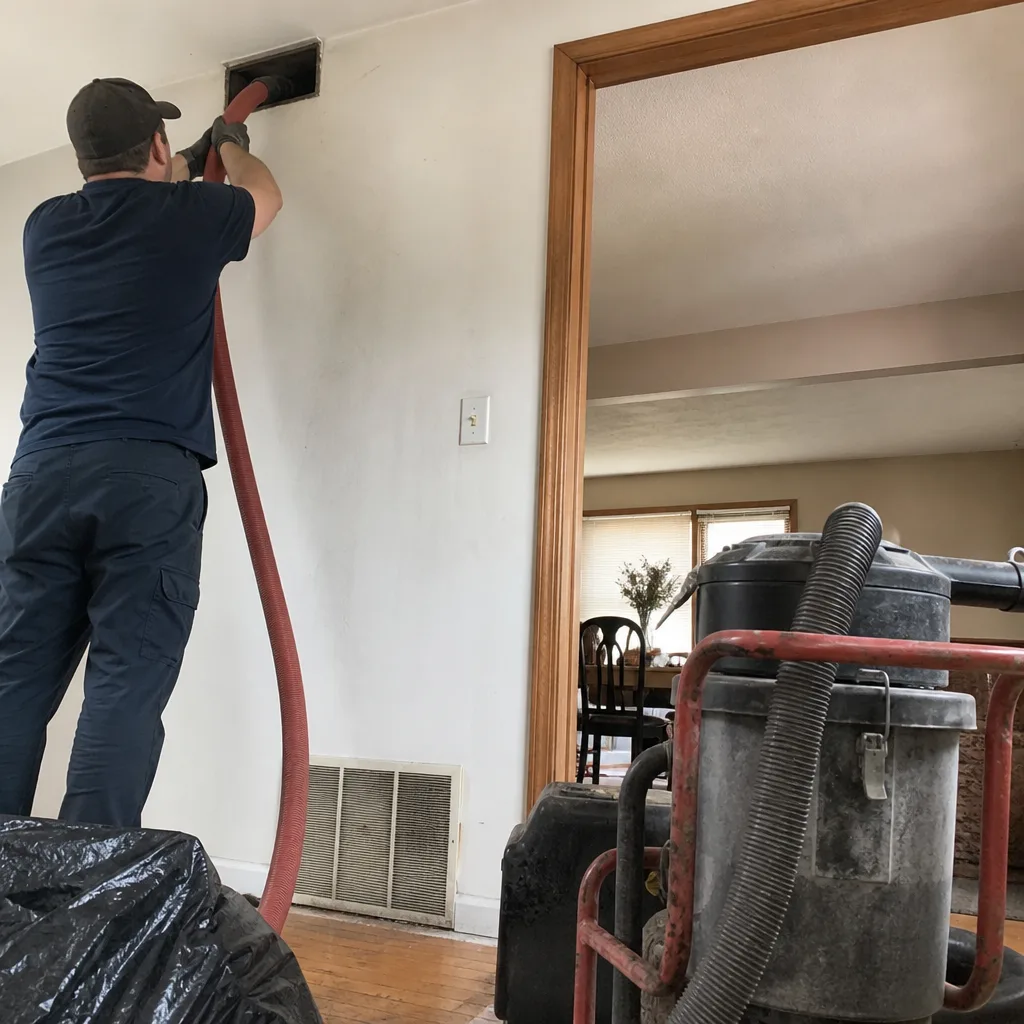
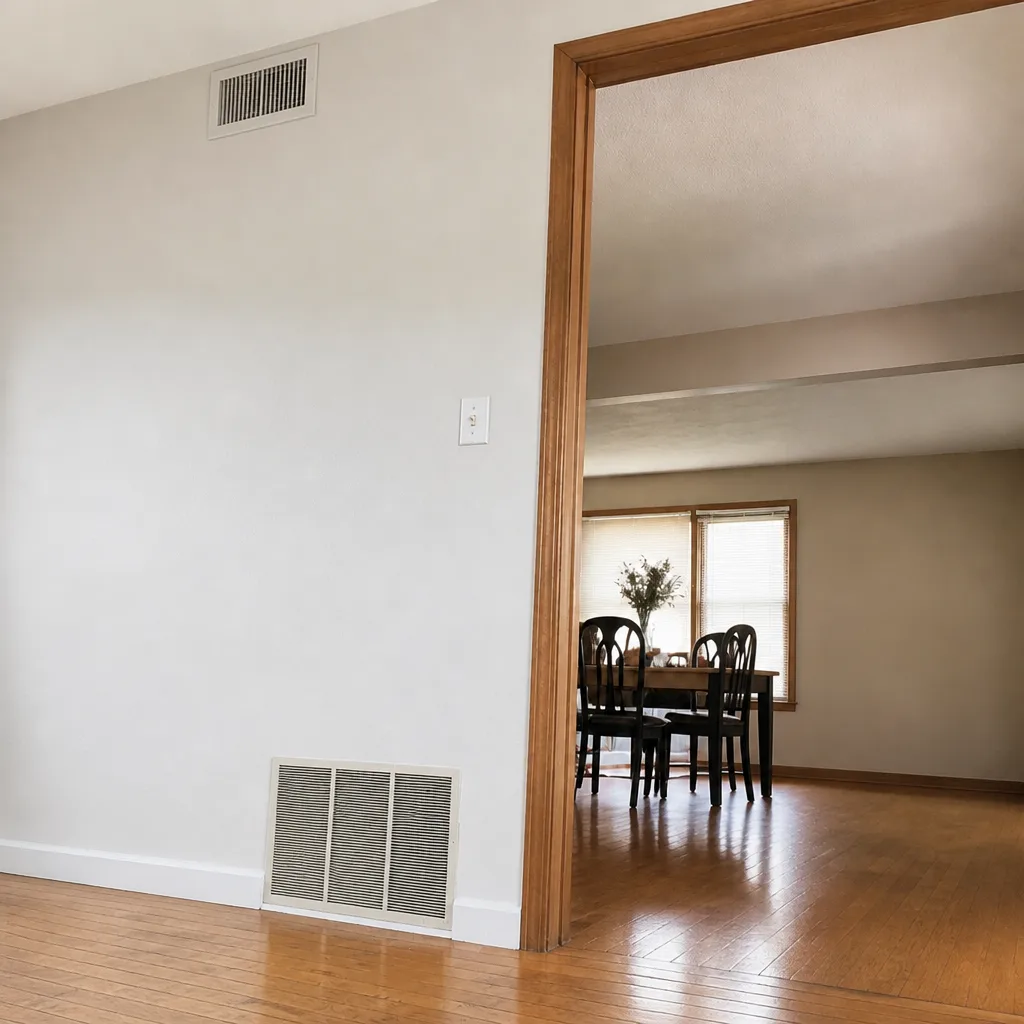
Whole-system duct and dryer vent check with before-and-after photos - you see exactly what came out of your vents
That "$99 whole-house special" is a bait ad - the real number appears once they are in your hallway, or the "clean" is a shop-vac at the register. We photograph the inside of your ducts before and after instead.
The Complete Dryer Vent Cleaning Guide for Minneapolis Homeowners
Minneapolis winters test a dryer vent in ways most cleaning advice never addresses. A frost-blocked exterior cap and a lint-clogged duct behave almost the same way from inside the laundry room: the dryer runs hot, clothes take two cycles, and the wall behind the machine warms up. Many homeowners here clean or vacuum what they can reach, feel satisfied, and still run the same fire risk because the blockage was never at the flap. This guide covers what actually happens to a dryer vent in Minneapolis, why pre-1980 homes need different equipment, and how to verify a vent is truly clear. You’ll learn the winter-specific problems to watch, the routing issues common to Minneapolis basements, and how to set a cleaning schedule that matches your household.
Quick Answer
A dryer vent in Minneapolis should be cleaned every one to three years depending on household size, duct length, and dryer type. In this climate, add a winter inspection of the exterior cap for frost closure and confirm airflow with a measured CFM reading after every cleaning, because a visually clear vent can still be a restricted one.
Styles & brands we work with
- Whole-home duct cleaning
- Dryer vent cleaning
- Camera inspection
- Sanitizing & deodorizing
Table of Contents
- Why Minneapolis Winters Change Everything About Dryer Vent Care
- Long Duct Runs in Older Minneapolis Homes
- “Cleaned” vs. Fully Cleared: How to Verify Airflow
- Basement Laundry Rooms and 90-Degree Turns
- How Often Should You Clean? A Minneapolis Schedule
- Gas vs. Electric Dryers: The Difference That Matters
- A Step-by-Step Walkthrough of a Professional Vent Cleaning
- Common Mistakes to Avoid
Why Minneapolis Winters Change Everything About Dryer Vent Care
Minneapolis averages 54 days below zero windchill each winter. That number does more to your dryer vent than any other single factor in the region. When warm, moisture-heavy exhaust hits a cold exterior cap, condensation forms on the flap and the surrounding metal. Repeated cycles of freeze and thaw leave frost, then ice, then a stuck flap that looks identical to a lint clog from the inside of the house.
Here’s why this matters: lint itself holds moisture. In a Minneapolis home, the fine lint that clings to the inside walls of the duct absorbs condensation during cold snaps and begins to clump. Clumped lint reduces airflow faster than loose lint, and clumps are denser, so they burn hotter if a spark or heat source reaches them. A vent that was adequately clear in October can carry a real restriction by January.
What Actually Happens to the Exterior Cap
- Warm exhaust hits cold air at the cap and condenses on the flap and hood.
- Repeated freeze-thaw cycles build a film of ice around the hinge point.
- The flap stops closing fully, letting cold air and sometimes rodents back into the duct.
- Homeowners assume the vent is clogged and clean inside, missing the actual problem.
- Spring thaw removes the ice, but any lint that clumped during the winter stays put.
When we look at dryer vent cleaning in Minneapolis homes during January and February, the cap issue comes up again and again on homes where the duct itself was cleared only a few months before. If your dryer suddenly takes longer after the first cold snap, check the exterior cap before assuming the inside is clogged. A quick visual check from the ground can save an unnecessary cleaning call, and a yearly inspection from a technician catches what you can’t see from outside.
Why This Matters Even After a Professional Cleaning
Professional cleaning removes the lint inside the duct. It cannot stop condensation from forming on the cap the next freezing night. This is why routine winter checks in Minneapolis matter more than a one-time cleaning, and why a technician who understands local conditions will tell you what to look for between visits.
Long Duct Runs in Older Minneapolis Homes
Pre-1980 Minneapolis homes often have dryer vent runs that are longer and more convoluted than the building code allows for new construction. A typical bungalow or two-story from that era might have the laundry in the basement and a vent running 20, 25, or even 30 feet to the exterior wall, sometimes with two or three elbows along the way. Standard brush kits sold at hardware stores are built for runs of 8 to 12 feet and will not reach the end of these longer runs cleanly.
Longer runs need flexible rod systems driven by a professional-grade motor, not a hand-turned brush. The rod has to be flexible enough to negotiate elbows without kinking and rigid enough to carry torque to the far end. This is one reason we work with Rotobrush and Nikro systems, both of which use purpose-built rods and heads designed for extended runs and multiple bends. A shop vac with a brush head physically cannot reach the far wall of a 25-foot duct.
The Two-Problem Combination
Long runs in Minneapolis homes usually come with a second issue: reduced airflow is inherent to any run beyond 15 feet, and a longer duct gives lint more wall surface to cling to. Add the moisture-driven clumping of a Minneapolis winter and the buildup compounds faster than it would in a shorter duct in a warmer climate.
What we look for in these older homes:
- Total duct length measured from the dryer collar to the exterior termination.
- Number and tightness of elbows, since each 90-degree turn costs airflow.
- Transition duct material (rigid metal vs. flexible foil vs. the worst offender, flexible vinyl).
- Whether the exterior termination is a proper flap with a hinge or a screen that catches lint.
- Condition of any joints that could separate during cleaning.
If you’re in an older Minneapolis home and haven’t had the vent measured end-to-end, that’s the first step. Most homeowners don’t know how long their run actually is, and the number changes everything about how often it needs cleaning and what equipment is required to clear it properly.
“Cleaned” vs. Fully Cleared: How to Verify Airflow
A vent that looks clean from the laundry room may still be restricted deep inside the duct, at a bend, or under a pile of compacted lint at the far end. Cleaning without verifying airflow is guesswork. The way to know is a CFM reading, taken with an anemometer at the dryer’s exhaust collar before and after cleaning, with the dryer running in a consistent setting. A properly cleared vent should show a notable increase in CFM after cleaning compared with the reading before.
In apartment and condo buildings, or in homes with shared walls, the test matters even more because duct paths are less predictable. If you’ve ever had a vent “cleaned” and had no change in dryer performance, the technician probably cleaned only the transition duct (the short link between the dryer and the wall) and called it done. That’s about 10% of the job.
What a Real Verification Looks Like
- The technician records baseline CFM at the dryer exhaust collar before any work starts.
- Containment is set up to keep dust and lint from entering the laundry room air.
- The full duct run is cleaned using professional-grade equipment that reaches the exterior cap.
- Afterward, the technician re-measures CFM to confirm the airflow improvement is real.
- The exterior cap, flap, and termination are inspected and photographed.
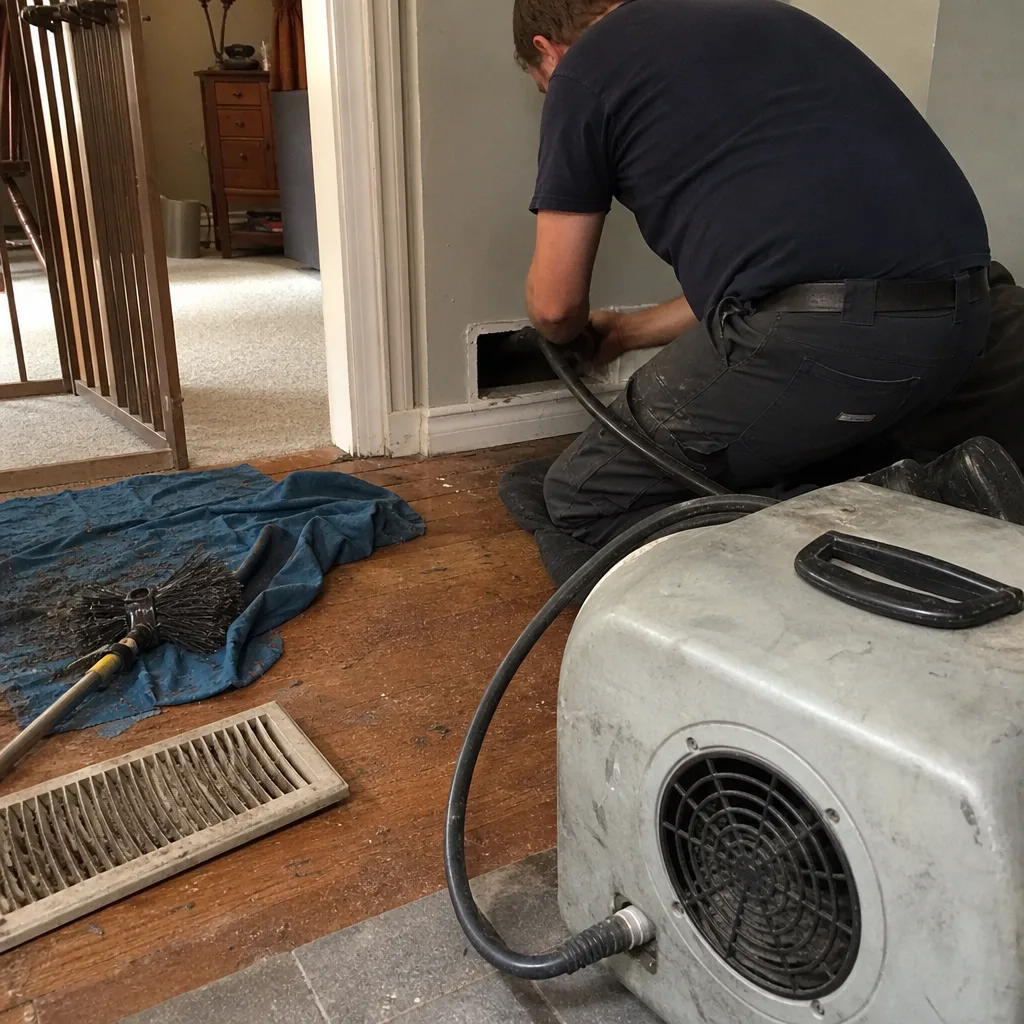
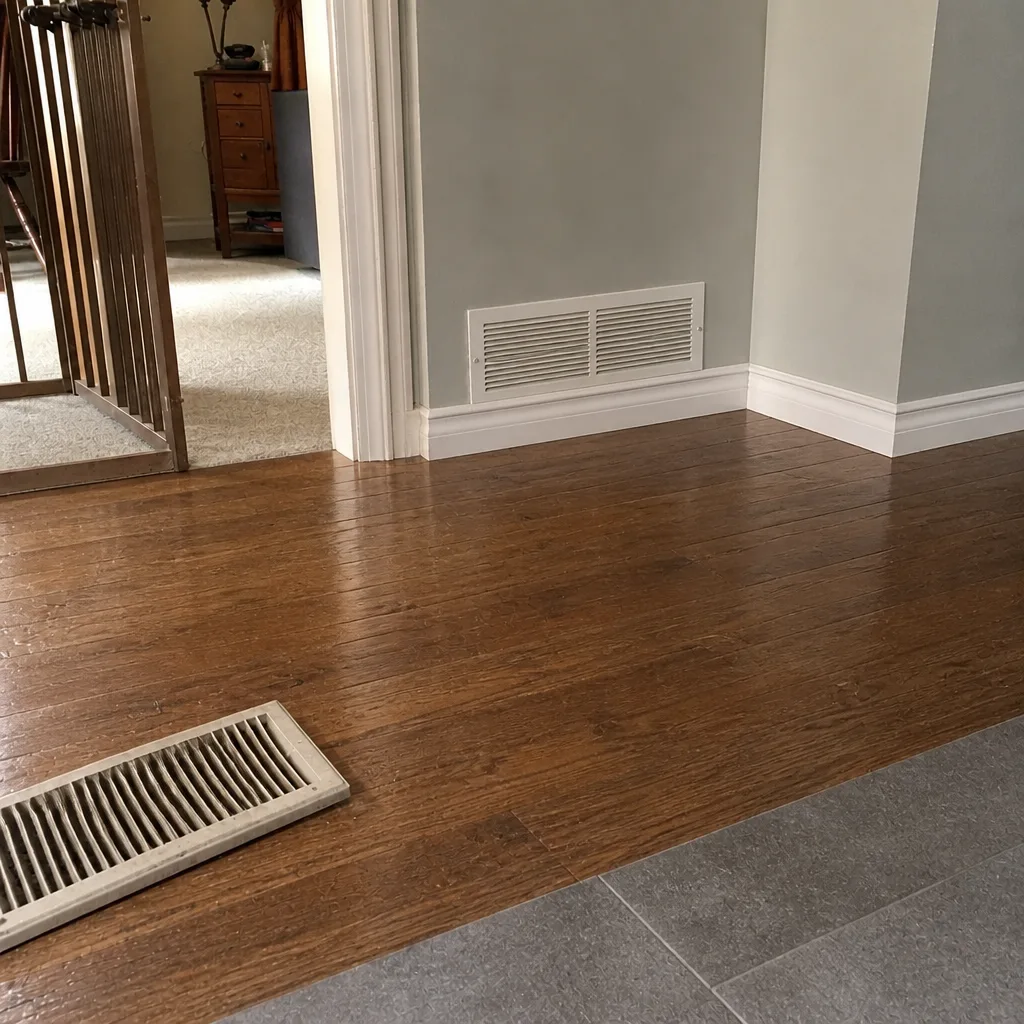
- Before-and-after photos of your own duct are shared with you before the technician leaves.
Every cleaning we do includes before-and-after photos of your actual duct, not stock images, and a CFM comparison where the equipment allows. If a company won’t show you what came out of your duct, ask why. That’s the single most useful question you can pose before hiring anyone for dryer vent cleaning.
The Anemometer Test, Explained
An anemometer is a handheld airflow meter. Placed at the dryer collar with the dryer running, it gives a real number. When we clean a Minneapolis vent, the reading afterward should be noticeably higher than before. If a technician tells you the vent is “clear” without ever taking a measurement, the only verification is a guess.
Basement Laundry Rooms and 90-Degree Turns
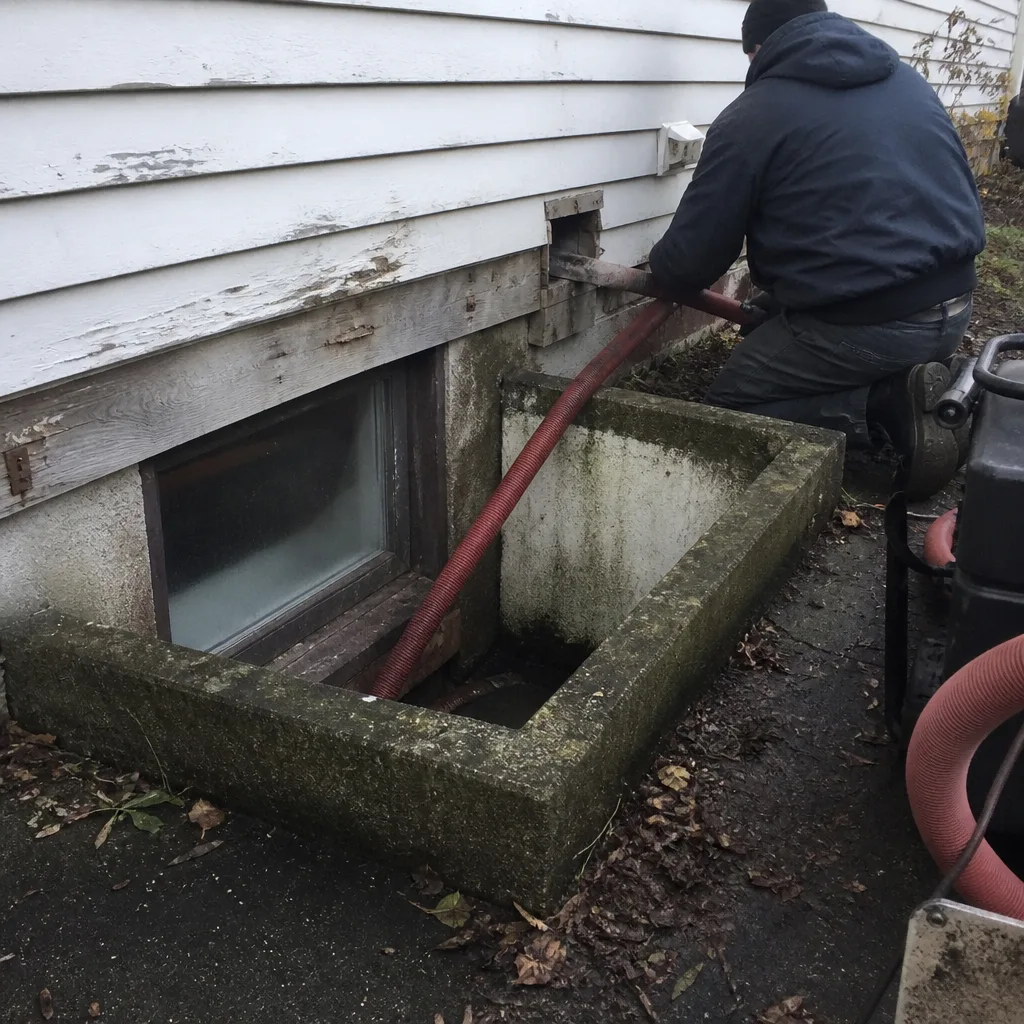
Many Minneapolis homes have the laundry pair in the basement, which introduces a specific routing problem. The duct typically leaves the dryer, turns upward, elbows once or twice, and exits at or above the rim joist. Every bend is a lint trap. Lint sticks at each 90-degree turn, and in a basement the run is often hidden behind finished walls, so the buildup happens where nothing can reach without professional equipment.
Tight 90-degree elbows cost the most airflow. A duct that runs 20 feet with three 90-degree elbows is effectively much longer than 20 feet, because each elbow resists air the way an extra length of straight duct would. In Minneapolis homes with basement laundry setups, this translates into slow dry cycles, and in the coldest weeks of the winter, condensation at the elbows mixes with the lint and packs it in solid.
What to Check in a Basement Setup
- Whether the vertical lift out of the dryer is short and steep, or long and gradual.
- Whether there’s a proper backdraft damper at the exterior termination.
- Whether any flexible duct runs behind finished walls (a common shortcut during remodels).
- Whether the transition duct behind the dryer is smooth metal rather than crinkled foil.
- Whether the duct runs under a floor or through a joist bay that traps cold air.
If you’ve been told your basement vent is “in the wall,” that’s your answer to why standard cleaning tools can’t reach it. Flexible rod systems are what make those runs accessible, and they’re what we use on every air duct cleaning job as well, since the same equipment handles both services.
How Often Should You Clean? A Minneapolis Schedule
There’s no universal number. What most manufacturers and safety guides suggest, and what we see matching real conditions in Minneapolis, is a cleaning every one to three years, moving toward the shorter end for larger households, longer ducts, and gas dryers. The climate-adjusted spacing below is a reasonable starting point, but a measured CFM reading at your next cleaning sets the real interval for your home.
Adjust for Household Load
A single person running one load a week generates a fraction of the lint that a family of four running ten loads a week puts through the same duct. Load volume is the single biggest driver of buildup speed. Homes with pets, heavy bedding loads, and frequent towel washing run toward the shorter end of the range.
Adjust for Duct Length and Layout
Shorter duct runs (under 15 feet, one elbow) hold their airflow longer. Long runs (over 20 feet, multiple elbows) need cleaning more often because there’s more surface area to accumulate lint and the airflow margin is thinner to start. Minneapolis homes built before 1980 are more likely to fall into this longer-run category, so the local rule of thumb often lands closer to once a year.
Adjust for Gas vs. Electric
Gas dryers exhaust more moisture and combustion byproducts into the duct than electric dryers do, which means more condensation, more clumping, and slightly faster buildup in cold Minneapolis months. Electric dryers run cleaner in that respect but still need the same lint management. If yours is gas, lean toward the shorter cleaning interval.
Adjust for Winter
In Minneapolis, add a quick exterior cap check during any prolonged cold snap, and schedule a full cleaning once frost season is over. Spring is a sensible time because any lint that clumped over the winter gets removed before summer’s heavy bedding and towel cycles.
Gas vs. Electric Dryers: The Difference That Matters
Both dryer types pose the same underlying fire risk from lint, but gas dryers add a second concern: the duct carries heat from combustion along with moisture and lint. That means the exhaust is hotter, wetter, and more likely to condense on cold duct walls in a Minneapolis home. The condensation feeds clumping, and clumped lint packed against a hot duct is the scenario engineers worry about.
If you have a gas dryer, two things matter more than usual. First, cleaning frequency should lean shorter. Second, a genuine professional inspection (not just cleaning) should confirm there’s no corrosion, no loose joints, and no signs of overheating on the transition duct. If a technician finds damage during cleaning, the fix belongs in the same visit, not in a referral to somebody else.
What Electric Users Should Know
Electric dryers produce the same lint volume as gas, they just don’t have combustion byproducts. The rule of thumb still applies: clean every one to three years, move toward yearly for long-duct Minneapolis homes, and verify airflow with a CFM reading so you know the cleaning actually worked.
A Step-by-Step Walkthrough of a Professional Vent Cleaning
Understanding what a proper cleaning involves makes it easier to spot a company that does it right. Here’s the sequence we follow on a Minneapolis dryer vent job, and what you should be able to expect from any reputable provider.
- Inspection and measurement. The technician measures total duct length, counts elbows, and identifies the exterior termination point before any cleaning starts.
- Baseline CFM reading. Airflow is measured at the dryer collar with the dryer running, giving a real number to compare against later.
- Containment setup. HEPA-rated containment is placed at the working openings so lint and dust don’t blow back into your laundry room. We set up Abatement Technologies equipment for this because proper containment is what separates a professional job from a shop-vac-and-hope effort.
- Transition duct removal and cleaning. The short duct behind the dryer is disconnected, inspected, and cleaned. Damaged transition duct should be replaced with rigid metal, not reattached with tape.
- Full-run cleaning. Flexible rods driven by a professional motor move through the entire duct length, with a brush head sized to the duct diameter. The technician works the rod from the laundry end toward the exterior cap and then back.
- Exterior cap inspection. With the flap visible, the technician checks the hinge, the damper, and the surrounding housing for frost damage, corrosion, or blockages from nesting pests.
- Post-cleaning CFM reading. A second anemometer test confirms the airflow improvement. The two numbers, before and after, tell you whether the cleaning actually cleared the path.
- Photos and handoff. Before-and-after photos of your duct, and a summary of what was found and removed.
Every step of that sequence assumes real equipment. That’s why on every Clover Air Duct Cleaning job, the rod systems are Rotobrush and Nikro rather than improvised tools. Clean ducts start with the right system. When we evaluate Clover Air Duct Cleaning against the trade in general, the question we ask is simple: what did the customer actually see come out of their duct?
Common Mistakes to Avoid
- Cleaning only the transition duct and calling it done. The short piece between the dryer and the wall is maybe 10% of the total run. If you or a company stop there, the lint beyond the wall stays put.
- Using a hardware-store brush kit on a long run. Standard kits top out around 12 feet. In a Minneapolis home with a 25-foot basement run, the brush physically cannot reach the far end, so the job isn’t actually finished.
- Assuming winter slowdown means a lint clog. In Minneapolis, a frozen or stuck exterior cap produces the same symptom. Check the cap before scheduling a cleaning, or ask the technician to inspect it as part of the visit.
- Relying on the dryer’s moisture sensor alone. A sensor that says “dry” doesn’t mean the vent is clear; it means the load finished. Only an airflow reading tells you the duct is open.
- Leaving flexible vinyl or crinkled foil transition duct in place. These materials trap lint in their ridges and are the first thing a professional replaces with smooth rigid metal.
- Skipping the exterior termination check. A screen or broken flap at the outside end can block airflow regardless of how clean the interior is.
- Never measuring CFM. A vent cleaned without a before-and-after airflow reading is a vent whose condition is unknown. The number is the proof.
When to Call a Professional
Call a professional when your dryer needs two cycles for a normal load, when the top of the dryer or the wall behind it feels unusually warm, when you notice a musty or burnt smell during drying, or when you can see lint packed at the exterior cap from the ground. In Minneapolis, call after any stretch of below-zero windchill where the dryer suddenly started underperforming, because the cap may have frozen shut. Call immediately if you notice a burning smell, or if you see smoke at the dryer, and stop using the dryer until it’s been inspected. Many household vent cleanings are worth doing as a routine task every couple of years regardless of symptoms, especially in long-duct homes. Clover Air Duct Cleaning offers free estimates in Minneapolis and you can reach us at (844) 320-5410. We answer 24/7, with fast dispatch from 7am to 7pm, Sunday through Friday.
See the difference
 Before
 After
 Before
 After
 Before
 After
Frequently Asked Questions
Every one to three years for most households, shortening to once a year for homes with long duct runs, larger families, or gas dryers. The exact interval depends on your home’s duct length and how heavily the dryer is used. In Minneapolis, add an exterior cap inspection after any deep cold snap, since frost can close the flap even when the interior of the duct is clean. Call (844) 320-5410 for an exact quote, and estimates are free.
Not necessarily. Cold Minneapolis weather can freeze the exterior cap shut, which mimics a lint clog from the inside. The dryer’s performance drops because it can’t exhaust air, not because the interior of the duct filled with lint. Before scheduling a cleaning, check the exterior cap from the ground, or have a technician inspect the cap during a visit. Call (844) 320-5410 to book a free estimate and we’ll identify the actual cause.
You can reach the first 10 to 12 feet of duct with a basic kit, but in older Minneapolis homes where the laundry is in the basement and the run is 20 to 30 feet with multiple elbows, a standard kit cannot reach the far end. The far end is exactly where the compaction and the fire risk live. Professional flexible rod systems, like the Rotobrush and Nikro gear we use, are built for the length and bends these homes actually have. Call (844) 320-5410 for a quote sized to your duct.
A CFM reading, taken with an anemometer at the dryer collar before and after cleaning, is the answer. The number should go up noticeably, and the technician should share before and after photos of your own duct. If a company won’t show you what came out of your duct or won’t measure airflow, that’s your cue to look elsewhere. Call (844) 320-5410 and we’ll bring the meters and the camera on the estimate.
Cheap quotes usually clean only the transition duct (the short link between the dryer and the wall) and skip the full run through the wall. The technician is inside the home for a few minutes, the client sees a puff of lint come out, and the job feels finished. But the lint deposits that create fire risk are usually deeper in the run. Real duct cleaning with professional equipment costs more because it takes longer and reaches the whole path. Call (844) 320-5410 and we’ll quote the whole system, not a per-foot teaser.
The fire risk is similar between gas and electric, but gas dryers exhaust hotter, wetter air into the duct, which makes condensation-driven clumping more likely in Minneapolis’s cold months. That means gas dryers in this climate should sit at the shorter end of the recommended cleaning interval. Whatever type of dryer you have, the fire risk comes from lint packed against heat, and the fix is the same: clear the full run and verify airflow afterward. Call (844) 320-5410 to book a free estimate.
Pricing in the Minneapolis market typically falls in a middle range, reflecting the longer duct runs and basement layouts common here, and it’s priced per system rather than per foot or per vent. A written estimate sets the final price before work starts, so there’s no surprise invoice once the technician is inside the home. Call (844) 320-5410 for an exact quote.
We clean it, we fix it, and we clear it. If the inspection finds damaged transition duct, loose joints, or a failed exterior cap during the cleaning visit, air duct repair is handled in the same job rather than referred out. That’s one reason we carry the full range of Rotobrush, Nikro, and Abatement Technologies equipment on every service call, and why our service area across Minneapolis covers both cleaning and repair under one visit.
The Bottom Line
Dryer vent maintenance in Minneapolis isn’t a generic checklist. The combination of long duct runs in pre-1980 homes, basement laundry rooms with tight elbows, and condensation-driven lint clumping during the winter means the standard “clean every couple of years” advice needs adjusting upward for many local homes. Frost-sealed exterior caps mimic lint clogs and can’t be diagnosed from inside the laundry room. Verify airflow with a CFM reading. Confirm the exterior cap during the cold season. Match the cleaning interval to your household’s load and duct length. And ask any company you hire to show before-and-after photos of your own duct. If they can’t do that, look for one that can.
Key Takeaways
- Minneapolis winters cause frost-sealed exterior caps that look identical to lint clogs from inside.
- Ducts longer than 20 feet need flexible professional rod systems, not brush kits.
- Basement laundry rooms with 90-degree elbows are the most common trap for lint in older Minneapolis homes.
- CFM readings before and after cleaning are the only reliable proof the vent is clear.
- Gas dryers in this climate should lean toward annual cleaning; electric every one to three years depending on the household.
- Air duct repair belongs in the same visit as cleaning when damage is found.
- Ask for before-and-after photos of your own duct on every job.
Still Not Sure Your Vent Is Clear?
Call Clover Air Duct Cleaning at (844) 320-5410 for a free estimate. We answer 24/7, with fast dispatch from 7am to 7pm, Sunday through Friday. The written estimate sets the final price before any work begins, our technicians have up to 14 years of experience, and every visit includes before-and-after photos of your own duct. If your Minneapolis dryer vent hasn’t been checked since the last cold snap, that’s the moment to find out what’s actually in there.
Written by the team at Clover Air Duct Cleaning.