
Last updated November 16, 2026
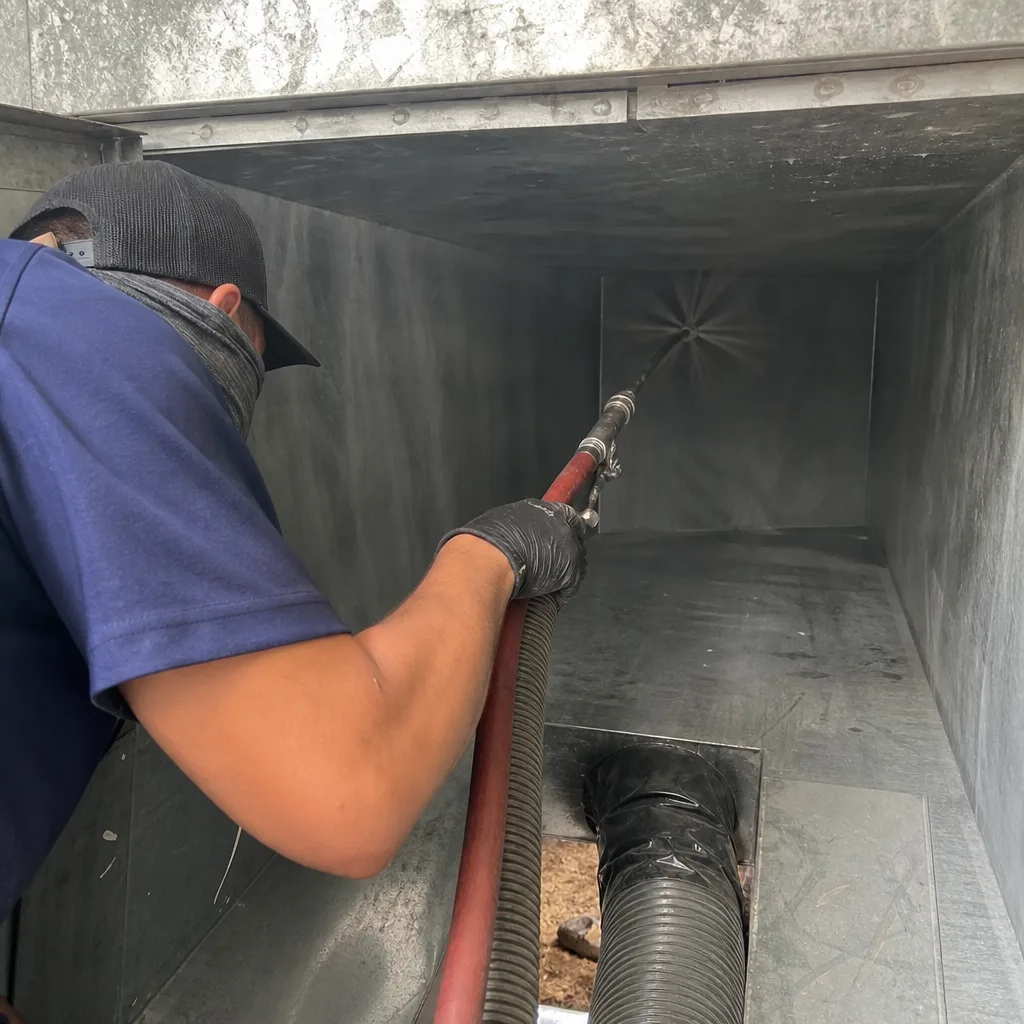
 Whole-home duct cleaning
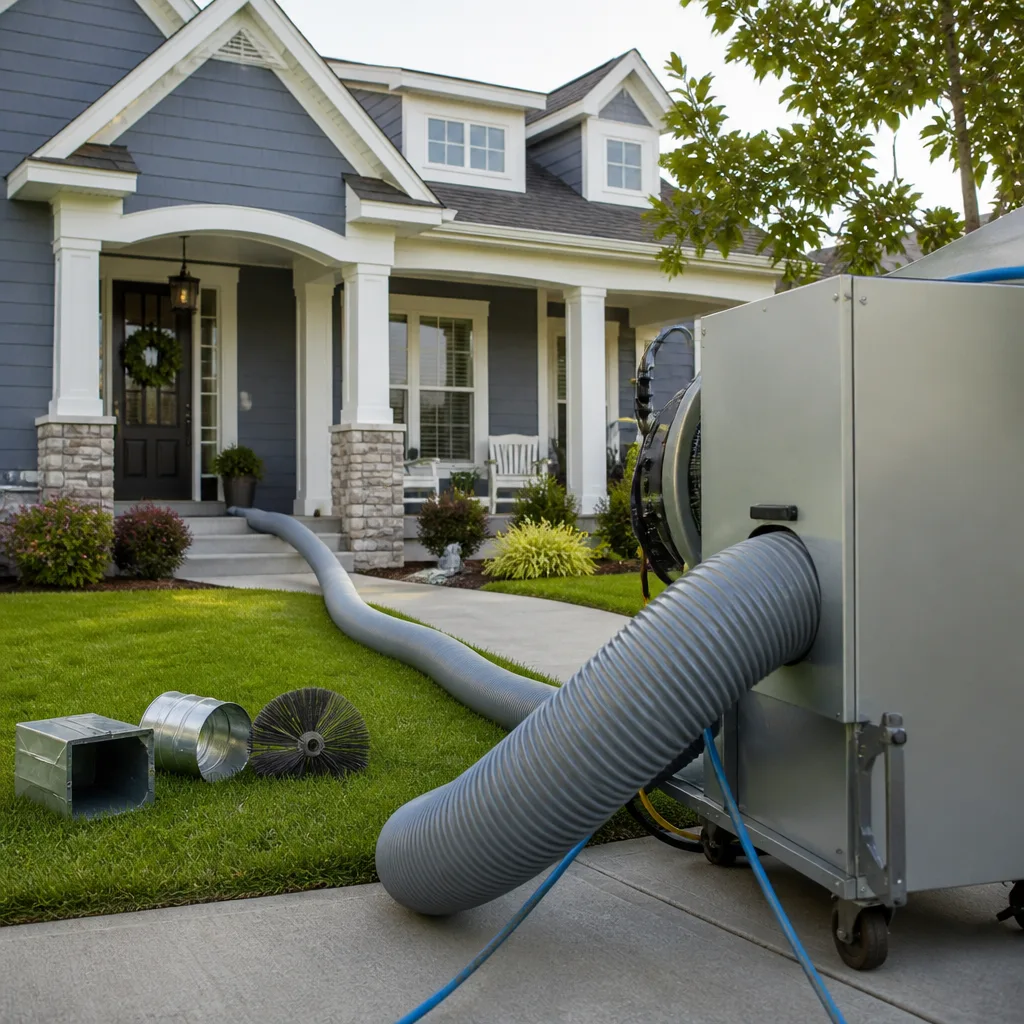
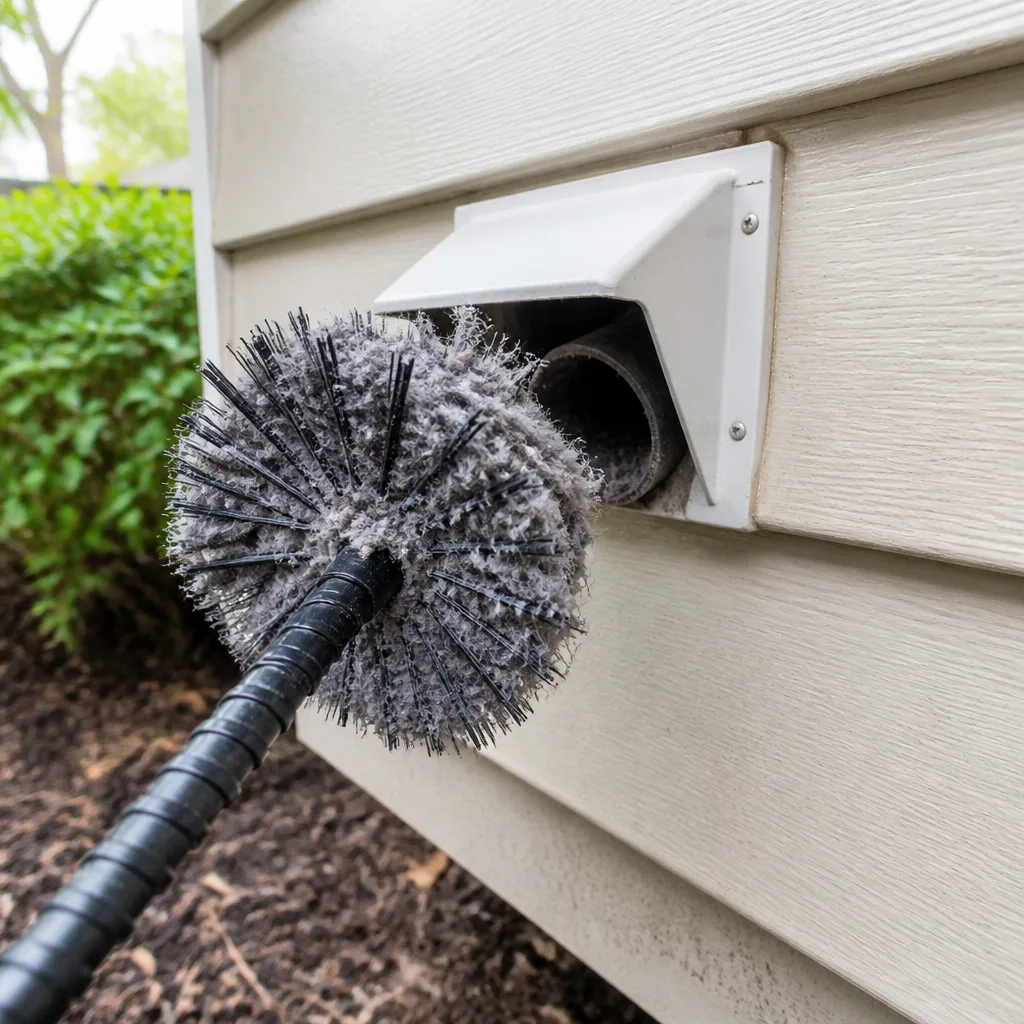 Dryer vent cleaning
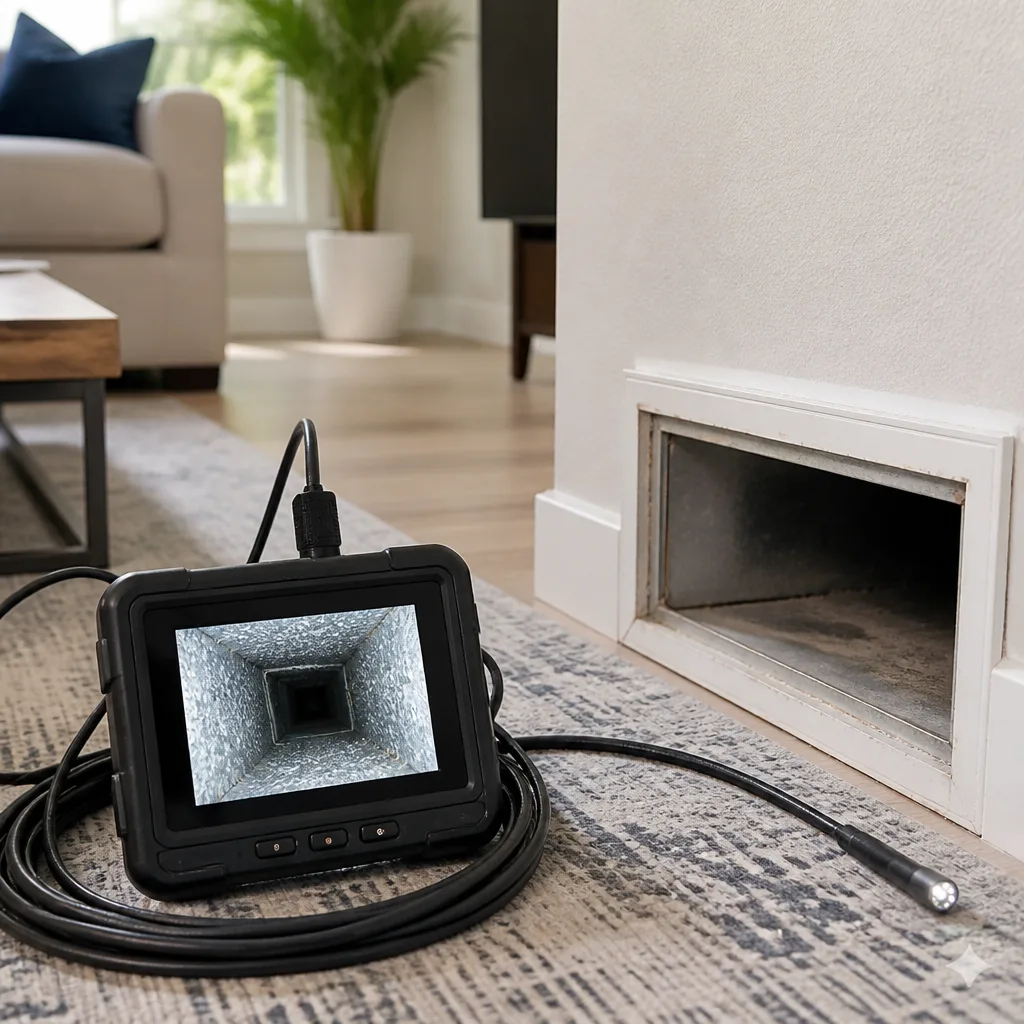 Camera inspection
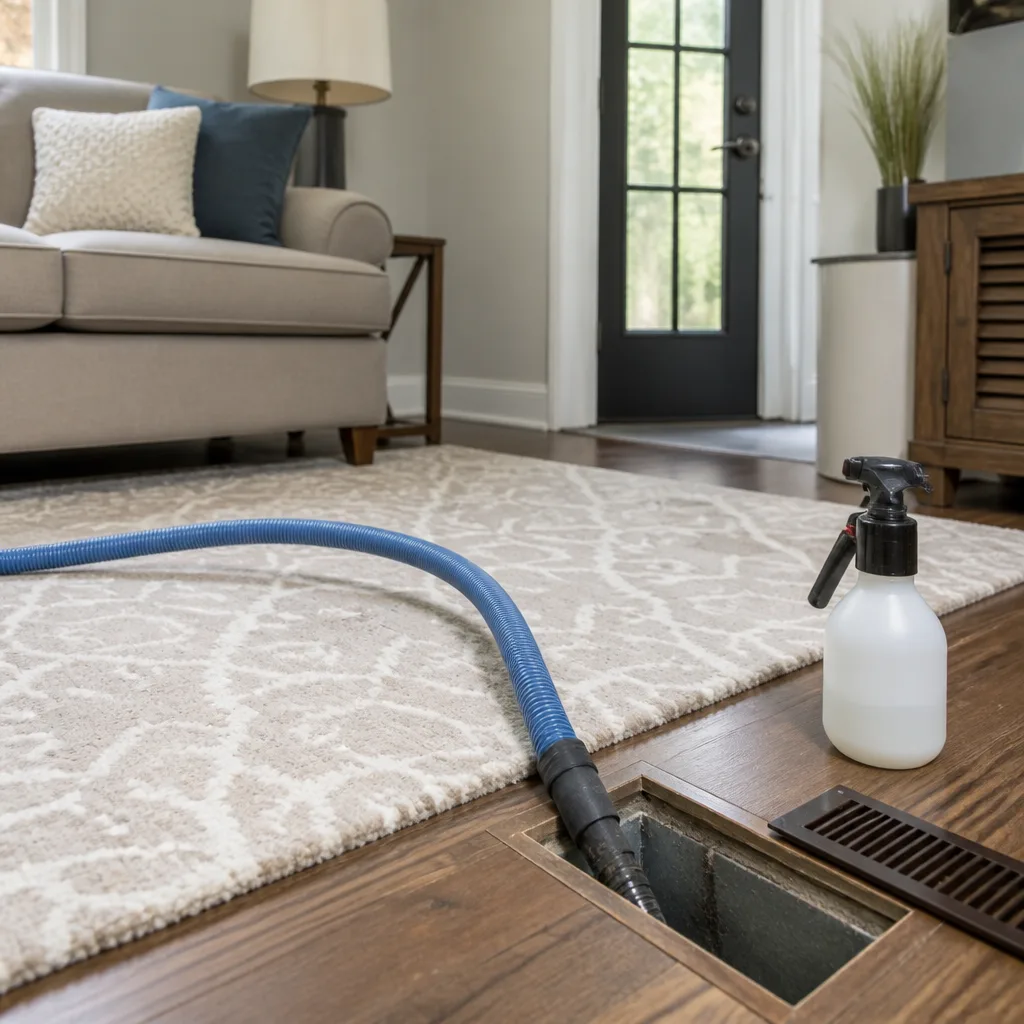 Sanitizing & deodorizing
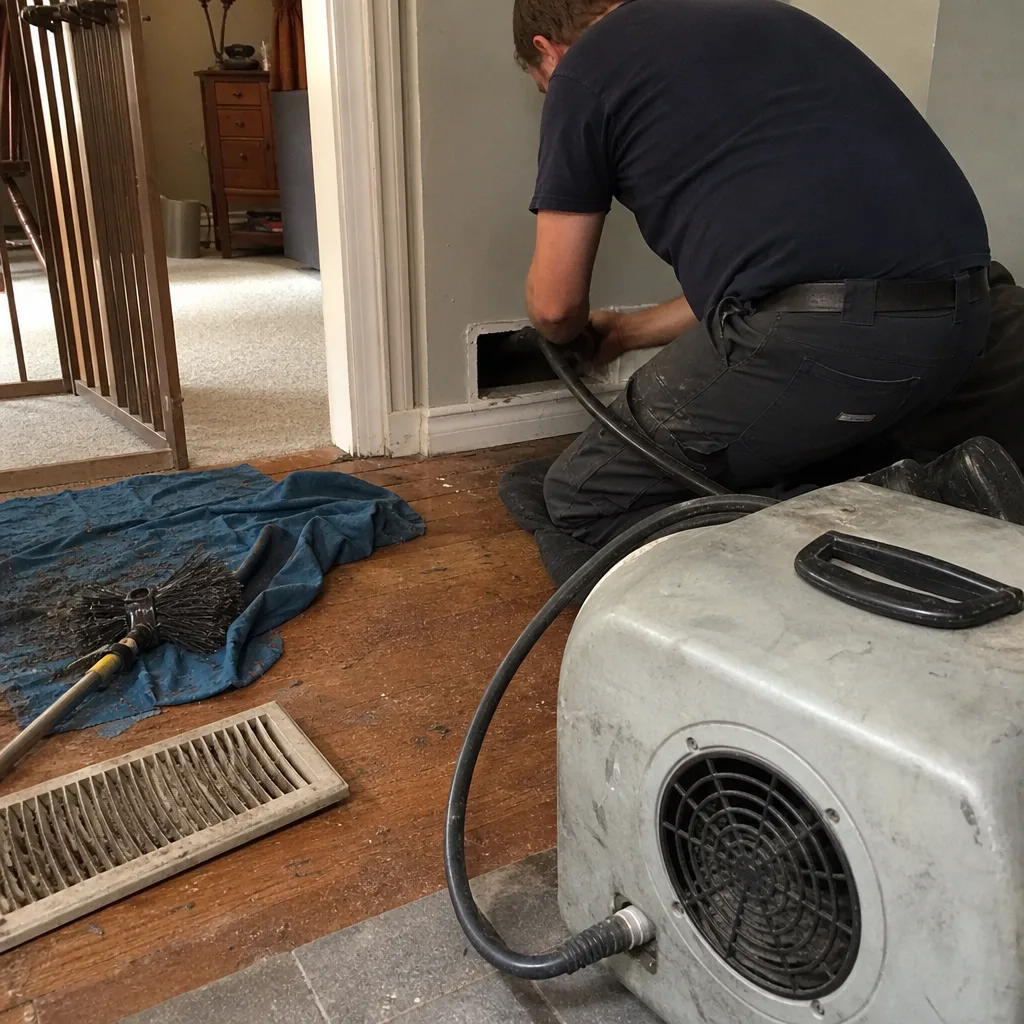
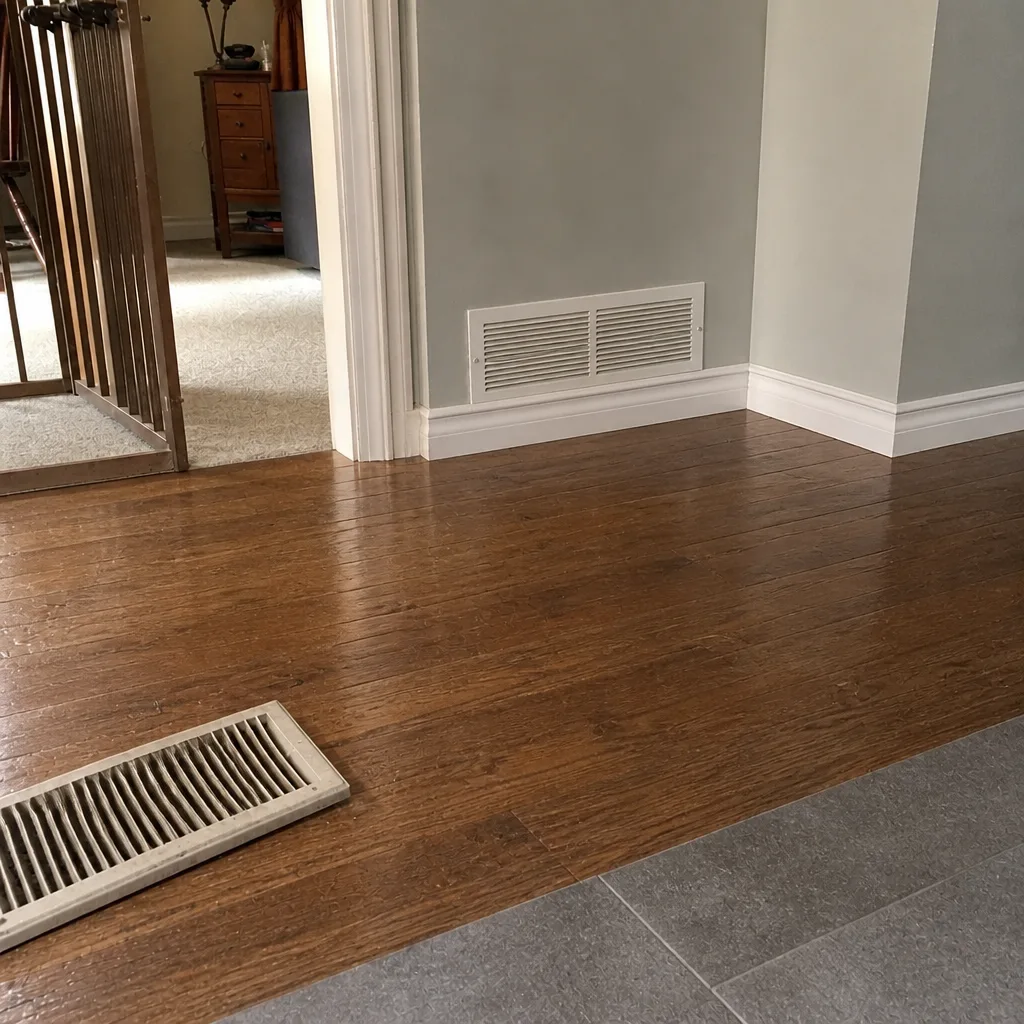
Whole-system duct and dryer vent check with before-and-after photos - you see exactly what came out of your vents
That "$99 whole-house special" is a bait ad - the real number appears once they are in your hallway, or the "clean" is a shop-vac at the register. We photograph the inside of your ducts before and after instead.
Air Duct Cleaning Warning Signs: A Minneapolis Homeowner’s Reference Guide
Dust on the registers is what most homeowners notice first, and it’s usually the last useful sign to show up. By the time dust is visibly collecting on the grilles, restriction inside the duct system has often been affecting static pressure, filter loading rate, and furnace runtime for weeks or months. The HVAC system has been telling you the whole time, just quietly. In this guide we’ll walk through the warning signs that actually predict a duct problem in a Minneapolis home, separate duct restriction from a dirty coil, map the odors you smell at the register to their likely source, and give you a triage framework for deciding what needs inspection now and what can sit on a watchlist. Mechanical indicators first. Visible mess last.
Quick Answer
In Minneapolis, the most reliable air duct cleaning warning signs are mechanical rather than visual: uneven room temperatures across the house, filters that clog faster than they used to, and a furnace that short-cycles in winter. Visible dust at the registers, musty odors, and increased allergy symptoms usually appear after duct restriction has already been affecting system performance for weeks. If you’re seeing two or more mechanical signs at once, an inspection is worth scheduling. Call (844) 320-5410 for a free estimate.
Styles & brands we work with
- Whole-home duct cleaning
- Dryer vent cleaning
- Camera inspection
- Sanitizing & deodorizing
Table of Contents
- The Mechanical Warning Signs Most Guides Skip
- What Static Pressure Tells You Before Dust Does
- Filter Loading Rate: The Best Diagnostic You Already Own
- Minneapolis-Specific Triggers: Renovation, Flood, Rodent
- Dirty Ducts vs. Dirty Coil: How to Tell the Difference
- What That Smell at the Register Actually Means
- Triage: When to Inspect Now vs. Watch and Wait
- Why Equipment Standards Matter More Than Price
The Mechanical Warning Signs Most Guides Skip
Most duct cleaning articles lead with visible dust, which is the least diagnostic sign in the list. The signs the HVAC system produces on its own, through airflow and cycling behavior, are earlier and more reliable. When ductwork carries a restriction, static pressure rises, airflow drops, and the furnace has to work longer to move the same amount of heated air through the house. Three symptoms fall out of that directly, and a Minneapolis homeowner can track all three without any tools.
- Uneven room temperatures. If a bedroom above the garage or the far end of the house has always run colder than the rest, that’s a design issue. If it has grown noticeably colder over the last year or two, the duct serving that room may be leaking or restricted. Pay attention to rooms that used to keep up and no longer do.
- Filters that clog faster. A filter that used to run the full change interval and now looks grey within a few weeks is telling you that more particulate is reaching it. That can mean return-side dust loading, but it can also mean bypass around the filter frame due to duct separation or poor return design.
- Short-cycling in winter. A furnace that reaches temperature quickly and shuts off, then re-fires a few minutes later, is often fighting a supply-air restriction. The heat exchanger warms faster than the blower can move the air away, the high-limit switch trips, and the cycle repeats. This one warrants attention from an HVAC technician as well as a duct inspection, because short-cycling is hard on the equipment.
None of these three signs proves the ducts are dirty. All three point at the same underlying variable, which is airflow. That’s why we open an inspection with a pressure check rather than a look at the registers. In a Minneapolis home with a basement furnace and long trunk runs to the second floor, restriction accumulates quietly in the branches least visible from the mechanical room. The registers tell you the least about it.
What Static Pressure Tells You Before Dust Does
Air moving through a duct system behaves like water through a pipe. Add resistance, and the system has to push harder to deliver the same volume. In HVAC terms, that resistance is measured as static pressure, and it’s the single most useful number for judging duct condition. A trained technician checks it at the furnace with a manometer, comparing the supply and return sides against the blower’s rated capacity. If the number is high on the supply side, the duct is restricted. If it’s high on the return side, the return is undersized or blocked. If both are high, you may have a filter or coil problem on top of everything else.
The reason static pressure matters for homeowners is that it’s measurable before dust becomes visible and before comfort complaints become obvious. It also tells you whether cleaning will fix the problem or whether you’re looking at a duct repair job instead. Debris sitting in a run is one thing. A duct that has collapsed, separated at a joint, or been crushed by stored lumber in a basement is a different problem entirely, and no amount of cleaning will restore airflow through a duct that no longer has its shape. We check the shape and integrity of the runs as part of any inspection, because cleaning a compromised duct just moves debris to a slightly different place.
This is where air duct cleaning and duct repair separate from each other as services. Cleaning is the right answer for accumulated debris, dust, and biological growth inside a functioning duct. Repair is the right answer when the duct itself has failed. Most honest inspections will tell you which one you’re dealing with, and a good one will tell you the number. Static pressure before and after cleaning is one of the few objective proofs that a job did what it was supposed to.
Filter Loading Rate: The Best Diagnostic You Already Own
Your furnace filter is a free diagnostic instrument. It loads at a rate that reflects everything upstream of it: return duct condition, filter frame sealing, house pressure balance, and how much particulate is walking into the return grilles. If you’ve lived in your home for a while, you already have a baseline in your head, even if you’ve never written it down. The key is noticing when that baseline shifts.
- Note your current change interval. If you change a 1-inch filter every 60 days, write the date on the edge with a marker each time you swap it.
- Watch for a shortening interval. If the filter starts going grey at 30 days when it used to run 60, you have a change worth investigating.
- Check the filter frame for bypass. Pull the filter and look at the frame. Dust trails along the edges mean air is going around the filter rather than through it. That particulate is depositing on the blower wheel and the evaporator coil instead.
- Compare filter loading across seasons. A steep increase in loading that coincides with interior renovation, a basement project, or new carpet installation is usually dust-source related rather than duct failure.
- Note the filter brand for consistency. A higher-MERV filter will load faster than a basic one, so keep the comparison apples to apples.
One caution: don’t chase filter loading by installing the highest-MERV filter available. Many residential blowers in Minneapolis homes were not sized for dense media, and a filter that loads fast because it’s dense will also raise static pressure and stress the blower. Match the filter to the system’s rated capacity. Your HVAC technician can tell you the right rating, and we can tell you whether the ductwork behind the filter is contributing to the problem.
Minneapolis-Specific Triggers: Renovation, Flood, Rodent
Some duct problems in Minneapolis come from the system itself. Others are imported. Three local triggers recur often enough that we treat them as their own warning-sign category: renovation dust, basement water, and rodent activity in crawl spaces and rim joists. Each leaves a different fingerprint in a duct system, and each needs a different response.
After renovation work
Drywall dust is the most common duct contaminant we see in Minneapolis homes because the city’s housing stock gets renovated constantly. Cutting, sanding, and joint compound work generates fine particulate that travels through the air and settles into return grilles. The returns in the room being worked on take the brunt of it. Drywall dust is also mildly alkaline, which means it can dry out seals and gaskets over time, and once it’s coated the inside of a supply run, it becomes a reservoir for future dust. If your renovation wrapped up in the last six months and your filter loading rate jumped, the ducts are worth a look.
After basement water
Basement moisture is a distinct Minneapolis problem because so many homes have below-grade mechanical rooms and finished lower levels. When a basement takes on water, the furnace and air handler sit in a damp environment, and the return ducts pull humid air across the blower and coil. If moisture persists, mold can colonize the duct interior, particularly the fiberglass duct board and the insulated liner on flex duct. The sign to watch is a return-side musty odor that shows up when the system starts and fades after a few minutes. That pattern is characteristic of microbial growth in the return path, and it needs inspection rather than a filter change.
After rodent activity
Mice and squirrels move through rim joists, crawl spaces, and the chases where ducts run. When they get into a duct system, they leave droppings, urine, nesting material, and hair, and they sometimes chew through flex duct or displace insulation. The warning sign is usually an odor rather than a sight: a sharp, ammonia-tinged smell at a register in a room nobody uses much. If you know you’ve had rodent activity in the crawl space, treat the ducts as suspect until inspected. This is one of the conditions where we bring in HEPA containment equipment from Abatement Technologies before we start, because you don’t want to aerosolize that material through the house.
Any of these three triggers means an inspection is worth scheduling even if the system seems to be running normally. The damage a compromised duct or a contaminated return path does is cumulative, and the longer it runs, the more of the system has to be addressed afterward. If you’re also noticing condensation or air quality concerns in a finished Minneapolis basement, that’s a sign to look at the whole lower-level ducting, not just the trunk.
Dirty Ducts vs. Dirty Coil: How to Tell the Difference
Dirty ducts and a dirty evaporator coil produce overlapping symptoms, and homeowners often pay for one when they needed the other. Both can cause reduced airflow, uneven temperatures, higher energy use, and musty odors. The distinguishing factor is where the airflow restriction sits in the system and what a technician sees when they open the right access panel. Getting this right saves you from paying for a duct cleaning that doesn’t solve the problem, or from replacing a coil that was fine.
- Dirty ducts: Symptoms tend to be room-by-room. One side of the house runs hot in summer, or a specific register underperforms. Odor may be localized. Static pressure is elevated on the supply or return but often not both. Filter loading rate increases gradually over weeks.
- Dirty coil: Symptoms tend to be house-wide. The whole system underperforms at once. Supply air may be cool but weak, and the coil may ice up on a humid day. Static pressure is elevated across the board. Filter loading may be normal, since the coil catches what the filter misses.
- Both: Common in older Minneapolis homes where a neglected coil has been pulling dirty air for a long time. In this case, cleaning the ducts first and the coil second is usually the right order, because a clean coil recontaminates quickly if the ductwork feeding it is still dirty.
The practical takeaway: if the complaint is a specific room, suspect the ducts. If the complaint is “the whole house isn’t keeping up,” suspect the coil or the refrigerant charge. If you’re not sure, ask for both to be checked before you authorize work. A coil cleaning is an HVAC technician’s job and a duct cleaning is a duct specialist’s job, and the two services are not interchangeable. We stay on the duct side of that line, and we’ll tell you when the coil is the more likely culprit.
What That Smell at the Register Actually Means
Odors are the most useful diagnostic a homeowner can report, and the least useful when described only as “musty.” Different smells point to different problems, and each has a typical source in a Minneapolis home. Match the smell before you schedule anything.
- Musty, wet-basement smell that appears when the system starts and fades after a few minutes: most often microbial growth in the return duct or on the evaporator coil, especially after a basement water event or a wet summer. Common in Minneapolis homes with a below-grade return trunk.
- Sharp, chemical smell near a supply register: often a sign of off-gassing from new building materials, adhesives, or duct sealant that hasn’t fully cured. Usually fades on its own within a few weeks of installation. If it persists past that, the source is worth tracking down.
- Burning or hot-dust smell on first startup in fall: usually dust burning off the heat exchanger, which is normal for the first cycle or two after a long idle period. If it continues beyond the first few minutes of the season, get the furnace checked by an HVAC technician before you run it further.
- Ammonia-tinged or animal smell: strongly suggests rodent activity in the duct or the chase serving it. Needs an inspection with proper containment, not a filter change.
- Sweet or fruity smell near the furnace: not a duct-cleaning issue. This is worth an HVAC technician’s attention immediately, because it can indicate a refrigerant or combustion problem.
In our experience, homeowners describe all five of these as “musty” when they call. Being specific helps a technician route the job correctly and saves a return visit. If you’re not sure which category yours falls into, watch the timing: an odor that appears at startup and fades is usually in the return path, and an odor that’s present constantly is usually in the supply path or the room itself.
Dryer vent odors are a separate category and often confused with duct odor because they happen at the laundry. A dryer that takes longer than it used to, or a laundry room that smells hot and humid during a cycle, points at lint accumulation in the vent run. That’s why we treat dryer vent cleaning as a fire-safety service rather than a comfort service. Lint buildup in a vent is a leading cause of residential dryer fires, and the warning signs (longer dry times, heat, smell) are easy to miss because they build up slowly.
Triage: When to Inspect Now vs. Watch and Wait
Not every warning sign is a same-week problem. Sorting them into three buckets keeps you from over-calling on minor signals and under-calling on real ones. Use the framework below, and remember that a home with an infant, an elderly resident, or someone with a respiratory condition deserves a lower threshold for inspection than an empty rental unit.
Inspect now
- Odor that appeared after a basement flood, a sewer backup, or known rodent activity in the crawl space
- Short-cycling furnace that persists beyond the first cold snap of the season
- Static pressure concerns flagged by an HVAC technician during a service call
- Visible mold at a register or on the duct interior that you can see with a flashlight
- A resident with asthma or allergies whose symptoms have worsened since a renovation or water event
Watchlist
- Filter loading rate that has shortened but is still predictable
- One room that runs warmer or cooler than the rest, with no other symptoms
- Dust on registers visible but nothing else wrong
- Mild musty odor in the basement only, not at any supply register
- Dryer taking slightly longer than it used to, but not yet a concern
Not a duct issue
- Smells that match a specific appliance or material in the room
- Short-cycling that resolves after a filter change
- Uneven temperatures in a room that has always run that way (a design issue, not a duct failure)
- Single-register dust that reappears within days (often a nearby construction site or a loose return grille)
Two or more watchlist signs stacking up within a season is the trigger to schedule an inspection. One watchlist sign in isolation usually isn’t. The key is to notice the pattern rather than react to any single symptom. A duct inspection doesn’t cost anything to schedule through us, and knowing whether the system needs cleaning, repair, or nothing at all is worth the phone call.
Why Equipment Standards Matter More Than Price
Duct cleaning has a low barrier to entry, and the market in Minneapolis reflects that. A shop vac, a brush, and a business card will technically let somebody clean a duct, and some operators work that way. The difference between that approach and a proper job comes down to three things: the equipment used to agitate and extract debris, the equipment used to contain what gets stirred up, and whether the technician can actually fix what they find.
We run Rotobrush and Nikro systems on every job, because they’re purpose-built for the inside of a duct rather than adapted from consumer tools. We bring Abatement Technologies containment equipment so the dust we agitate is captured rather than redistributed through the house. And we work with Honeywell and Aprilaire products, which matters if the inspection turns up a filtration or humidity issue rather than a clean-and-go job. Those brand names are not marketing decoration. They’re what determines whether the job is done or whether it’s been gestured at.
The three services we offer cover the outcomes an inspection usually points at. Air duct cleaning handles accumulated debris and biological growth. Air duct repair addresses compromised runs, separated joints, and crushed branches. Dryer vent cleaning handles the fire-safety side of the same household. You can read more about how we work and what we cover at Clover Air Duct Cleaning, and if you’re in the greater metro area, our Minneapolis page covers the neighborhoods and typical home types we see most.
Common Mistakes to Avoid
- Waiting for visible dust before calling. Visible dust at a register means the system has been carrying it for a while. By that point, mechanical indicators were likely already present, and the job is more involved than it would have been earlier.
- Assuming a low quote means the same job at a lower price. A quote that comes in far below anything else usually reflects equipment and containment differences, not efficiency. Ask what machine they use and whether they bring HEPA containment before you compare on price.
- Cleaning ducts when the coil is the real problem. If the whole house underperforms, get the coil checked first. Cleaning clean ducts doesn’t fix a coil restriction, and you’ll be back at the same problem in a few months.
- Ignoring a dryer vent that’s “just slow.” Extended dry times and heat at the back of the dryer are the warning signs for lint accumulation, and lint buildup is a leading cause of residential dryer fires. It’s a safety inspection, not a comfort upgrade.
- Skipping an inspection after a basement water event. A musty odor at the return register after a flood is not something to live with. Mold in a return path travels to every supply register in the house.
- Chasing filter MERV instead of matching blower capacity. A denser filter loads faster and stresses the blower. Match the filter to the system’s rated capacity and revisit duct condition if loading still accelerates.
- Treating renovation dust as a schedule nuisance rather than a duct event. Drywall dust coats supply runs and loads return grilles. A post-renovation inspection is worth scheduling if the work generated meaningful dust, especially in an older Minneapolis home with long runs.
See the difference
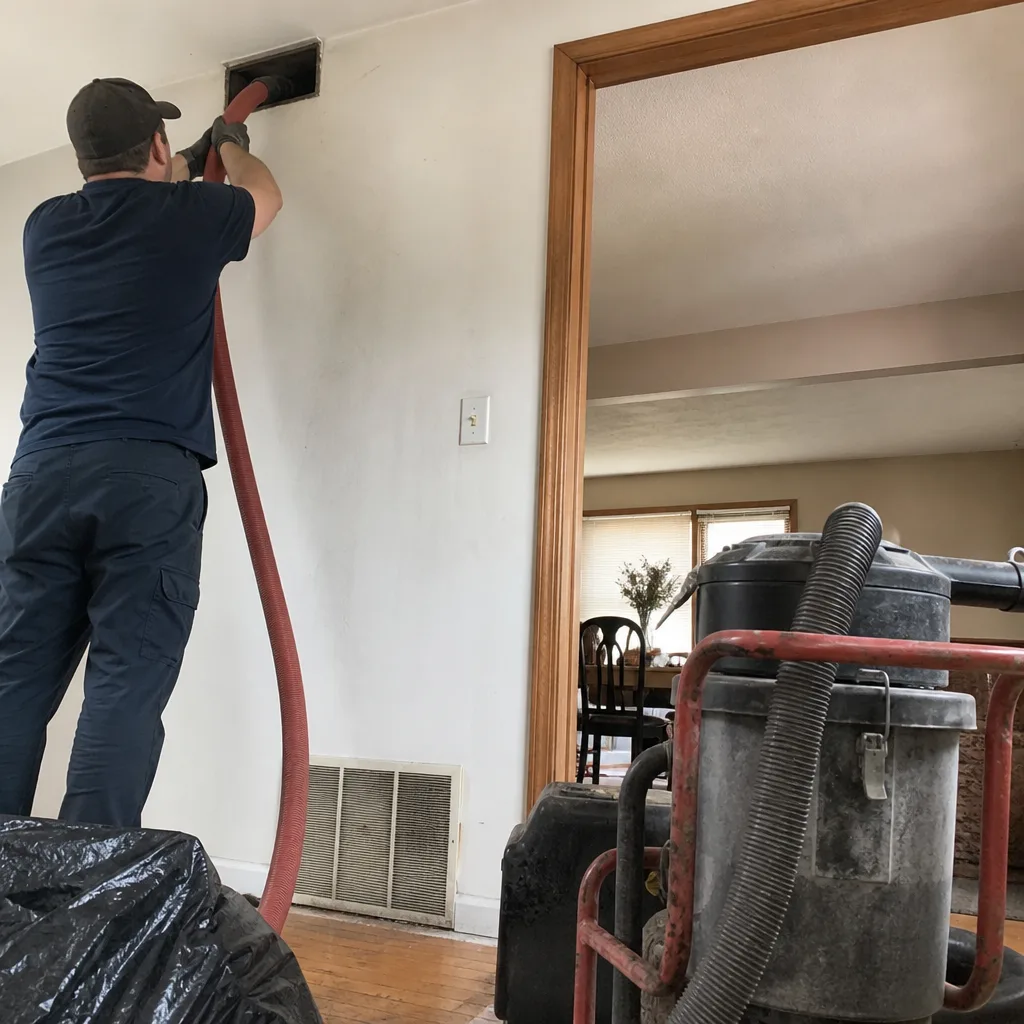 Before
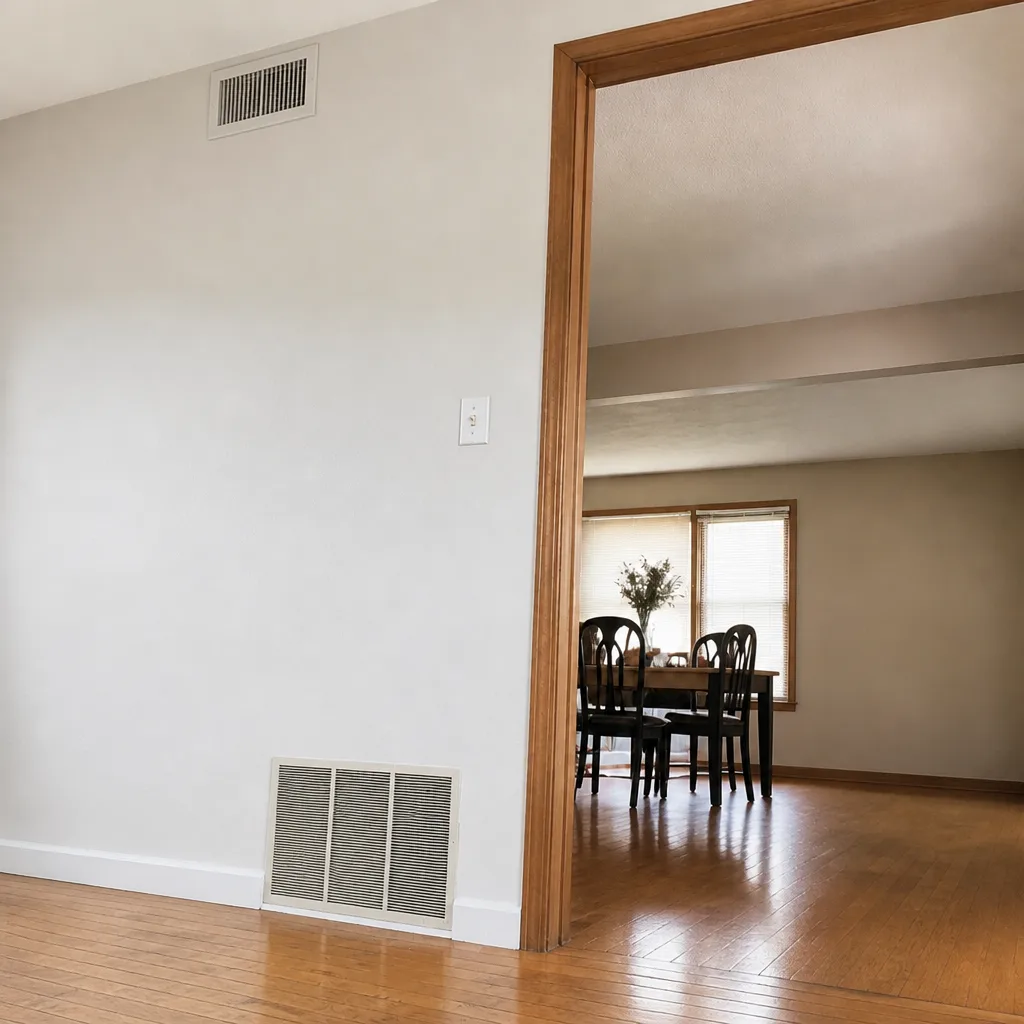 After
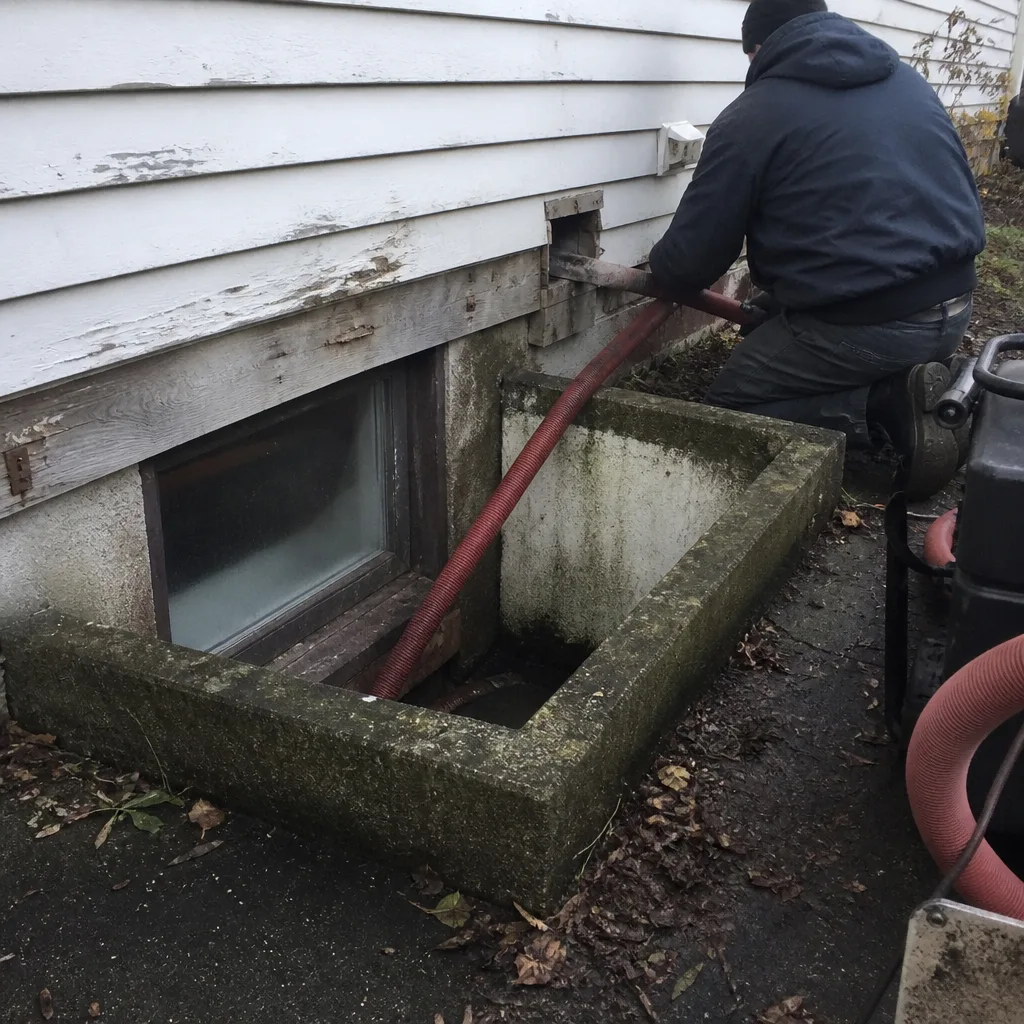 Before
 After
 Before
 After
When to Call a Professional
Call a professional when two or more warning signs stack up within one season, when a specific event (flood, renovation, rodent activity) has happened since the last inspection, when an odor is present at a register rather than only in the basement, or when the furnace short-cycles and a filter change hasn’t resolved it. Also call when a resident with a respiratory condition lives in the home and symptoms have worsened without an obvious cause. Those are the cases where an inspection tells you more than another filter change will. Clover Air Duct Cleaning offers free estimates in Minneapolis. Call (844) 320-5410. We answer 24/7. Fast dispatch from 7am to 7pm, Sunday through Friday. Our technicians have up to 14 years of experience and carry professional-grade equipment on every job.
Frequently Asked Questions
The earliest signs are mechanical rather than visible: uneven room temperatures that have gotten worse, filters that clog faster than usual, and short-cycling furnace behavior in winter. These usually show up before any dust collects on the registers. Call (844) 320-5410 for an exact quote – estimates are free.
No. A musty smell at the register means moisture or microbial growth is somewhere in the airflow path, which could be the duct, the evaporator coil, or a condensate pan issue. An inspection tells you which. Call (844) 320-5410 for an exact quote – estimates are free.
Most homes don’t need it on a fixed calendar. Trigger-based cleaning – after a flood, after major renovation, after rodent activity, or when mechanical signs stack up – usually makes more sense than a rigid interval. Homes with pets, allergy sufferers, or high dust generation may go shorter between cleanings. Call (844) 320-5410 for an exact quote – estimates are free.
Restricted airflow from dirty or damaged ducts can contribute to short-cycling by causing the high-limit switch to trip, but an undersized furnace, a failing blower, or a dirty coil can do the same thing. You need an inspection to separate the causes. Call (844) 320-5410 for an exact quote – estimates are free.
Longer dry times and a hot laundry room are the classic signs of lint accumulation in the dryer vent. That’s a fire-safety concern, not just a convenience issue, and it’s worth inspecting even if the dryer is functioning. Call (844) 320-5410 for an exact quote – estimates are free.
A musty odor at the return register after a water event usually indicates microbial growth in the return path that is being drawn into the supply side and distributed through the house. That warrants inspection with proper containment rather than a filter change. Call (844) 320-5410 for an exact quote – estimates are free.
The Bottom Line
The most useful warning signs in a Minneapolis home are the ones the HVAC system produces on its own, before dust shows up at a register. Track your filter loading rate, note rooms that have stopped keeping up, and pay attention to furnace short-cycling in winter. Treat flood, renovation, and rodent events as inspection triggers regardless of symptoms. When a musty smell shows up at a register, get an inspection with proper containment rather than a filter swap. Two or more mechanical signs stacking in a season is enough to schedule, and a free estimate tells you whether the answer is cleaning, repair, or nothing at all.
Contact
If you’ve read this guide and recognized your home in it, the next step is measurement, not guesswork. We’ll take static pressure readings, inspect the ductwork and the return path, and give you a written estimate per job with a clear answer on what needs cleaning, what needs repair, and what can wait. Call (844) 320-5410 for a free estimate. We answer 24/7. Fast dispatch from 7am to 7pm, Sunday through Friday. You get a flat price per system agreed before work starts, before-and-after photos of your own ducts, and professional-grade equipment on every job.
Written by the team at Clover Air Duct Cleaning.