
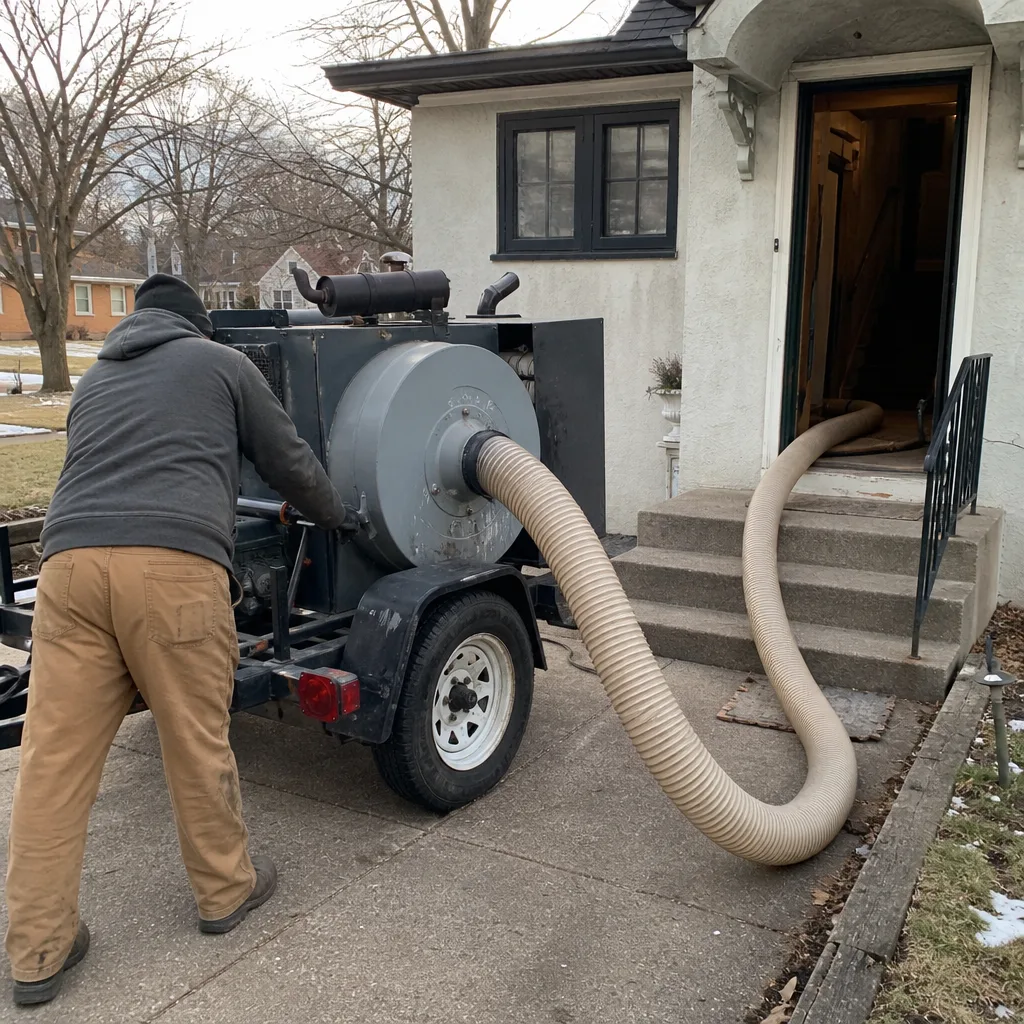
Last updated November 16, 2026
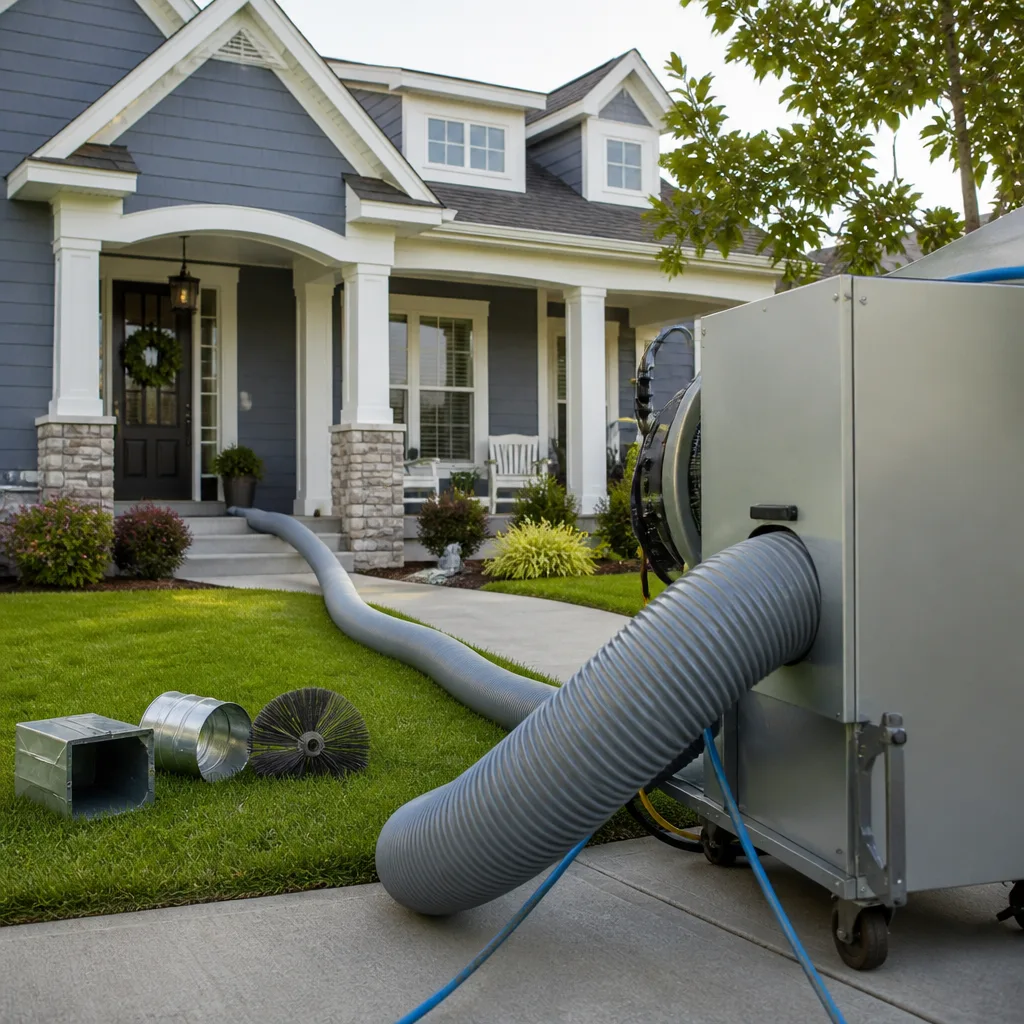 Whole-home duct cleaning
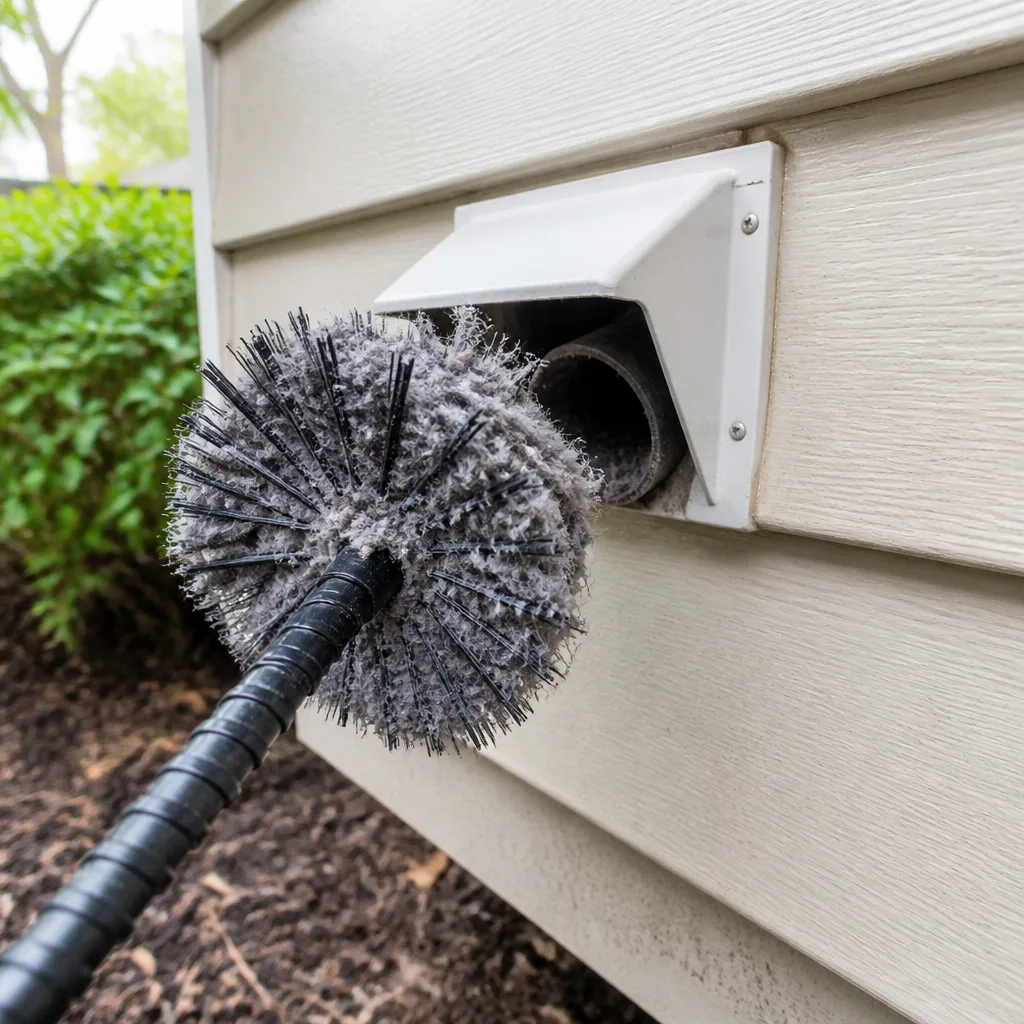 Dryer vent cleaning
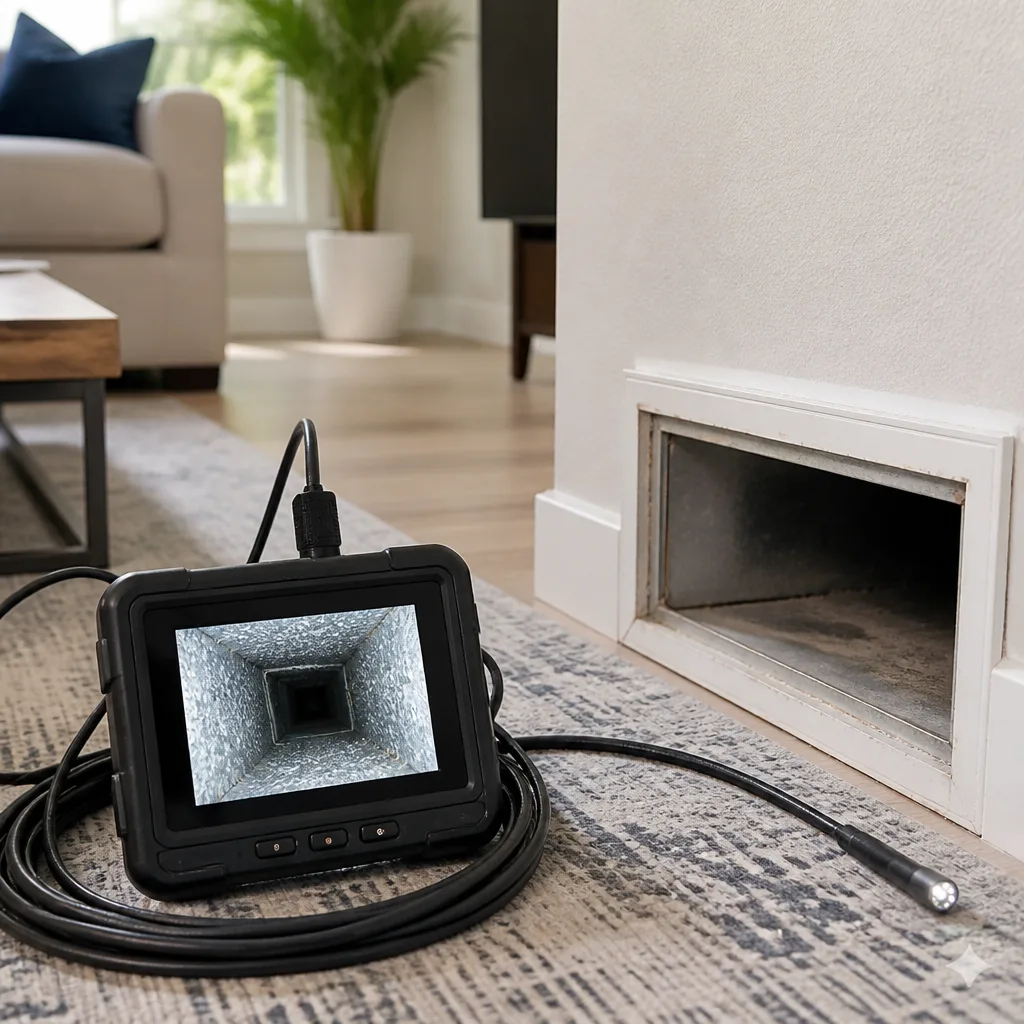 Camera inspection
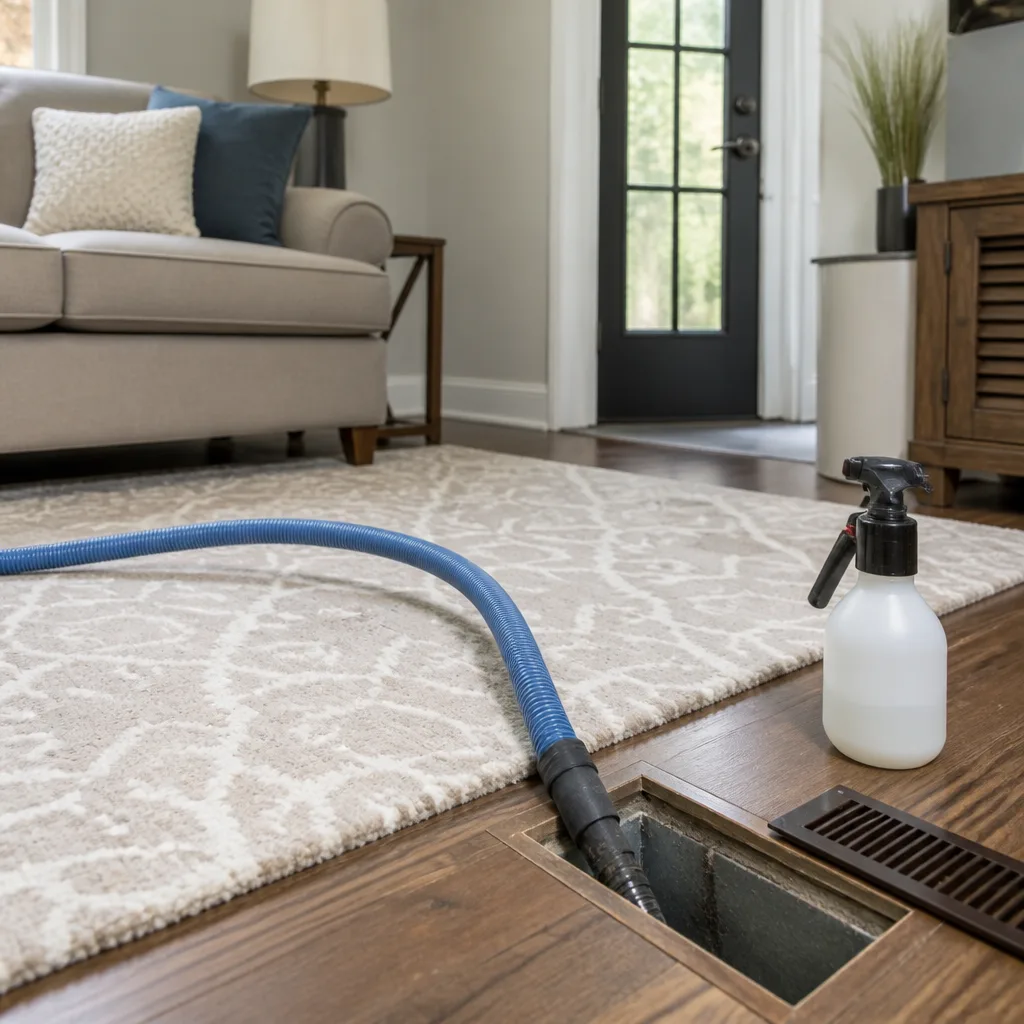 Sanitizing & deodorizing
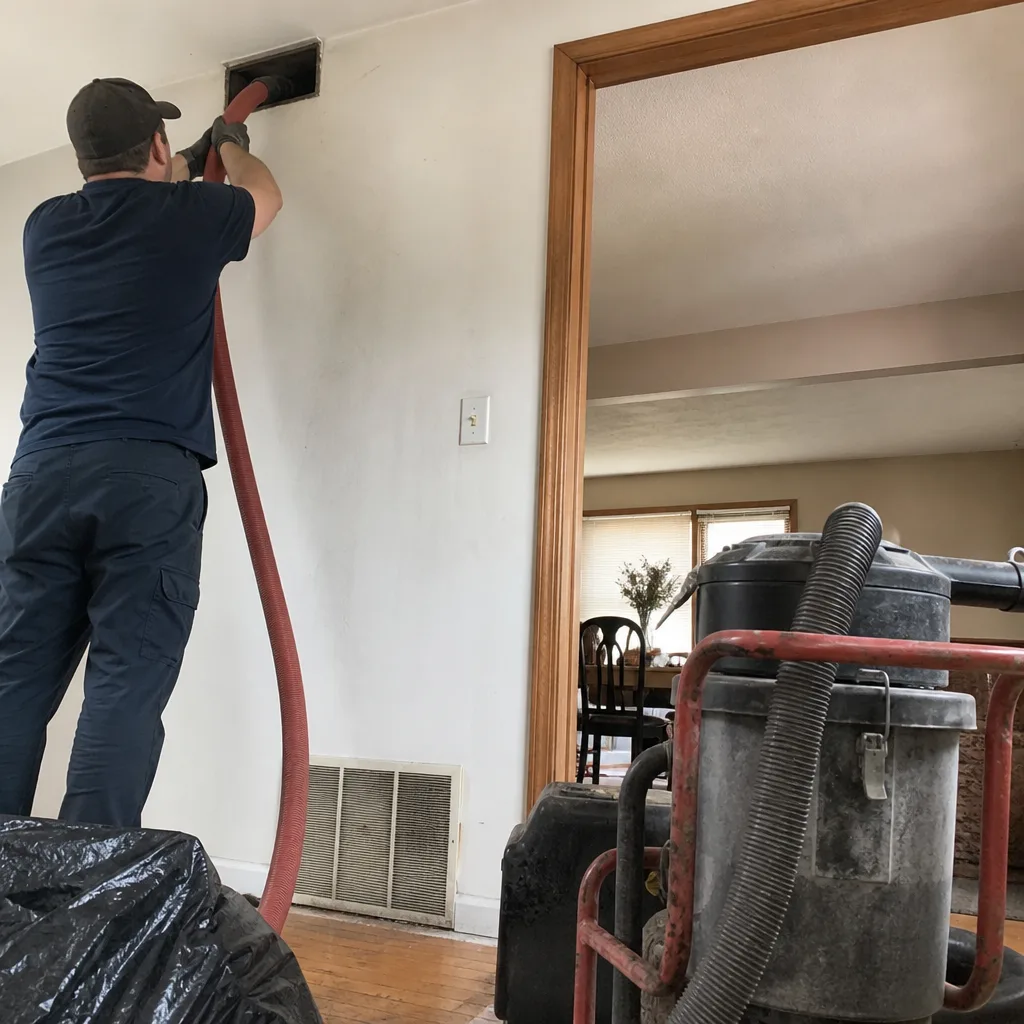
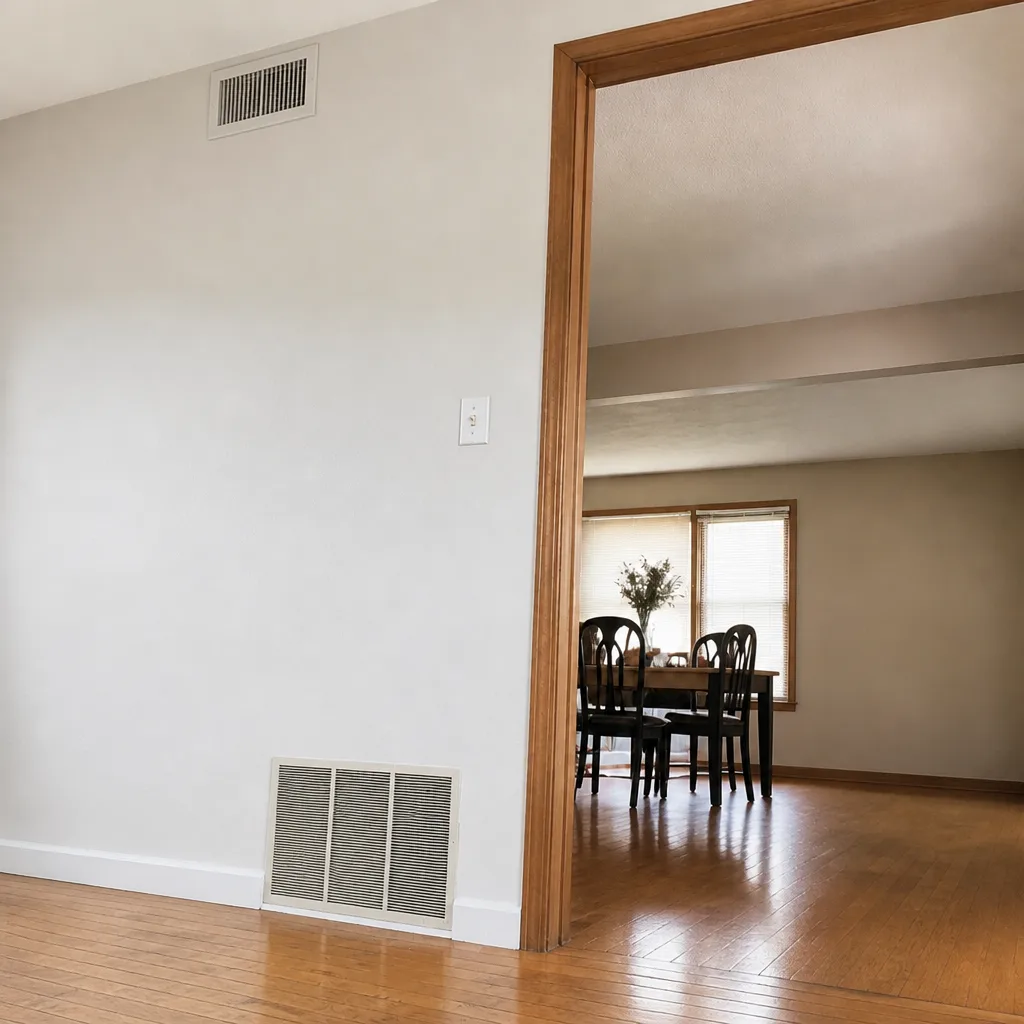
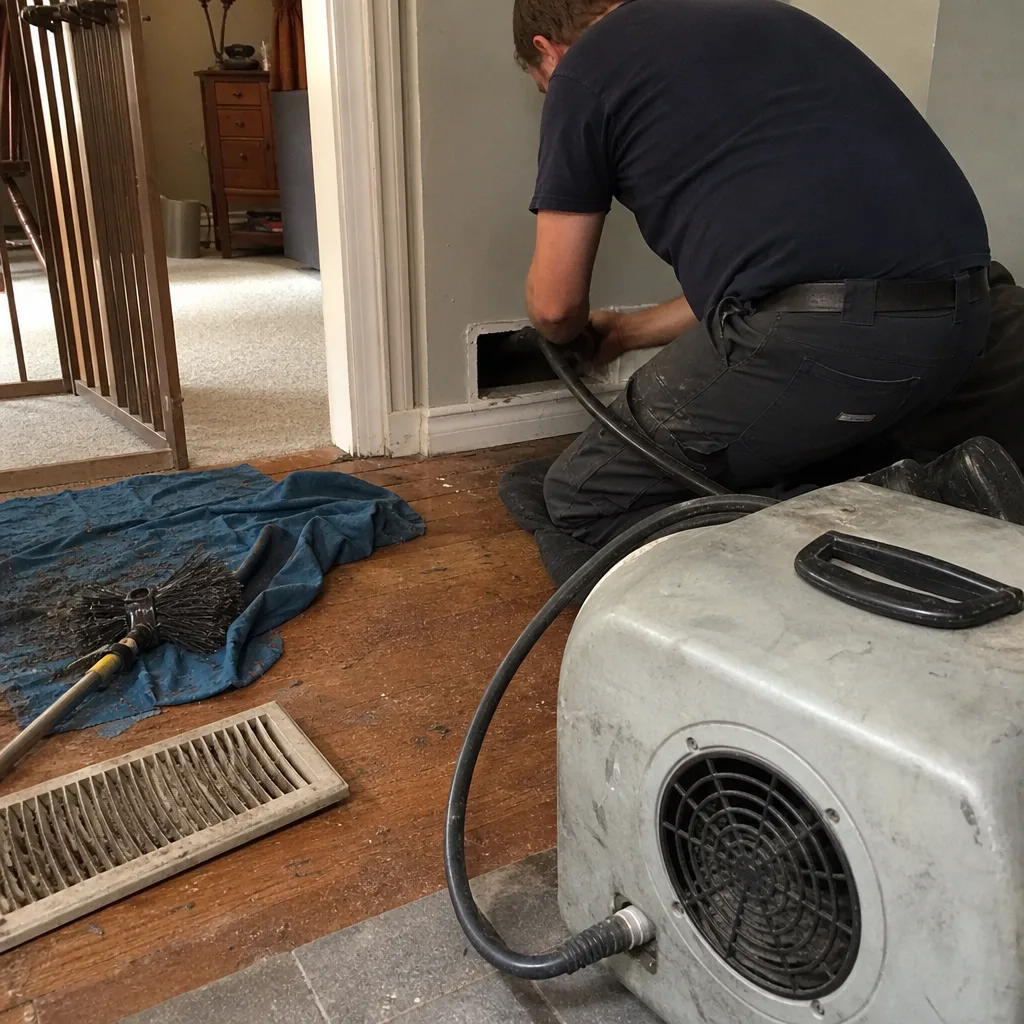
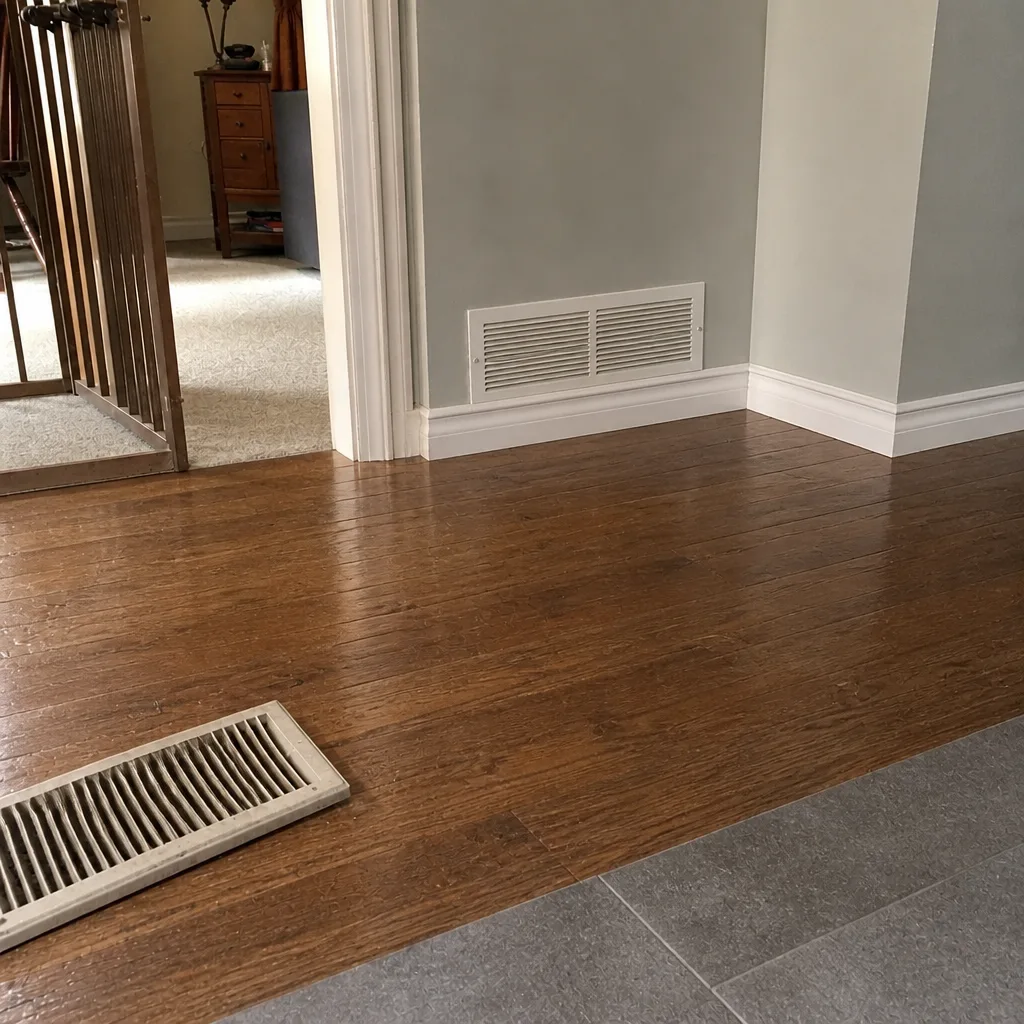
Whole-system duct and dryer vent check with before-and-after photos - you see exactly what came out of your vents
That "$99 whole-house special" is a bait ad - the real number appears once they are in your hallway, or the "clean" is a shop-vac at the register. We photograph the inside of your ducts before and after instead.
Air Duct Cleaning Emergency Preparedness Guide for Minneapolis Homes
Most emergency plans for a Minneapolis home stop at the water line. A failed sump pump, a burst supply line, a kitchen fire, a polar vortex cold snap that kills the furnace, mold remediation in the basement – homeowners handle the visible damage and call it done. What rarely gets checked is the duct system sitting quietly behind the drywall, and that’s the part that decides whether a contained problem stays contained. Return air ducts often pull from the lowest level of a house, so smoke, moisture, and spores that start below grade can get drawn in and pushed back out through every supply register upstairs. This guide walks through the four emergencies that hit Minneapolis homes hardest, what each one means for your ductwork, how to document it for insurance, and when the fix is urgent versus when it can be scheduled.
Styles & brands we work with
- Whole-home duct cleaning
- Dryer vent cleaning
- Camera inspection
- Sanitizing & deodorizing
Quick Answer
After a flood, fire, or long HVAC outage in Minneapolis, your duct system can become a secondary damage path that spreads contamination through the whole house. The priority is to shut the system down until a professional inspects it, document the condition with photos and an inspection report, and then get a full-system cleaning and any needed duct repair before you turn the air back on. Clover Air Duct Cleaning handles air duct cleaning, air duct repair, and dryer vent cleaning in Minneapolis with professional-grade Rotobrush, Nikro, and Abatement Technologies equipment, and estimates are free.
Table of Contents
- Scenario 1: Basement Flooding and Water Intrusion
- Scenario 2: House Fire Smoke Damage
- Scenario 3: Post-Remediation Clearance
- Scenario 4: HVAC Failure During Extreme Cold
- Documenting Duct Damage for Insurance
- What to Do in the Interim
- Why Equipment Choice Matters After an Emergency
- Common Mistakes to Avoid
- When to Call a Professional
- Frequently Asked Questions
- The Bottom Line
Scenario 1: Basement Flooding and Water Intrusion
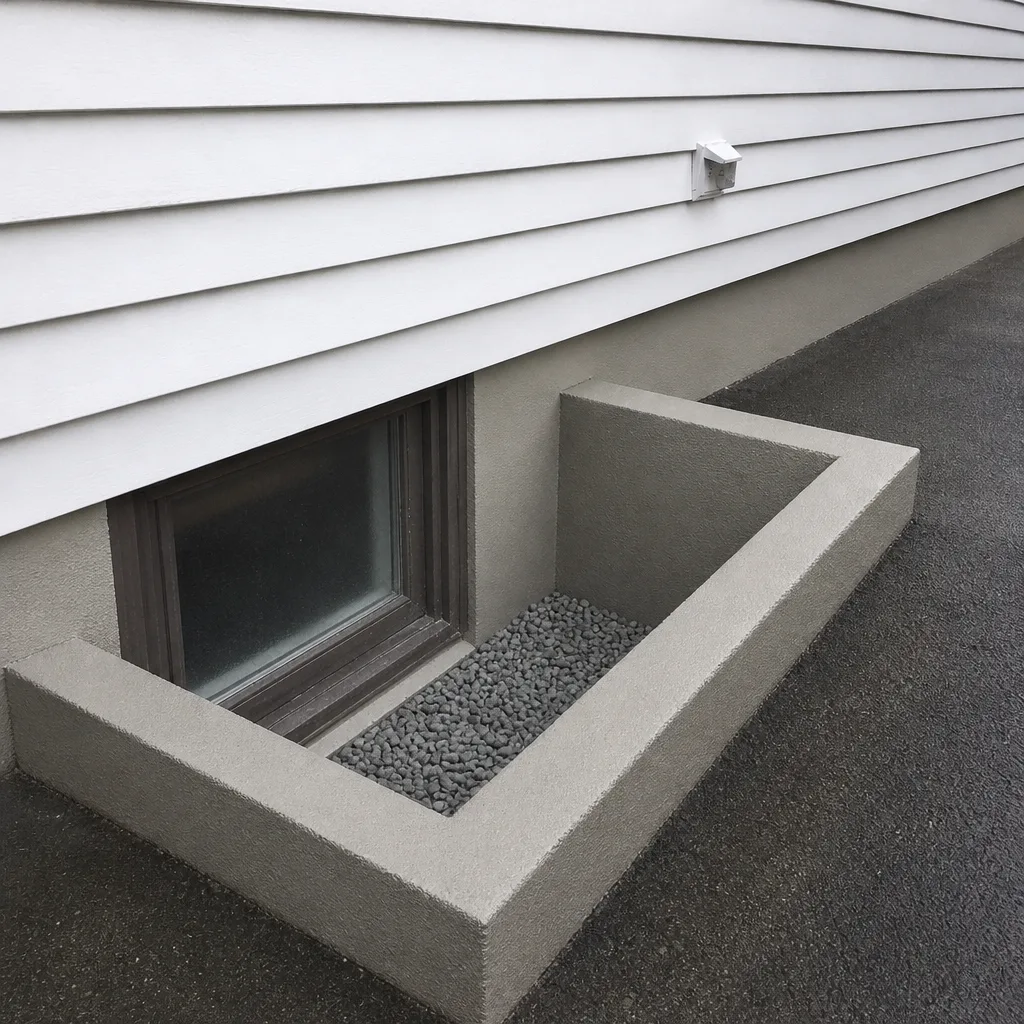
Spring thaw and heavy summer storms send water into Minneapolis basements more often than most homeowners expect, and the duct system is almost never part of the cleanup conversation. Here’s what happens inside the ducts after water intrusion.
Return air ducts commonly draw from the lowest level of a home because that’s where the coolest, densest air collects. That same design means a wet basement is a wet return system. Once the water is pumped out and the carpet is pulled, the ducts are still lined with damp dust, insulation fragments, and whatever the water carried in. Within a day or two, that moisture supports mold growth inside a dark, humid duct run, and the next time the blower kicks on, spores travel through every register in the house.
The steps that matter right after water intrusion in a Minneapolis home:
- Shut the HVAC system down. Turn the thermostat to off and flip the furnace disconnect if you can reach it safely. A running blower pulls humid air through the entire duct network.
- Kill the water source and get standing water out. That’s your plumber or restoration contractor’s job, not the duct company’s.
- Photograph everything before drying begins. Registers, returns, visible duct openings, and the water line on the basement wall.
- Don’t run fans or a dehumidifier that vents into the return. Whole-house dehumidification can push moisture into the ductwork if it’s tied into the return plenum.
- Get the duct system inspected before you restart the furnace. A professional inspection covers visible duct runs, the return plenum, the air handler cabinet, and any flex duct that sat in water.
In our experience, the water-damaged duct problems that turn expensive are the ones where the furnace got turned back on “just to see if it works.” If water reached the air handler, the blower, or any flex duct, the system stays off until someone qualified looks at it.
Scenario 2: House Fire Smoke Damage
Smoke contamination in ductwork is different from soot on a wall. Fire smoke carries fine particulates, oils, and combustion byproducts that cling to duct walls, and the blower can redistribute that residue through the entire house long after the fire is out.
What fire-affected ductwork typically looks like:
- A visible film on the inside of supply registers and return grilles, often yellowish or brown
- Loose ash and char fragments sitting in low points of rigid duct runs
- Lingering odor that comes back every time the heat or AC kicks on
- Discolored insulation lining inside flex duct or duct board
The odor part is what homeowners notice first. Without professional cleaning, that smoke smell can persist for months, sometimes longer, and it reactivates on every heating cycle. Standard vacuuming and plug-in air fresheners do nothing to the source because the source is inside the duct system, not in the room.
Why consumer-grade cleaning falls short on fire jobs: shop vacs and consumer machines don’t have the containment to keep fine smoke residue from going airborne again, and they can’t reach past the first few feet of a duct run. Professional equipment draws the residue into filtered containment rather than pushing it back into the house. That’s the difference between a duct system that’s been cleaned and one that’s just been agitated.
After a fire in a Minneapolis home, the sequence looks like this: fire department clears the scene, restoration contractor handles structural damage, and the duct system gets cleaned and inspected before the HVAC is put back into service. If you’re coordinating with your insurer, the duct work is typically part of the smoke remediation scope, not a separate line item you have to argue for.
Scenario 3: Post-Remediation Clearance
Any time a Minneapolis home goes through mold remediation, water damage restoration, or a major pest or contamination cleanup, there’s a clearance step most homeowners never hear about: the duct system inspection.
Mold remediation contractors clean the affected surfaces, and their clearance testing confirms the air in the treated rooms is safe. But the return ducts that were drawing air during the remediation period can still hold the spores and debris that got pulled in. If the remediation happened in a basement or a lower level, the returns were actively pulling from the treatment zone the whole time.
What to do after remediation wraps up:
- Ask your remediation contractor whether the HVAC system was sealed off during treatment. Most reputable pros will isolate the system, but not all do.
- Get a duct system inspection before turning the system back on. The inspection should be documented, with photos of anything found.
- Request a full-system cleaning if the ducts were open to the work zone. Cleaning means the entire run from return grille to supply register, not just the registers themselves.
- Evaluate filtration upgrades. A Honeywell or Aprilaire filter system installed at the air handler holds up much better than a $5 fiberglass filter during post-remediation recovery.
- Keep the documentation. Clearance reports and inspection photos are worth keeping with your home records, especially if you ever sell or file an insurance claim.
Post-remediation duct intervention in Minneapolis is more common than people realize because so much of the housing stock has basement return air and older finished lower levels that flood easily. The pattern is predictable. The cleaning just needs to follow the remediation instead of getting skipped.
Scenario 4: HVAC Failure During Extreme Cold
When a Minneapolis furnace quits in the middle of a January cold snap, the immediate emergency is staying warm. The duct system question comes a few days later, usually after the service call, the space heaters, and the frozen pipe scare.
What happens to ductwork during an extended cold failure depends on how cold the house got and how long the furnace was out. A few things to watch for:
- Condensation and frost inside duct runs. Older homes with ductwork near exterior walls or in unheated spaces can form condensation when the house goes cold and warms back up quickly. That moisture feeds dust into a problem.
- Duct joint separation. Metal duct seals and flex duct connections shrink and expand with big temperature swings. A seam that opens up wastes every heating dollar after the furnace is fixed.
- Frozen and burst pipes feeding air handlers. If the failure was paired with a pipe freeze, the air handler cabinet and nearby duct runs are the first to check.
Rapid thawing is the sneaky part. When a Minneapolis house warms back up after a deep cold outage, condensation forms on cool surfaces inside the duct network, and if there’s dust and light rust sitting there, mold can take hold quickly. The right move is to run the system through a normal heating cycle, then have the ducts inspected, especially if the house sat below freezing for more than a day or two.
This is also the right moment to think about preventive filtration. A properly sized Aprilaire or Honeywell air cleaner at the air handler handles the dust burden after an outage much better than a filter installed at the return grille. Your duct cleaning technician can recommend the right fit for your system when they’re on site.
Documenting Duct Damage for Insurance
Insurance adjusters handle duct damage most smoothly when the documentation is specific, photographic, and tied to the event. Vague claims get bounced. Specific ones move.
What to gather after an emergency event in your Minneapolis home:
- Photograph the event itself before cleanup begins. Water lines, burnt register faces, smoke film on interior surfaces, the failed component. Timestamped photos on your phone are fine.
- Photograph every register and return. Take a wide shot of each room and a close-up of the grille.
- Get a professional duct system inspection report. The report should cover visible duct runs, the air handler, return plenum, register condition, and any photos or notes on contamination. An adjuster wants to see the inspection was done by a qualified company, not a handyman.
- Save the cleaning invoice with a scope of work. Line items that describe what was cleaned (which runs, what equipment, what containment) hold up much better than a single lump sum.
- Keep before-and-after photos. Reputable duct cleaning companies document the work with before-and-after photos of your actual ducts, not stock images. Ask for those in writing.
What adjusters typically want to see: the connection between the event and the duct damage, evidence the cleaning or repair was necessary, and documentation that the work was done by a qualified professional. If the duct issue is real and photographed, most policies cover it as part of the broader claim. Ask your adjuster for specifics on your policy before making assumptions.
Save the receipts. Save the inspection report. Save the photos even if the claim is denied. Those records are worth having when you sell the house or file the next claim, and they take almost no effort to organize.
What to Do in the Interim
Between the emergency event and the duct cleaning appointment, there’s usually a window of a few days. What you do with the HVAC system during that window matters.
The short version of interim steps:
- Keep the system off if water, smoke, or visible contamination reached the ducts. Don’t run the furnace or AC “to test” it. The blower just spreads the problem.
- Run standalone HEPA air purifiers in the main living spaces. Portable units from the hardware store work fine for this. They won’t clean the ducts, but they reduce airborne particles in the meantime.
- Change your furnace filter, and change it again after the cleaning. A cheap filter will load up fast after a fire or water event. It’s also a throwaway part, so replacing it before and after cleaning is normal.
- Close supply registers in affected rooms if the system is somehow running. That doesn’t clean the ducts, but it slows the spread.
- Don’t tape over registers permanently. Temporary covers during active remediation are fine. Sealing off the system long-term traps moisture and dust in a way that makes the eventual cleaning harder.
When it’s urgent versus when it can be scheduled:
Duct cleaning after an emergency in Minneapolis is typically urgent when there’s an active water source, visible mold inside the duct, a health condition in the home, or a furnace trying to run with compromised ducts. It’s schedulable when the emergency has settled, the system is off, the water or smoke source is stopped, and the priority is getting it done right rather than getting it done in an hour. Both fall in our normal scheduling. Call (844) 320-5410. We answer 24/7. Fast dispatch from 7am to 7pm, Sunday through Friday.
Why Equipment Choice Matters After an Emergency
After an emergency event, the duct system is not the kind of dust you find in a well-maintained home. It’s contaminated with whatever the event brought in. That’s why the equipment matters more on recovery jobs than on routine cleaning.
Here’s what professional-grade equipment actually means on a job like this:
Rotobrush and Nikro systems are purpose-built for duct interiors. They agitate the full length of a duct run with rotary tools that reach past the first few feet and pull the loosened material into a sealed vacuum. Shop vacs and consumer units don’t reach, and they don’t contain. That distinction is what separates a real cleaning from a cosmetic pass over the registers.
Abatement Technologies equipment provides HEPA-level containment during the cleaning itself, so the contamination coming out of the ducts stays in a filtered stream and doesn’t get pushed back into the living space. On a smoke or mold job, that’s not optional. It’s what makes the cleaning safe to do at all while people are in the house.
Air duct repair capability matters because emergencies often expose problems that were already there. A separated joint, a crushed flex run, a return that was never properly sealed. Professional air duct cleaning identifies those issues instead of just moving debris from one place to another. Our Minneapolis customers get the cleaning and the repair under one scope of work, which makes the insurance paperwork cleaner too.
The full scope at Clover Air Duct Cleaning covers air duct cleaning itself, air duct repair, and dryer vent cleaning. Dryer vents matter more than most people realize because lint buildup there is a leading cause of residential fires, and a house that just went through one emergency doesn’t need a second one building up behind the dryer. The company also works with Honeywell and Aprilaire indoor air quality products, which is useful when the recovery plan calls for upgraded filtration after the cleaning is done.
We don’t do this work with improvised tools because the recovery jobs we get called to after water damage, fire, or remediation are the ones where shortcuts cause problems months later. Professional-grade equipment is the whole point. If a quote for duct cleaning after an emergency comes in at a price that seems impossible, the question to ask is what equipment will actually be in the driveway.
Common Mistakes to Avoid
- Turning the HVAC back on before the ducts are inspected. After water intrusion or smoke damage, running the furnace spreads contamination to every room. Keep the system off until a professional has looked at it.
- Skipping the duct system in the insurance claim. Duct work gets treated as an afterthought when the claim is filed, and by the time the adjuster closes the file it’s harder to add. Document the duct condition in the first photos you take.
- Hiring the cheapest duct cleaning quote after an emergency. Cheap quotes on recovery jobs usually mean a shop vac and a register wipe. On a basement flood in a Minneapolis home, that doesn’t reach the mold growing in the return.
- Reusing the same filter through the recovery. A filter that sat through a fire or water event is loaded and needs to go before cleaning and get replaced after.
- Cleaning the ducts before remediation is signed off. If mold or water remediation is still in progress, cleaning the ducts first wastes the work. Sequence matters: remediate first, then clean the ducts.
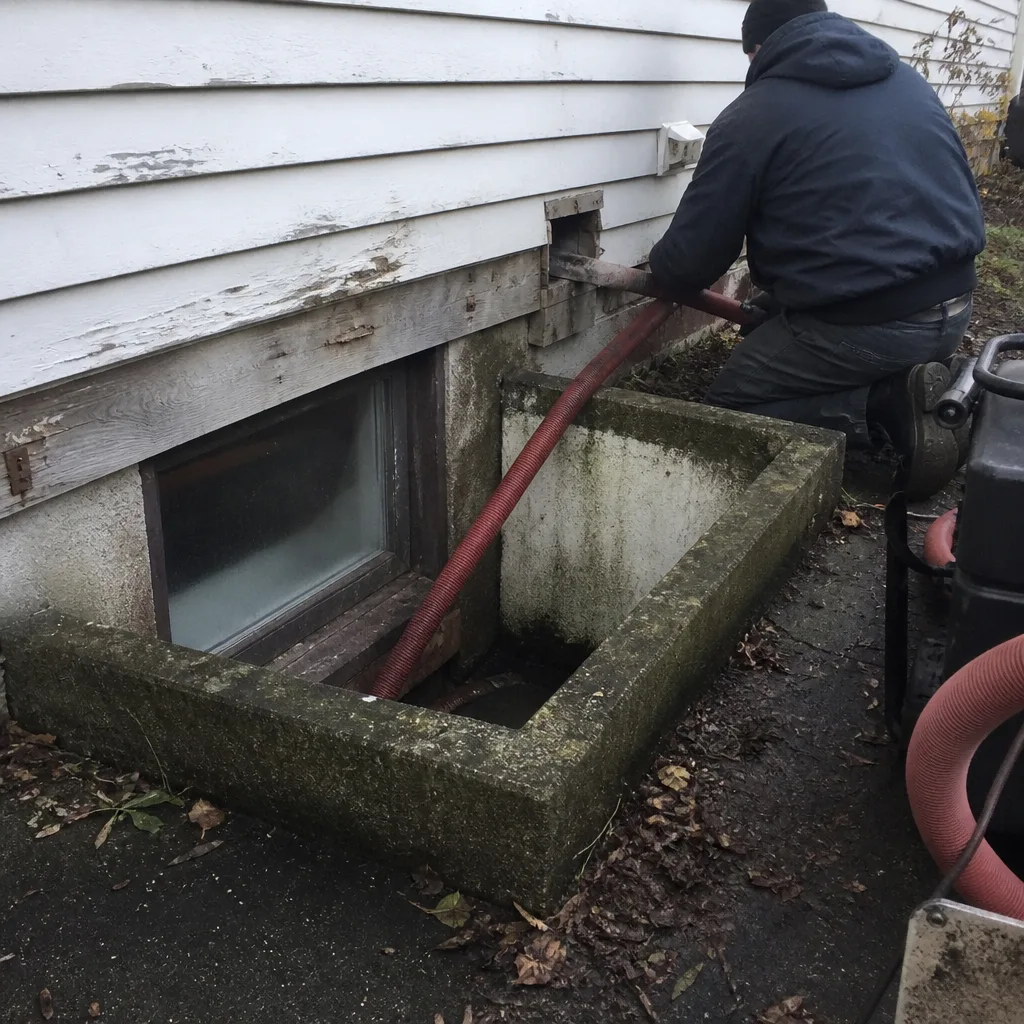
- Ignoring dryer vent cleaning after a water event. A dryer vent that got wet can hold lint tighter than it did before. If the basement flooded near the laundry area, that vent needs attention too.
- Skipping the post-job walkthrough. Ask for before-and-after photos of your own ducts, not generic images. The documentation is worth having and it’s a legitimate ask on any cleaning job.
When to Call a Professional
Call a professional duct company when any of the following is true in your Minneapolis home. You had water intrusion that reached a return grille, a supply register, or the air handler. You had a house fire, even a small one, and the smoke smell comes back when the furnace runs. You completed mold or water remediation and aren’t sure whether the ducts were sealed during the work. Your furnace failed during a cold snap and the house went below freezing for more than a day. You’re filing an insurance claim and need an inspection report for the adjuster.
If you’re in one of those situations, Clover Air Duct Cleaning offers free estimates in Minneapolis. We’ll inspect the system, tell you what the ducts actually need, and put a flat price per system in writing before any work starts. Call (844) 320-5410. We answer 24/7, and fast dispatch runs from 7am to 7pm, Sunday through Friday.
If you’re not in an emergency situation but you’re wondering whether the system needs routine cleaning, the Clover Air Duct Cleaning team can walk you through the decision.
Frequently Asked Questions
As soon as the water source is stopped and any active remediation is done, and definitely before you run the furnace again. Mold can start growing inside damp return ducts within 24 to 48 hours, so waiting weeks gives it time to spread. Call (844) 320-5410 for an exact quote. Estimates are free.
Yes, when the entire duct system is cleaned with equipment designed for smoke residue, not just wiped at the registers. Lingering odor usually comes from residue inside the duct walls and from insulation that absorbed it, so surface cleaning won’t fix it. Professional cleaning with proper containment is the fix.
Often yes, when the duct damage is tied to a covered event and documented with an inspection report and photos. Policies differ, so ask your adjuster directly. What you can control is the documentation: photos of the event, a professional inspection report, and a cleaning invoice that includes a scope of work.
Because they’re not doing the same job. Cheap quotes usually rely on shop vacs and consumer tools that don’t reach past the first few feet of a duct and don’t provide containment during cleaning, which on a smoke or mold job just recirculates the problem. Professional equipment costs real money to run, and a credible quote reflects that.
Before-and-after photos of your own duct system, taken during the job. Any reputable company will document interior duct condition before cleaning and again after. If a company doesn’t offer that, ask why.
After. Remediation handles the surfaces and materials in the affected rooms, and duct cleaning happens once that work is signed off. Cleaning first wastes the work because the source is still active. If the system was running during remediation, get the ducts inspected even if they look fine.
If the dryer vent got wet or the laundry area flooded, yes. Lint becomes dense and hard when it dries after a water event, and dryer vents are part of a household fire safety picture. Our dryer vent cleaning service covers this, and it’s worth bundling with the duct work if both need it. Call (844) 320-5410 for an exact quote. Estimates are free.
The Bottom Line
Your duct system isn’t separate from the rest of your house. It’s a direct route between every level, which means the emergency that starts in the basement or the kitchen keeps traveling if the ducts go unchecked. Water intrusion, fire smoke, mold remediation, and cold-weather HVAC failure all have a duct step that most emergency plans miss. Handle that step in the right order: stop the source, document the condition, keep the system off until inspection, clean the system with professional-grade equipment, and address any repair the inspection uncovered. Ask for before-and-after photos of your own ducts and keep the paperwork with your home records. When you’re ready to schedule, call (844) 320-5410 for a free estimate.
Written by the team at Clover Air Duct Cleaning.
See the difference
 Before
 After
 Before
 After
 Before
 After