
Last updated November 16, 2026
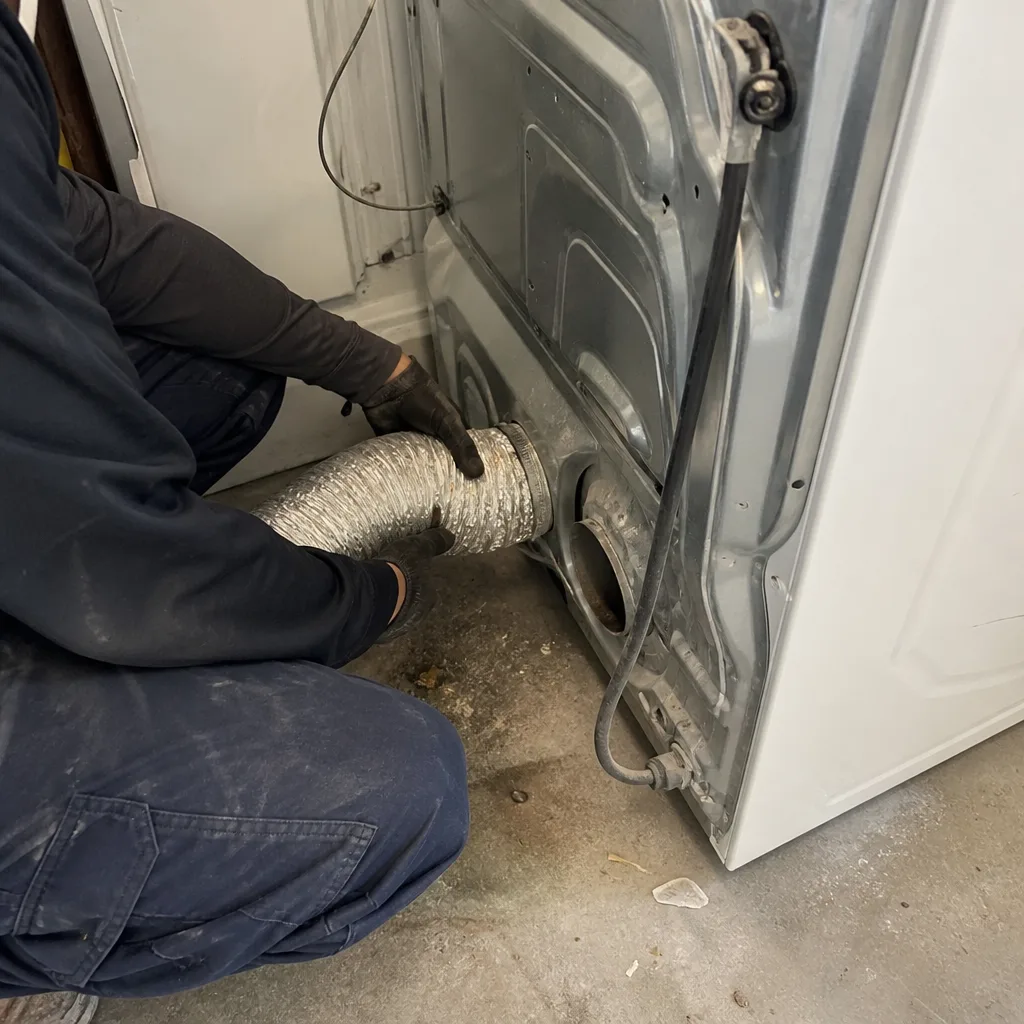
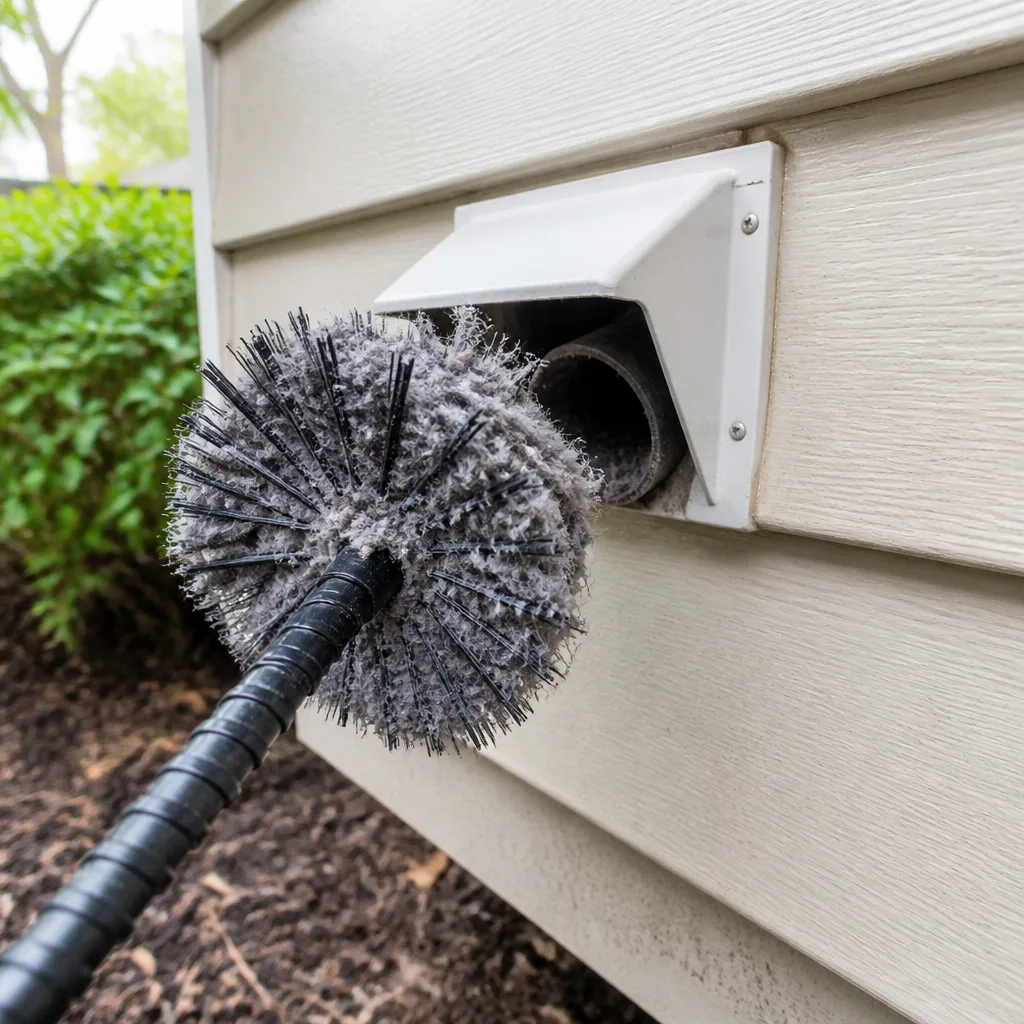 Dryer vent cleaning
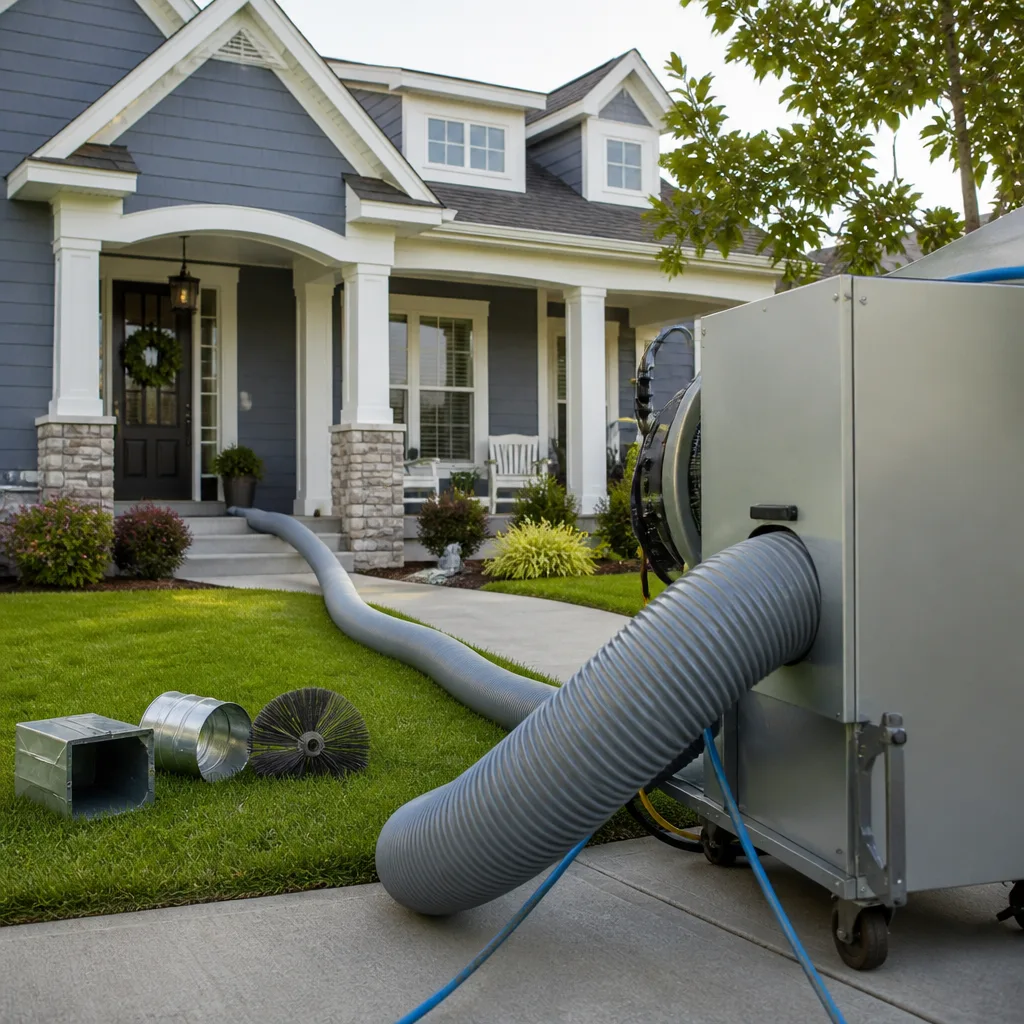 Whole-home duct cleaning
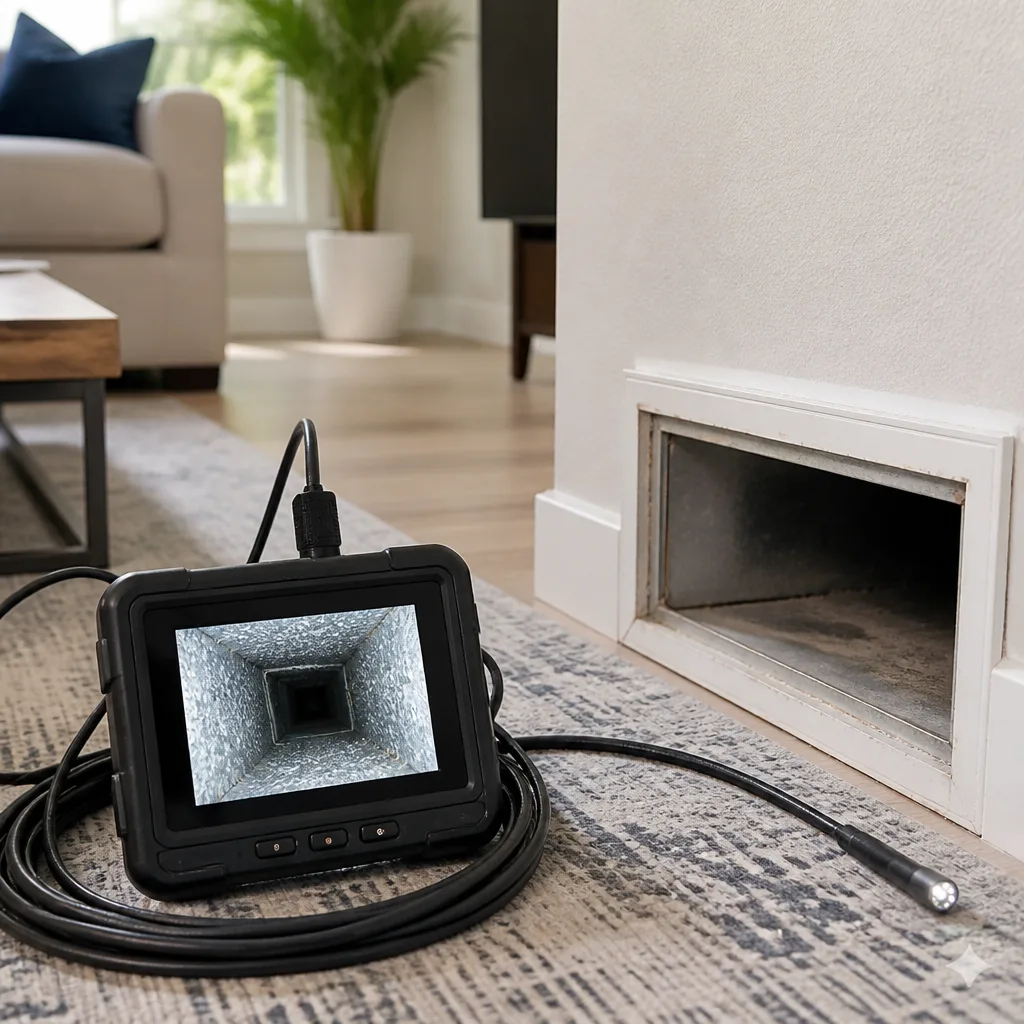 Camera inspection
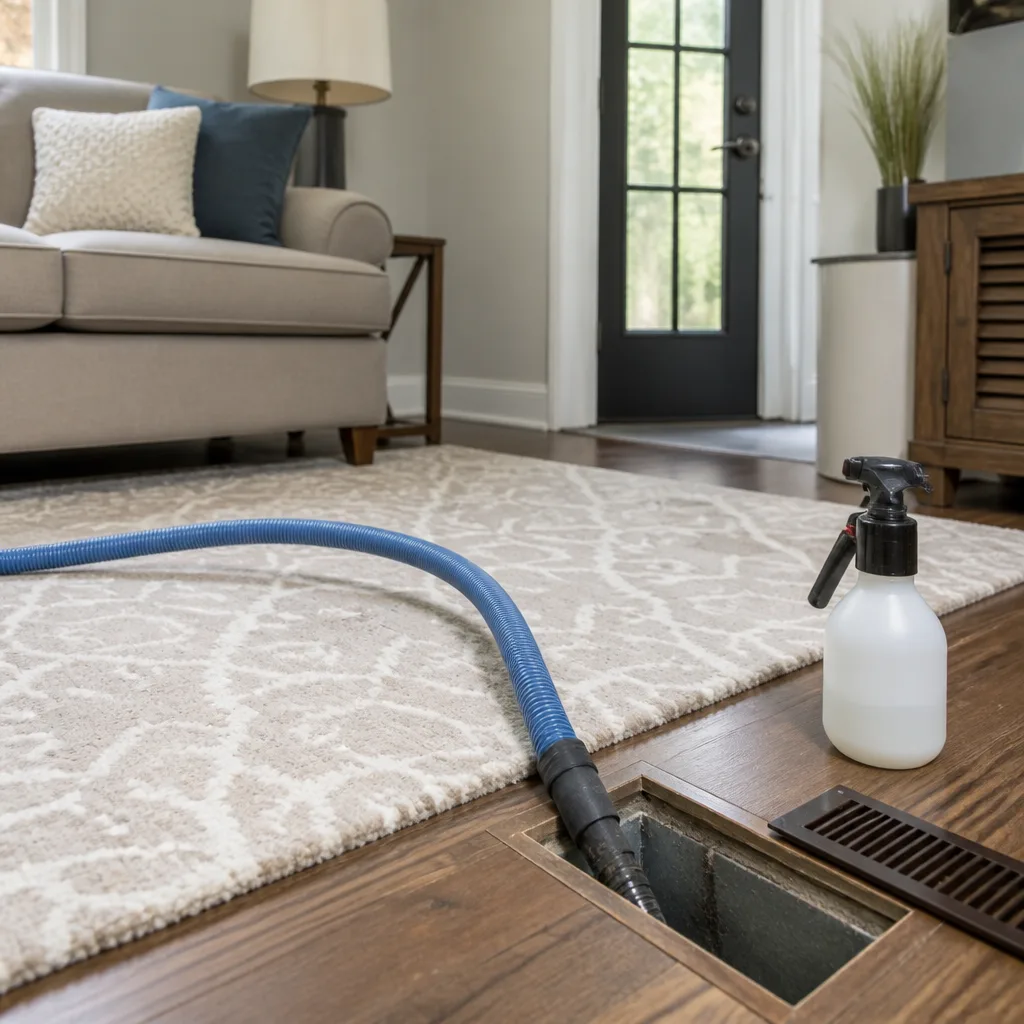 Sanitizing & deodorizing
Whole-system duct and dryer vent check with before-and-after photos - you see exactly what came out of your vents
That "$99 whole-house special" is a bait ad - the real number appears once they are in your hallway, or the "clean" is a shop-vac at the register. We photograph the inside of your ducts before and after instead.
Dryer Vent Cleaning Troubleshooting in Minneapolis: Common Problems and How to Fix Them
If your dryer takes two cycles to dry a load, the instinct is to clean the vent. But a kinked flex duct behind the machine or a failed booster fan causes the exact same symptom, and won’t respond to any amount of brushing. In Minneapolis, where long duct runs through cold basements and tight closets are common, the wrong diagnosis is the difference between a fixed dryer and a second service call. This guide maps each symptom to its likely cause so you know what to check, what to skip, and when to stop troubleshooting and call for help.
Quick Answer
Persistent damp clothes, long dry times, a musty smell, or humidity in the laundry room rarely come from a single problem. A clogged vent, a crushed or kinked duct, a failed booster fan, or a damaged exterior cap can all produce the same symptoms. Cleaning fixes a blocked line, but not a broken one. Diagnose before you pay for service.
Styles & brands we work with
- Whole-home duct cleaning
- Dryer vent cleaning
- Camera inspection
- Sanitizing & deodorizing
Table of Contents
- Why the Symptom Points to the Cause (and Why Cleaning Isn’t Always the Answer)
- How to Do a Backpressure Check Before You Call Anyone
- The Booster Fan Problem in Older Minneapolis Homes
- When Cleaning Makes Things Worse
- What “Cleaned but Still Not Working” Actually Means
- Duct Routing in Minneapolis Layouts: Basements, Closets, and Long Runs
- The Exterior Cap and Why It Matters in a Minneapolis Winter
- What You Can Check Yourself and What Requires Equipment
Why the Symptom Points to the Cause (and Why Cleaning Isn’t Always the Answer)
Long dry times are the most misunderstood symptom in Minneapolis. A dryer that runs two full cycles without getting clothes dry could have a lint-clogged vent, a crushed flex duct behind the machine, a failed booster fan, or even a failure in the dryer itself. The symptom looks identical. The fix is different in every case.
A burning smell is a different signal. When lint builds up near the dryer’s heating element or the transition duct, friction and heat can char it. That smell is a fire indicator and needs immediate attention. According to the U.S. Fire Administration, dryer fires cause an estimated 2,900 residential building fires each year, and failure to clean is the leading contributing factor. If you smell something burning, stop the dryer and treat it as urgent.
Humidity in the laundry room is the third distinct signal. Moisture that doesn’t leave the house means air isn’t exiting through the vent. That points toward a blockage somewhere in the run, a disconnected joint behind the dryer, or a vent flap that’s stuck shut. In a Minneapolis basement, this often shows up as condensation on cold pipes or dampness around the dryer rather than obvious water.
Each symptom maps to a different point in the system:
- Long dry times – partial blockage, crushed duct, or booster fan failure
- Burning smell – lint accumulation near heat source, needs immediate stop
- Humidity in laundry room – airflow leaving the dryer isn’t reaching outside
- Musty smell in clothes – moisture trapped in the drum or in a short, poorly vented run
- Vent flap not moving – total blockage, stuck flap, or disconnected duct
Diagnose the symptom before you schedule anything. Cleaning a vent that’s already clear does nothing for a machine problem. Cleaning a vent whose transition duct is crushed behind the dryer also does nothing.
How to Do a Backpressure Check Before You Call Anyone
You can test your vent’s airflow without any tools. It’s the fastest way to know whether the problem is blockage or not. If the exterior vent flap opens strongly when the dryer runs, airflow is good and cleaning alone won’t solve the problem.
Before starting, pull the dryer out far enough to see the back. Check that the duct behind the machine isn’t crushed or flattened. Flex foil duct that’s been shoved against a wall is a common culprit in Minneapolis homes.
- Run the dryer on a timed high-heat cycle with an empty drum.
- Go outside and find the exterior vent cap. It’s usually at ground level on an exterior wall or on the roof.
- Hold a tissue or a piece of light paper near the flap.
- If the flap moves strongly and the tissue blows away, airflow is fine and cleaning won’t help. Look at the dryer itself or the transition duct.
- If the flap doesn’t move, barely moves, or the tissue holds flat against the vent, there’s an airflow problem.
- Check the flap opens outward, not just loosely hangs. A stuck flap that doesn’t open fully is itself a blockage.
- Repeat the test after checking the transition duct. If the back-of-dryer duct is clear and airflow is still weak, the blockage is inside the wall or attic run.
Two cautions: don’t put your hand into the vent cap, and don’t climb on the roof to check. Roof vents require proper ladder and safety setup. If your Minneapolis home has its vent on the roof, test at the flap if you can safely reach it from a lower roofline or window; otherwise this check is done from inside by watching airflow at the back of the dryer or calling for a diagnosis.
The Booster Fan Problem in Older Minneapolis Homes
Older Minneapolis homes with long duct runs sometimes have an inline booster fan installed to push air through the line. These fans are placed inside the duct run, usually in a basement or attic, and have a small motor. When they work, they help. When they fail, they become a physical obstruction.
A failed booster fan is one of the most misdiagnosed problems in dryer vent troubleshooting. It sits inside the duct, so a technician who only cleans from the dryer end may not see or address it. And the homeowner can’t tell by symptom alone that the fan is the problem, because the symptom is identical to a clog: long dry times and weak exterior airflow.
These are the signs a booster fan is the culprit:
- Your vent run is long, and a booster fan was installed at some point to compensate.
- The fan makes a grinding, humming, or rattling noise when the dryer runs, or it’s completely silent when it used to be audible.
- Airflow at the exterior cap was fine before and has gradually dropped off.
- The duct run passes through a cold space like a basement or attic, and the fan housing is visible or accessible.
Booster fans are wired into the house’s electrical system. Don’t open the fan housing or attempt to test it with a multimeter unless you’re trained to work with household electrical. The fan is a component that needs to be identified and replaced, not bypassed. Our technicians with up to 14 years of experience know how to locate inline booster fans and determine whether the fan is the obstruction or whether lint is packed around it.
If a booster fan is present in your Minneapolis home and has never been checked, that’s a specific reason to call for an inspection before you spend money on cleaning.
When Cleaning Makes Things Worse
Cleaning a compromised duct can turn a partial blockage into a total failure. This is the scenario most homeowners don’t hear about, and it’s why some people who hire cheap duct cleaning end up with a bigger problem than they started with.
There are a few situations where running a brush or air whip through a dryer vent does damage:
- Disconnected or crushed ductwork. If a joint behind the wall has separated, cleaning agitation can push it further apart, and all subsequent airflow ends up inside the wall cavity.
- Flexible foil duct. In older Minneapolis homes, the duct running from the dryer to the exterior wall may be flexible foil. It tears and collapses more easily than rigid metal. A rotary brush that’s too aggressive can shred it.
- Plastic or vinyl flexible duct. Some older installations use plastic flex duct, which is more prone to tearing and is also a fire concern in itself. Cleaning it with the wrong tool can create holes.
- A partially collapsed run inside the wall. If the duct has sagged or been compressed by building settling, it’s already compromised. A cleaning pass can complete the collapse.
- A damaged exterior cap or flap. If the flap has rusted or jammed, forcing the brush against it may snap hardware and leave the vent open to weather.
This is where equipment matters. A professional-grade system like Rotobrush or Nikro uses controlled rotary action that’s tuned for duct type, not brute force. In our Minneapolis work, we’ve found that the wrong equipment is the cause of a surprising share of “cleaning made it worse” calls. Before any cleaning, the technician should identify the duct material, check for disconnections, and flag any run that can’t be safely cleaned. Air duct repair is a separate service for exactly this reason. If ductwork is torn, disconnected, or crushed, it needs to be repaired, not just cleaned.
What “Cleaned but Still Not Working” Actually Means
You paid for dryer vent cleaning in Minneapolis, the technician ran the equipment, and your dryer still takes two cycles. What happened? In most cases, the cleaning was real but incomplete, or the actual problem was never the blockage.
There are five likely explanations:
- The vent was cleaned but the transition duct wasn’t replaced. The short duct behind the dryer is often crushed or kinked, and it’s the single most common airflow restriction. Cleaning the wall run doesn’t fix it.
- The booster fan was missed. As covered above, a failed inline fan is a physical obstruction that a brush won’t remove, because it’s a broken mechanical part.
- The dryer’s internal blower is failing. Dryer blowers wear out. If airflow is weak directly at the back of the dryer with the vent disconnected, the dryer is the problem, not the vent.
- The exterior cap is jammed or has a clogged screen. Some vent caps have a screen or mesh. That mesh can pack with lint and look clear while killing airflow. Lint screens on exterior terminations should be removed or maintained.
- The run was partially cleaned. On a long run, the equipment may have reached the first bend or first blockage but not the full length of the duct.
What to do about it:
- Check the transition duct behind the dryer. If it’s foil flex and crushed, replace it with smooth rigid or semi-rigid metal duct.
- Look at the exterior cap. Clean any lint from the flap and remove any mesh screen that’s packed.
- Confirm with your technician whether a booster fan was present and whether it was inspected or tested.
- Ask for a duct inspection if the run is long or if symptoms persist. A camera inspection shows whether the run is blocked, disconnected, or collapsed.
- Have the dryer checked if the vent has been ruled out. Most appliance technicians can test dryer blower performance.
Cleaning a clogged vent is a real fix for a real problem. But “cleaned but still not working” means the diagnosis missed something, and the follow-up should be a proper inspection of the full run, not another cleaning pass.
Duct Routing in Minneapolis Layouts: Basements, Closets, and Long Runs
The layout of your home changes which dryer vent problems you’ll hit. In Minneapolis, the most common arrangements are:
- Basement laundry with a sidewall vent. Short runs, usually easy to reach. Problems tend to be crushed flex duct behind the dryer or a jammed exterior flap.
- Second-floor laundry with a long vertical run. These runs can be 20 feet or more, and because they go up through interior walls, they’re harder to access. They’re also the most likely to have had a booster fan installed at some point.
- Laundry closets in older homes. Space is tight, and the dryer often gets pushed back against the wall until the vent kinks. This single issue accounts for a significant share of “my dryer isn’t working” calls in Minneapolis’s older housing stock.
- Additions and finished basements. When a laundry is relocated, the vent runs sometimes get longer and less direct. Old vent runs may be abandoned in place.
Every one of these setups has a different typical failure mode. A sidewall vent gets a jammed flap. A long vertical run gets a booster fan that fails. A tight closet gets a crushed transition duct. If you know which setup you have, you already have a head start on diagnosis.
The Exterior Cap and Why It Matters in a Minneapolis Winter
Minneapolis winters make the exterior cap a trouble spot. Between moisture from dryer exhaust, freezing temperatures, and snow accumulation, the exterior flap can freeze shut or pack with ice.
What to look for:
- The flap won’t open when the dryer runs, even after clearing visible ice.
- Snow or ice is packed against the cap.
- Water stains or icicles near the cap.
- The cap is dented or the hinge is rusted.
What not to do: don’t pour hot water into the vent or use a tool to pry the flap open. This can crack the housing or damage the hinge. If the flap is frozen, wait for milder weather or have it addressed properly. If the cap is damaged, it should be replaced. A replacement cap that opens and closes correctly restores proper airflow and keeps cold air and pests out of the line. In Minneapolis, most exterior dryer vent caps are replaced with a simple, low-cost part; the cost is in the visit and the diagnosis, not the hardware.
In a Minneapolis spring, ice melt is off the list but the cap still matters. Leaves, lint, and bird nests can pack into an unprotected cap and create the same blockage.
What You Can Check Yourself and What Requires Equipment
You can check a lot of dryer vent problems without any unique tools. You should not attempt anything that involves opening ductwork, disassembling the dryer, or working with electrical components.
Safe for you to check:
- The transition duct behind the dryer, with the dryer pulled out, for kinks and crushing.
- The exterior flap for movement and blockage.
- Airflow at the exterior cap with a tissue.
- Whether a booster fan exists (look for visible housing in the run).
- Moisture or humidity in the laundry room.
Better handled by a professional:
- Cleaning the full duct run, especially long runs.
- Camera inspection of the duct.
- Replacing the transition duct with rigid or semi-rigid metal.
- Locating and replacing a failed booster fan.
- Repairing separated or crushed ductwork inside a wall.
- Replacing an exterior cap.
For cleaning specifically, professional systems like Rotobrush and Nikro give consistent, controlled cleaning through the full length of the duct. Consumer dryer vent kits and shop vacuums were never built for a 20-foot run. They can move some lint, but they can’t tell you what’s happening inside the duct or verify that the run is clear. Duct repair and dryer vent work should also be done with proper containment to keep lint out of your indoor air during the process. That’s where Abatement Technologies HEPA containment equipment comes in: it’s part of doing the job cleanly. Our technicians have up to 14 years of experience with the right equipment for both.
Common Mistakes to Avoid
- Assuming every slow dryer needs vent cleaning. A failed booster fan, crushed transition duct, or weak dryer blower causes the same symptom. Cleaning won’t fix those, so check the whole system first.
- Ignoring a burning smell. A burning smell is a sign of lint near a heat source. Stop using the dryer and treat it as an urgent problem, not a symptom to monitor.
- Cleaning an already-compromised duct. Crushed, torn, or disconnected duct needs repair, not cleaning. Brushing a compromised run can collapse it or push it apart.
- Skipping the transition duct. In a Minneapolis home, the short foil duct behind the dryer is often crushed against the wall. Cleaning the wall run without replacing the transition duct leaves the blockage in place.
- Pushing the dryer flat against the wall after service. A tight closet is a common feature in older Minneapolis homes. If the duct is crushed every time the dryer is pushed back, the problem will come back.
- Paying for repeated cleanings without a diagnosis. If cleaning didn’t fix the problem once, don’t pay for it again. Ask for a duct inspection and a check of the booster fan, transition duct, and exterior cap.
- Hiring a cleaning company that can’t identify or repair duct problems. A company that can only clean will not tell you if your run is damaged or if a booster fan is your real issue. Choose one with underlying repair capability.
See the difference
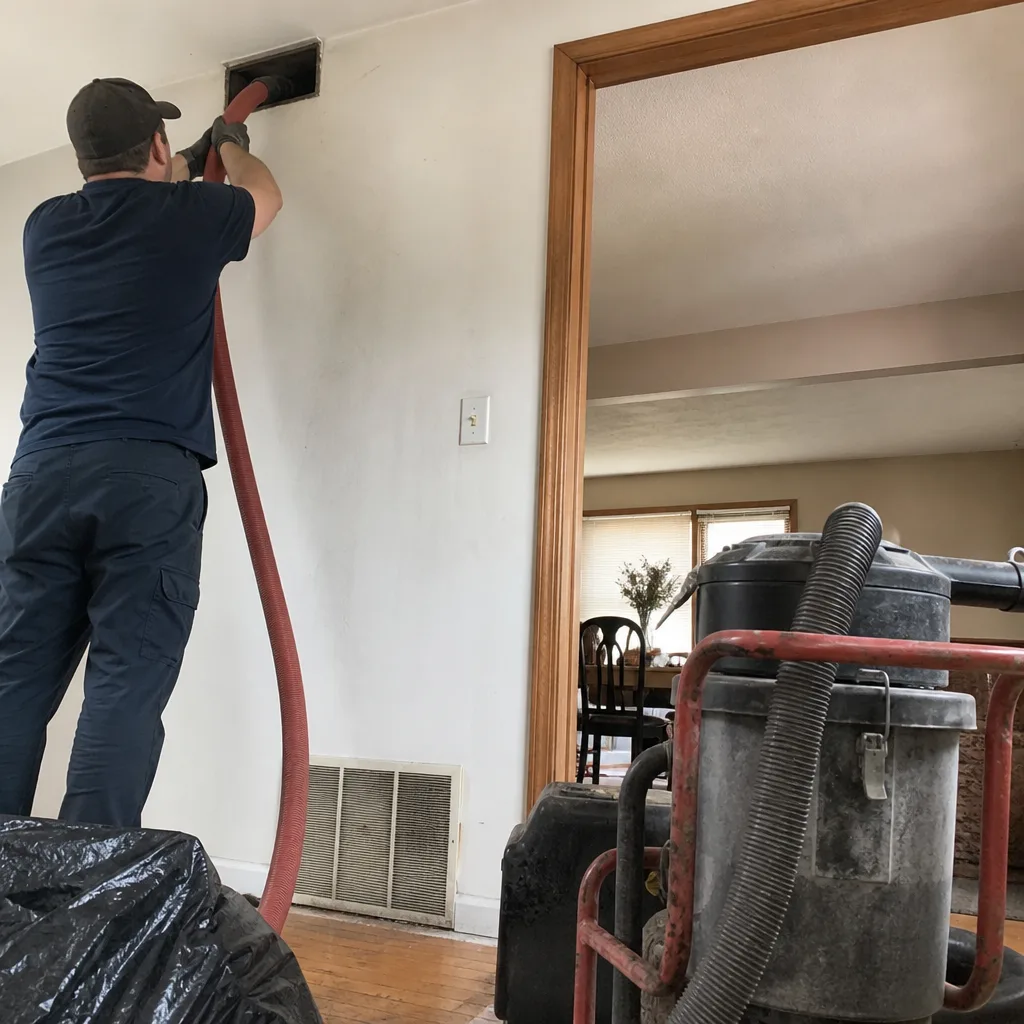 Before
 After
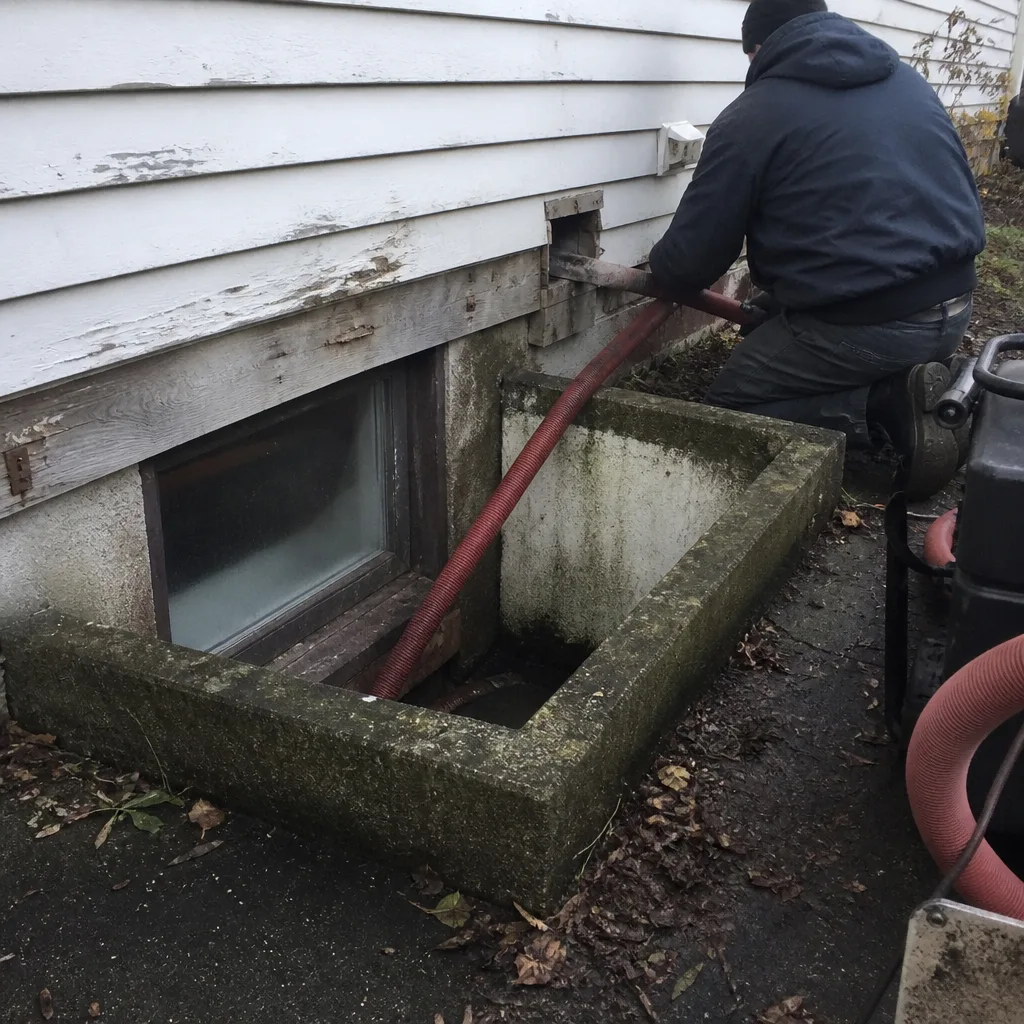 Before
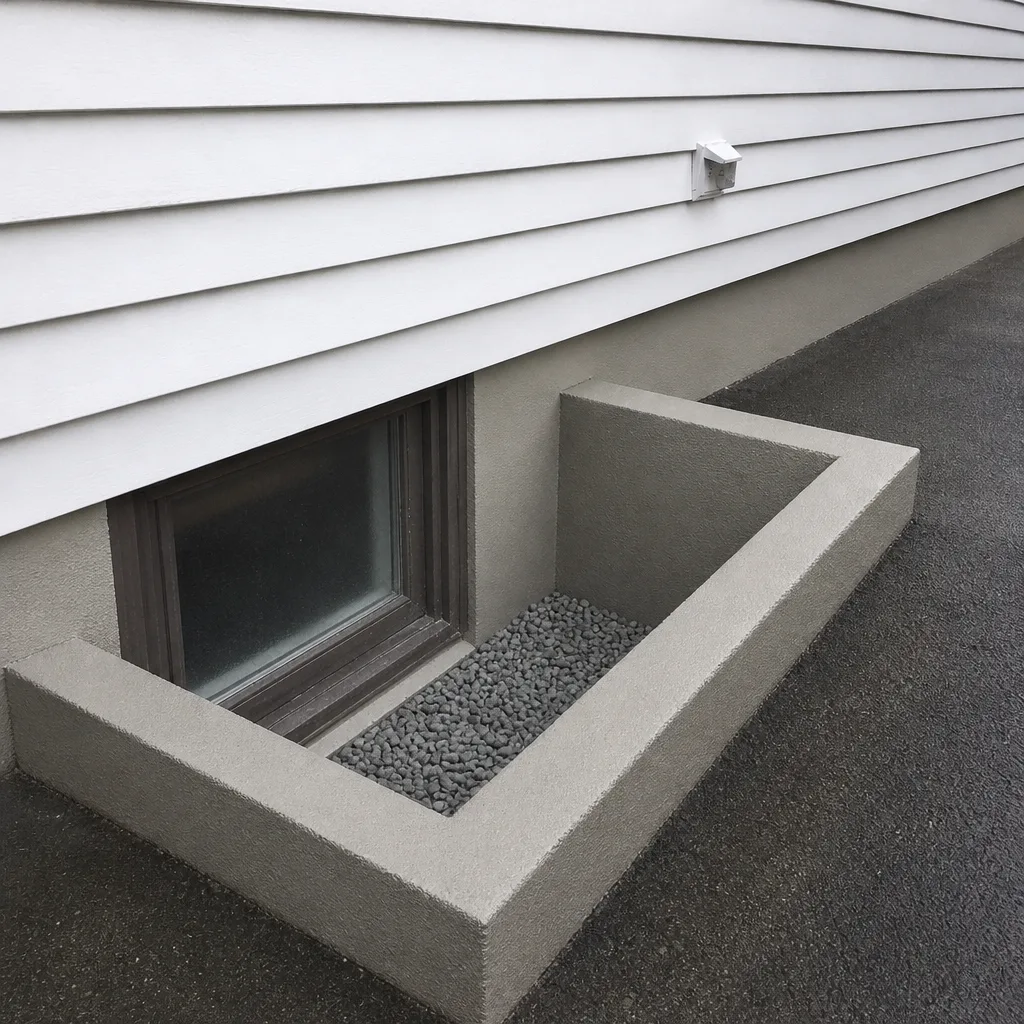 After
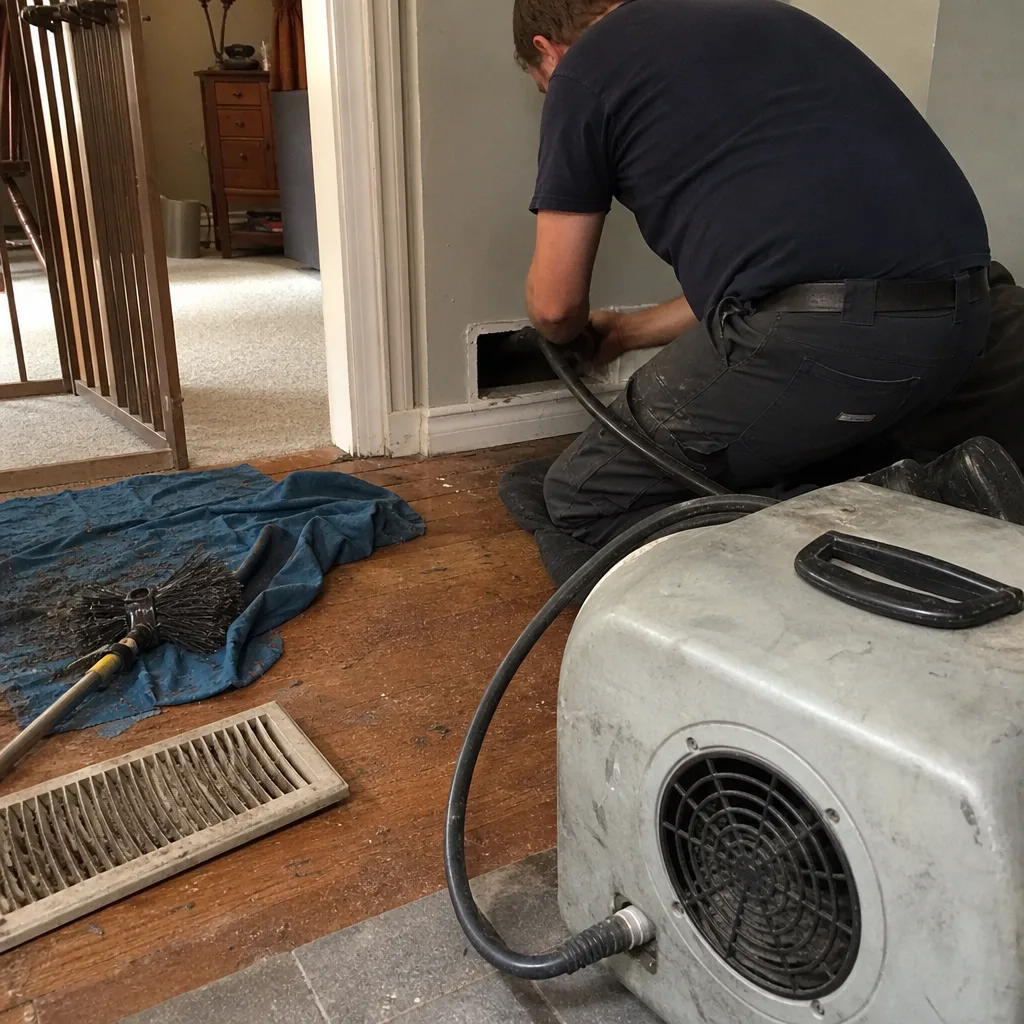 Before
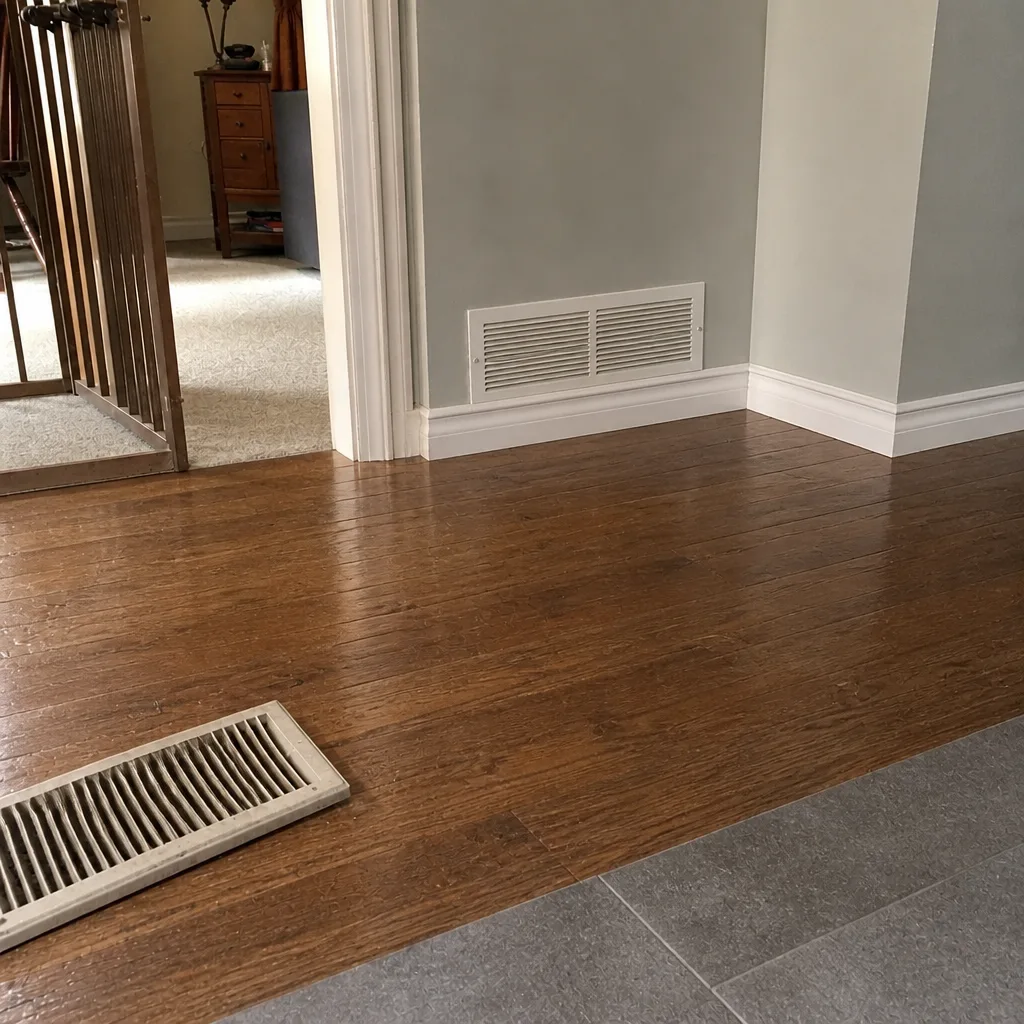 After
When to Call a Professional
Call a professional if the symptoms persist after checking the transition duct, if you suspect a booster fan, if the exterior cap is frozen or jammed, if you smell burning, or if your Minneapolis home has a long duct run and you haven’t had it inspected. Those are the cases where DIY checking reaches its limit and proper equipment matters.
Clover Air Duct Cleaning offers free estimates in Minneapolis. Call (844) 320-5410 to talk through your symptoms with someone who can identify whether the problem is a clog, a failed booster fan, a crushed transition duct, or a damaged run. The estimate is free and the price is set per job by a written estimate before any work starts. Our technicians use professional-grade equipment on every job, so we’re not cleaning around a problem.
Frequently Asked Questions
Most homes need dryer vent cleaning every one to two years, but the interval depends on the length of the run and the duct material. Minneapolis homes with long vertical runs or heavy use should be on the shorter end. If a load takes more than one cycle to dry or the exterior flap isn’t moving well, it’s due. Call (844) 320-5410 for a free estimate.
The most likely cause is that the cleaning was incomplete or that the real problem was never a blockage in the wall run. Crushed transition duct, a failed booster fan, a jammed exterior cap, or a failing dryer blower all cause this symptom. A proper duct inspection identifies which one. Call for an inspection rather than a second cleaning.
The typical cost depends on the length of the run, the number of bends, access difficulty, and whether repair is needed. Pricing is per job, provided as a written estimate before work begins. The final price is set by that estimate. Call (844) 320-5410 for a free quote.
Low quotes often cover only partial cleaning, or a quick brush pass on an easy-to-reach section. They don’t include equipment for long runs, containment for your indoor air, or a diagnosis of a booster fan or damaged duct. The final invoice can end up larger than a professional job because the work has to be redone. Ask what equipment is used and how far into the run cleaning actually goes before you accept a low number.
You can inspect the transition duct and check the exterior cap. You should not clean the full run yourself, especially a long one with a booster fan or a vertical run inside a wall. A compromised foil or plastic duct can be damaged further by consumer brush kits. A camera inspection from a professional also tells you whether the duct is intact, which a DIY pass can’t.
Clover is a duct specialist with professional-grade equipment: Rotobrush and Nikro systems for cleaning, and Abatement Technologies for HEPA containment. That means the technician can identify and repair a damaged duct, check for a booster fan, and clean to a standard that a general tool kit can’t reach. If your home needs more than a quick clean, that capability is the difference between a fix and a repeat visit.
The Bottom Line
Dryer vent problems in Minneapolis look interchangeable from the outside but come from different causes. Long dry times, burning smells, and humidity in the laundry room each point to a different part of the system. Do a backpressure check with a tissue before you schedule service. If the transition duct is crushed or a booster fan is suspect, cleaning won’t solve it. If cleaning didn’t fix the problem, get an inspection, not another cleaning. And if the smell is burning, stop the dryer. For a free estimate and an honest diagnosis of what’s actually going on, call (844) 320-5410. We answer 24/7, and fast dispatch is available from 7am to 7pm.
Written by the team at Clover Air Duct Cleaning.