
Last updated November 16, 2026
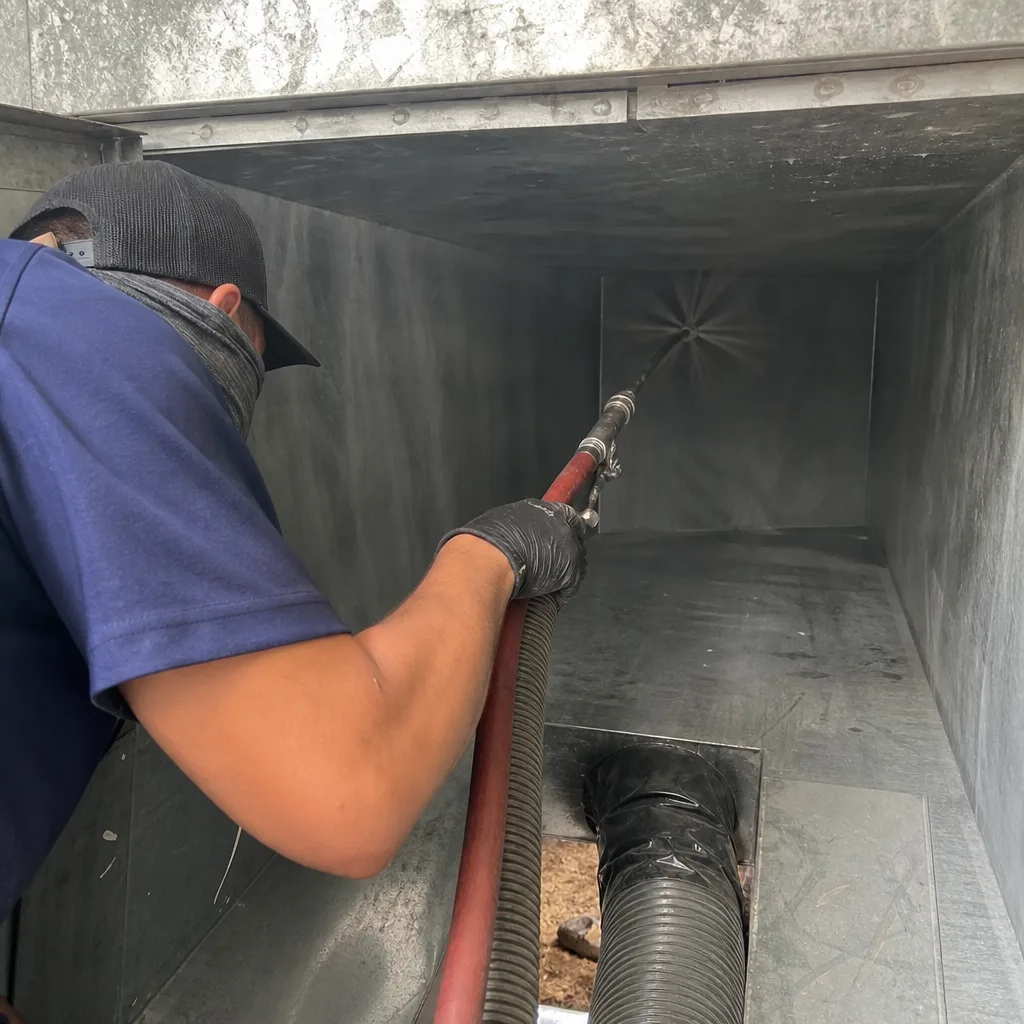
 Whole-home duct cleaning
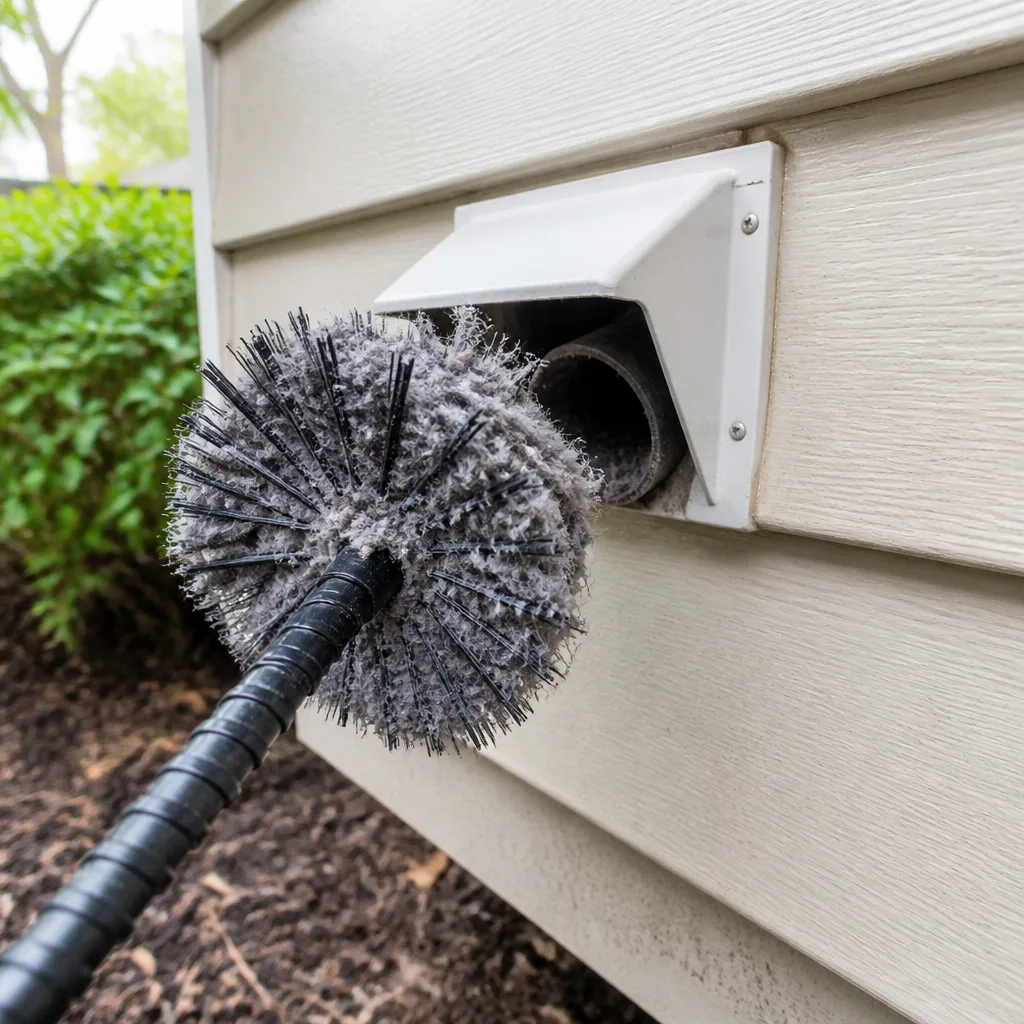 Dryer vent cleaning
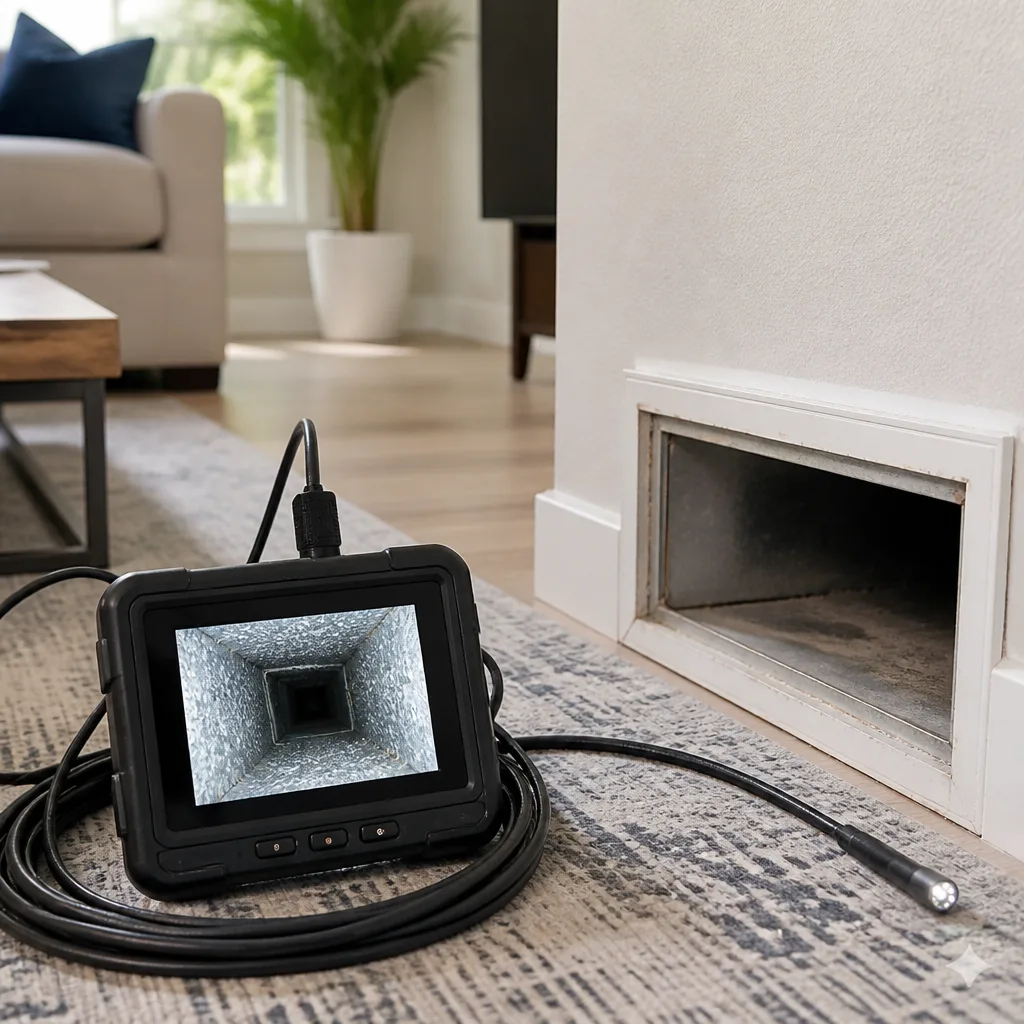 Camera inspection
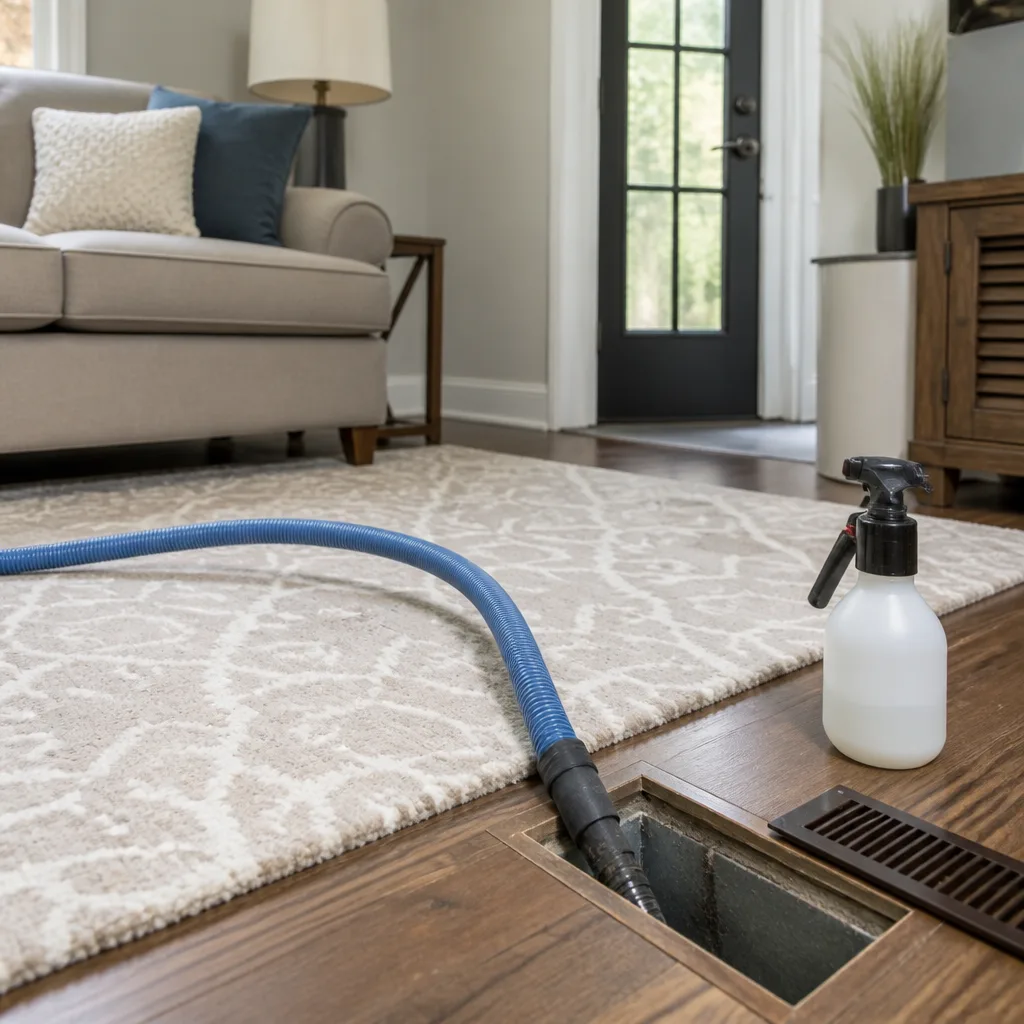 Sanitizing & deodorizing
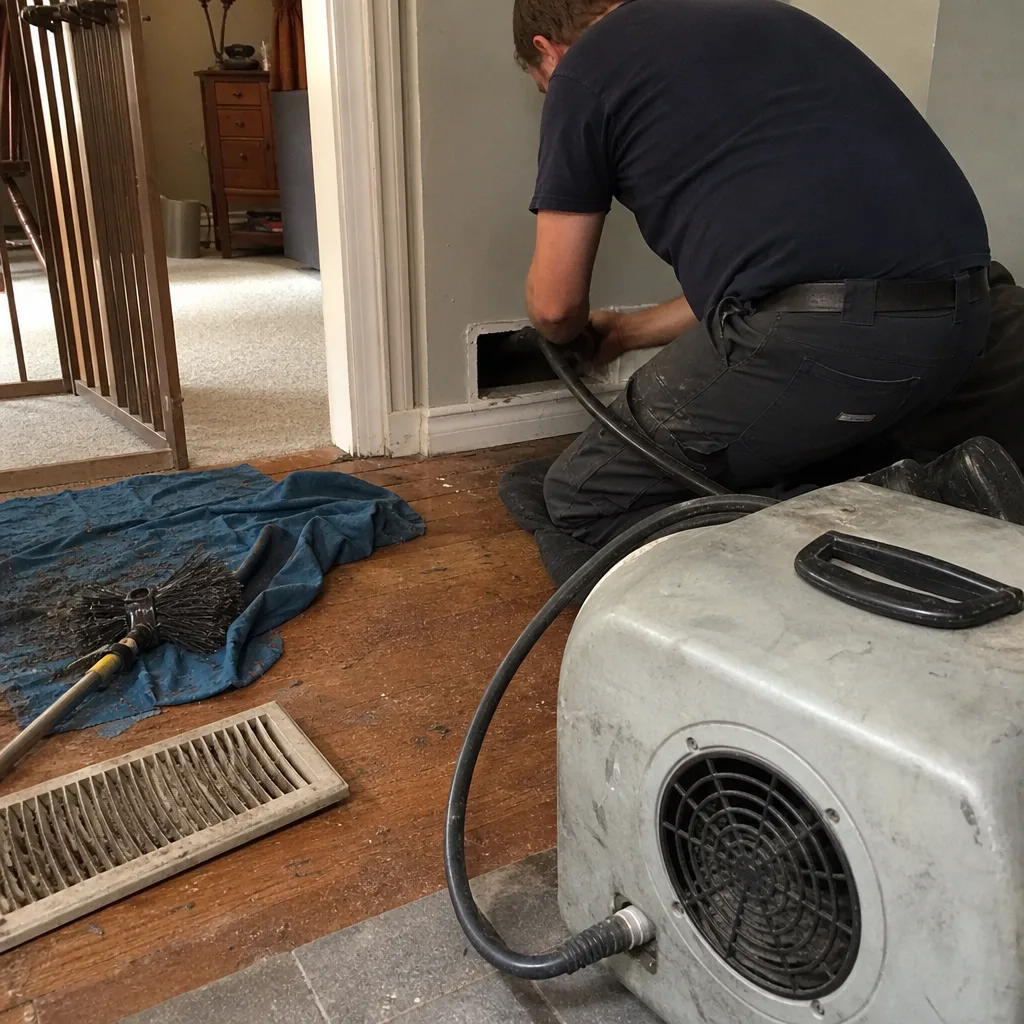
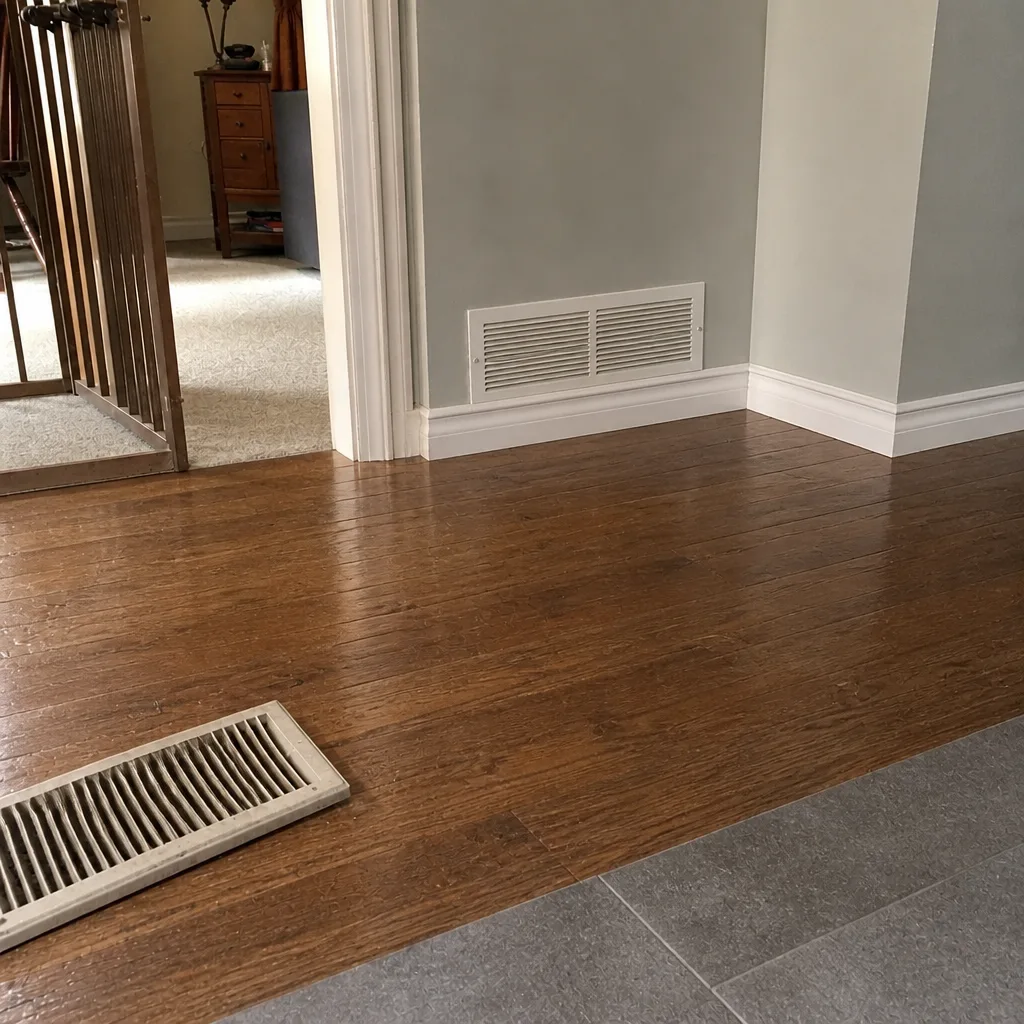
Whole-system duct and dryer vent check with before-and-after photos - you see exactly what came out of your vents
That "$99 whole-house special" is a bait ad - the real number appears once they are in your hallway, or the "clean" is a shop-vac at the register. We photograph the inside of your ducts before and after instead.
How to Hire an Air Duct Cleaning Contractor in Minneapolis: A Step-by-Step Guide
Most homeowners start with the right instinct and the wrong question. Asking “are you NADCA certified?” is a reasonable beginning, but it won’t tell you whether the company owns equipment capable of holding the negative pressure that source-removal cleaning requires in a larger Minneapolis home. That single detail separates a real clean from a cosmetic one, and it’s the difference nobody explains before you sign. Minnesota doesn’t license duct cleaning as its own trade, so the evaluation falls entirely on you. This guide walks through the four equipment questions, how to read a quote line by line, and the red flags that show up during the job itself.
Quick Answer
To hire an air duct cleaning contractor in Minneapolis, verify four things before booking: the equipment (a truck-mount or high-CFM portable vacuum with a brush system, not a shop vac), a written quote with line items instead of “whole system clean,” a defined source-removal process using negative pressure, and whether the company can inspect the air handler and repair compromised ductwork rather than just clean around it. Minnesota has no state licensing requirement specific to duct cleaning, so those four checks replace the license you’d normally rely on. Ask for before-and-after photos of your own system, and treat any quote far below the market range as a signal to keep looking.
Styles & brands we work with
- Whole-home duct cleaning
- Dryer vent cleaning
- Camera inspection
- Sanitizing & deodorizing
Table of Contents
- Why Minnesota Doesn’t License Duct Cleaning (and What That Means for You)
- The Four Equipment Questions to Ask Before You Book
- How to Read a Duct Cleaning Quote Correctly
- Red Flags During the Job Itself
- What Legitimate Contractors Will and Won’t Guarantee
- Minneapolis Climate, Older Housing, and Why Duct Condition Varies So Much
- Cleaning vs. Repair: Knowing Which One You Actually Need
- The Dryer Vent Question Most Contractors Skip
Why Minnesota Doesn’t License Duct Cleaning (and What That Means for You)
Minnesota does not issue a state license specific to air duct cleaning. This is the single most important fact in this guide, and it reframes everything else. Electricians carry a license. Plumbers carry a license. Duct cleaners in Minneapolis, by contrast, operate under general business registration, which means there is no state examination, no minimum equipment standard, and no trade board reviewing the work. Anyone with a van, a vacuum, and a business filing can advertise duct cleaning in Minneapolis tomorrow.
What this creates is a wide market. On one end you have companies running professional-grade systems like Rotobrush and Nikro, with containment equipment built by Abatement Technologies to keep debris from escaping into your living space during the job. On the other end you have operators using consumer vacuums with a rotating whip attachment, charging a fraction of the price, and moving dust from one section of duct to another without ever removing it from your home.
Neither of those operators will be stopped by a licensing agency, because there isn’t one. The verification has to come from you, and it comes down to a handful of concrete questions:
- What vacuum system do you use, and what is its airflow rating?
- Is it truck-mounted or portable?
- What brush or agitation system do you use inside the ducts?
- Can you perform a camera inspection of the interior?
Those four answers reveal more about a contractor than any certification logo on a website. A company that can answer them precisely, without hedging, is a company that has invested in equipment. A company that can’t is telling you something too.
The Four Equipment Questions to Ask Before You Book
Equipment is the whole ballgame in this trade. Cleaning ducts properly means creating negative pressure inside the system, agitating the debris loose, and pulling it into a collection unit so it leaves your home. Every one of the four questions below maps to a piece of that process. Ask them directly, and listen for whether the answer is specific or vague.
- What is the CFM rating of your vacuum? CFM means cubic feet per minute, a measure of airflow. A vacuum with higher CFM can hold negative pressure across a larger duct system, which matters in a Minneapolis home with long trunk runs. A contractor who can’t tell you the rating is likely running a consumer unit. Professional systems from manufacturers like Nikro are built around this number.
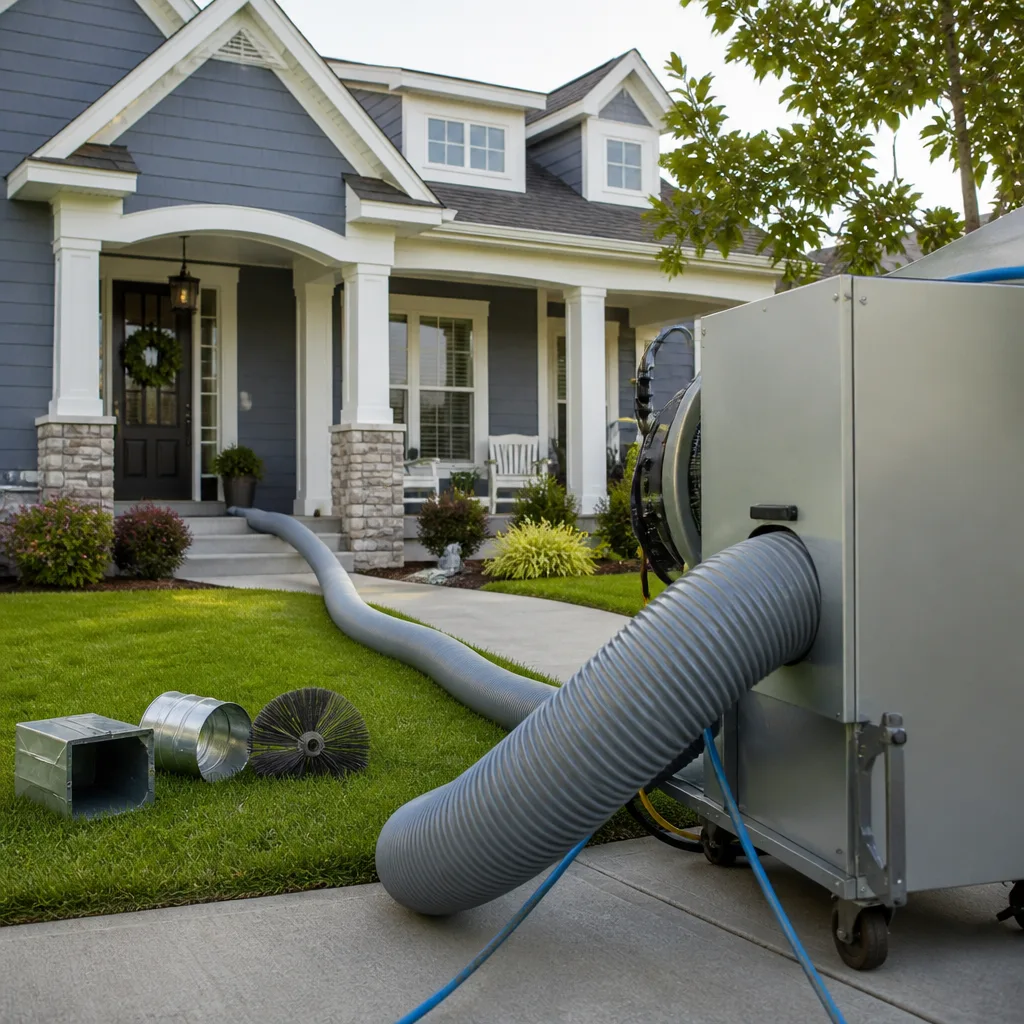
- Is the vacuum truck-mounted or portable? Truck-mounted systems generally produce more sustained suction and a larger collection capacity, which is an advantage on a full-home job. Portable professional units can do excellent work too, especially in tight access situations, but they need to be purpose-built for duct cleaning, not adapted from wet-dry vacs. Ask which one will be at your house.
- What brush system do you use? Source removal requires physical agitation inside the duct. Rotobrush systems use a rotating brush on a flexible shaft that travels the length of the run. Whip-based systems use air pressure and a flailing cord. The right answer depends on your duct type, but the contractor should be able to explain which they use and why.
- Do you carry a camera for inspection? A camera lets the technician see inside the duct before, during, and after cleaning. Without one, nobody, including the contractor, actually knows what’s been cleaned. Camera inspection capability is the difference between a job done blind and a job done with evidence.
We’ve seen these four answers separate serious operators from the rest more reliably than any badge. Our own technicians have up to 14 years of experience, and we run Rotobrush and Nikro systems on every job because the alternative isn’t a real clean. If you want to see how the process looks in practice, air duct cleaning lays out what a full job involves.
How to Read a Duct Cleaning Quote Correctly
A quote is a document, and it should read like one. The vague phrase “whole system clean” can hide almost anything: it might mean every register and trunk line, or it might mean the technician walked through with a vacuum hose attached to the closest supply vent for twenty minutes. The difference in the work is enormous, and the language is often identical.
Here’s what a legitimate quote for a Minneapolis home should include:
- The number of supply registers, return registers, and the main trunk lines included
- Whether the air handler or furnace cabinet is being cleaned
- The equipment being used (brand and type, if the contractor is serious)
- Whether camera inspection is included or an add-on
- Whether dryer vent cleaning is a separate line item
- A single total price for the scope described
A suspiciously low price is not a bargain; it’s information. In the Minneapolis market, a whole-home clean that undercuts every other quote by a wide margin almost always means one of two things: the scope has been quietly reduced, or a technician will arrive and explain that “the real work” costs more on site. That second scenario is the classic bait-and-switch, and it’s the reason homeowners in this trade are skeptical before the technician even knocks.
The honest model is one flat price per system, agreed in writing before work starts. That’s how we quote duct cleaning in Minneapolis: the estimate is free, the scope is stated line by line, and the written estimate sets the final price. No per-vent pricing games, no surprise line items.
Red Flags During the Job Itself
A careful look at the quote catches most problems before they start, but some only show up in the driveway. Watch for these three during the visit. None of them require technical knowledge to spot, and any one of them is a reason to stop and ask questions.
- Registers are not sealed before cleaning starts. Every open register is a hole through which loosened debris can escape into your rooms. A professional seals each register and creates negative pressure through a single collection point. An unsealed start means the dust leaves the duct and lands on your furniture.
- The air handler is never inspected. The furnace cabinet and blower are part of the system. A contractor who never opens the cabinet is cleaning around the dirtiest, most airflow-critical component. Ask to see the air handler before and after.
- The whole job finishes in under 90 minutes. A full-home clean on a larger Minneapolis house involves travel time, sealing, agitation, and collection on every trunk and run. The job can’t be done in a quick pass with any system that respects the process. A remarkably fast finish means something got skipped.
There’s a fourth signal, subtler than the others: no containment equipment. Professional setups use HEPA-level containment to keep debris from crossing into the living space. Abatement Technologies equipment is built for exactly that, and it’s a mark of someone who has thought about what happens to the dust after it leaves the duct.
What Legitimate Contractors Will and Won’t Guarantee
Ask a contractor what they guarantee, and pay attention to how carefully they answer. Duct cleaning isn’t a paint job; the result is partly defined by what was in the system before anyone touched it. A contractor who guarantees that all allergy symptoms will disappear, or that your bills will drop by a specific percentage, is guaranteeing something they can’t control. A contractor who guarantees the scope of work described, the equipment used, and a clean, contained job site is making a promise they can keep.
What’s reasonable to ask for:
- Before-and-after photos of your own ductwork and air handler
- A written scope of work that matches what appeared on the quote
- A statement of what equipment will be used on your home
- Post-job air quality testing, if your household has specific health concerns
That last item is worth pressing on. Homes with an occupant who has asthma, allergies, or another respiratory condition are exactly the homes where you want evidence that the work improved the air, not just that someone ran a machine for an hour. A company confident in its process will welcome a post-job test. A company that resists one is telling you what it thinks the test will show.
We work with trusted indoor air quality brands Honeywell and Aprilaire, and we don’t see testing as a threat. If the work is real, the numbers should reflect it.
Minneapolis Climate, Older Housing, and Why Duct Condition Varies So Much
Minneapolis is a forced-air city, and its housing stock explains a lot. A large share of the homes in the city’s older neighborhoods were built with ductwork configurations that predate modern HVAC design, and many have been retrofitted, extended, or rerouted over the years. Ductwork in a Minneapolis house can be a mix of original trunk lines, added flexible runs from a remodel, and transitions that were never sealed properly. That’s exactly why the CFM question matters more here than it would in a newer subdivision with short, tight, uniform runs.
The local climate adds another layer. Minneapolis summers are humid enough that the basement and crawlspace runs stay damp, which encourages the biological growth that turns into musty odors when the system runs. Winter then brings dry air and a house closed tight for months, which recirculates whatever is in the ducts through the living space far more often than a mild climate would. Heating season pulls debris from the return side back into circulation on every cycle.
This is why we treat duct condition as a per-home judgment rather than a calendar rule. In neighborhoods like Powderhorn, Longfellow, or the older stretches of Northeast Minneapolis, the age and complexity of the duct system shape the work far more than the number of years since the last clean. If you want a closer look at how that plays out in the city specifically, the Minneapolis page covers local conditions in more depth.
Cleaning vs. Repair: Knowing Which One You Actually Need
Some duct problems don’t respond to cleaning at all. A disconnected joint, a crushed flex run, or a gap where a trunk line meets the trunk is leaking air into a silent location (a wall cavity, an attic, a basement joist space) every time the system runs. Cleaning that duct just moves debris past the gap. The real fix is repair, and it’s a different job with a different scope.
How to tell which one you need:
- Ask about airflow room-to-room. If some rooms are consistently stuffy while others are comfortable, the problem may be a dead or disconnected run, not dirty duct.
- Ask the technician to check for leaks and gaps. A camera and a careful look at accessible joints will find them. We offer Air Duct Repair for exactly this reason, because most companies only clean and the homeowner is left with the same comfort problem afterward.
- Ask whether the air handler has been opened. A weak blower or dirty evaporator coil can mimic a duct problem. Repair work and cleaning both depend on knowing what’s actually happening at the cabinet.
In our experience, a large share of the comfort complaints we respond to in Minneapolis trace back to compromised ductwork, not cleanliness. Cleaning is not a substitute for repair, and a contractor who only offers cleaning will clean around the problem.
The Dryer Vent Question Most Contractors Skip
The dryer vent is a separate system from the ductwork that heats and cools your home, but it’s the one with the highest safety stakes. Lint accumulation in a dryer vent reduces airflow, causes the dryer to run hotter, and is a leading cause of residential fires. A contractor quoting duct cleaning for a Minneapolis home and walking past the dryer without a word has left the most important system in the house untouched.
Ask two things:
- Is dryer vent cleaning part of the scope, or a separate service?
- Does the technician inspect the full run from the dryer to the exterior termination point?
We treat dryer vent cleaning as a fire-safety service in its own right, not an add-on to pad the ticket. It’s worth scheduling even if your main ductwork is clean. If you want to compare our broader approach to what a full-service shop looks like, Clover Air Duct Cleaning explains the three services we run: cleaning, repair, and dryer vent safety.
Common Mistakes to Avoid
- Booking on price alone. In a city with no licensing barrier, the cheapest quote often comes from the operator least equipped to do the job. Price is a signal; read it as one.
- Accepting “whole system clean” as a scope. That phrase can mean anything. Ask for a line-item quote with register counts and trunk lines spelled out.
- Never asking which vacuum will be at the house. CFM rating and truck-mount vs. portable determine whether the job can hold negative pressure on a larger Minneapolis system. Ask before you book.
- Letting the tech start without sealing registers. If debris can escape, it will. Watch for sealing first, every time.
- Skipping the air handler. A duct cleaning that never opens the furnace cabinet missed the dirtiest part of the system.
- Ignoring the dryer vent. Lint in the dryer vent is a house fire risk, and it’s the most commonly skipped line item on a duct cleaning visit.
- Skipping post-job verification. Before-and-after photos of your own ducts, or air quality testing for homes with respiratory concerns, are reasonable requests. A confident contractor will supply both.
See the difference
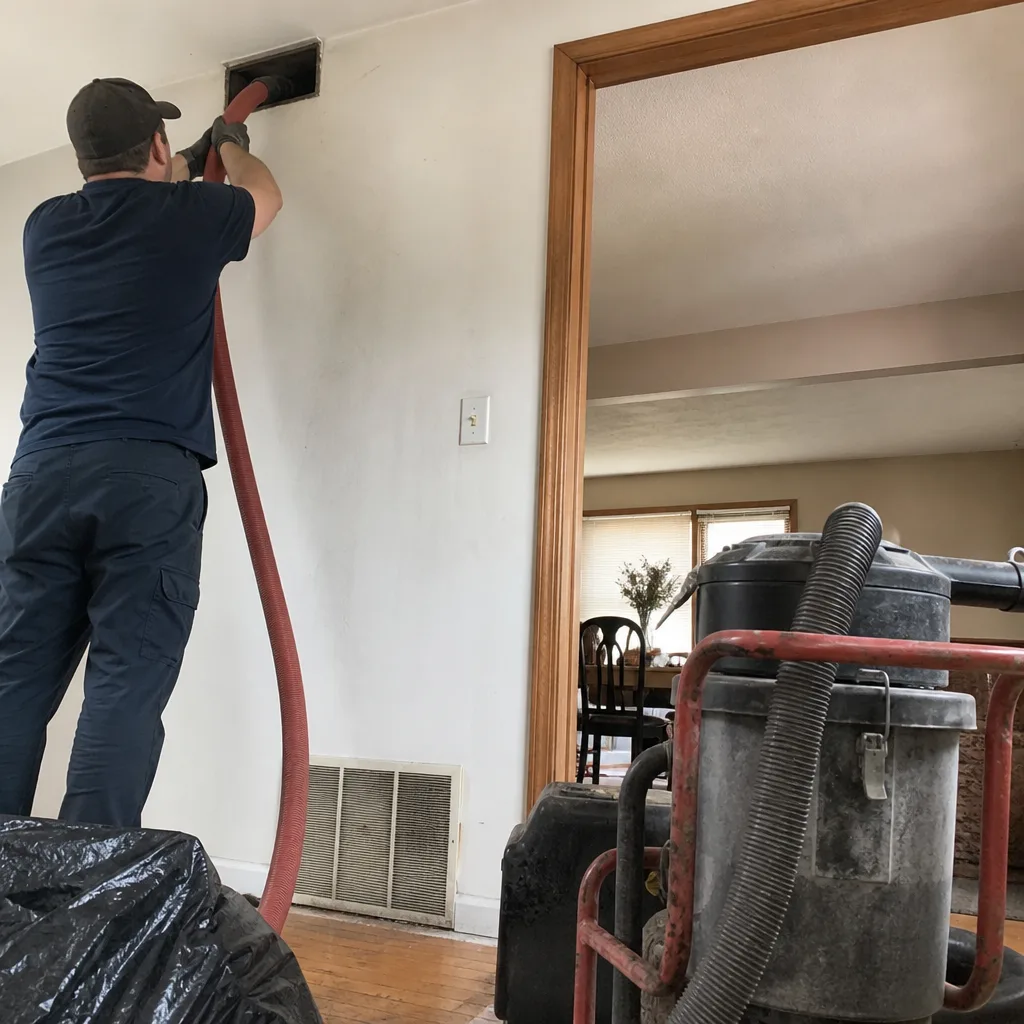 Before
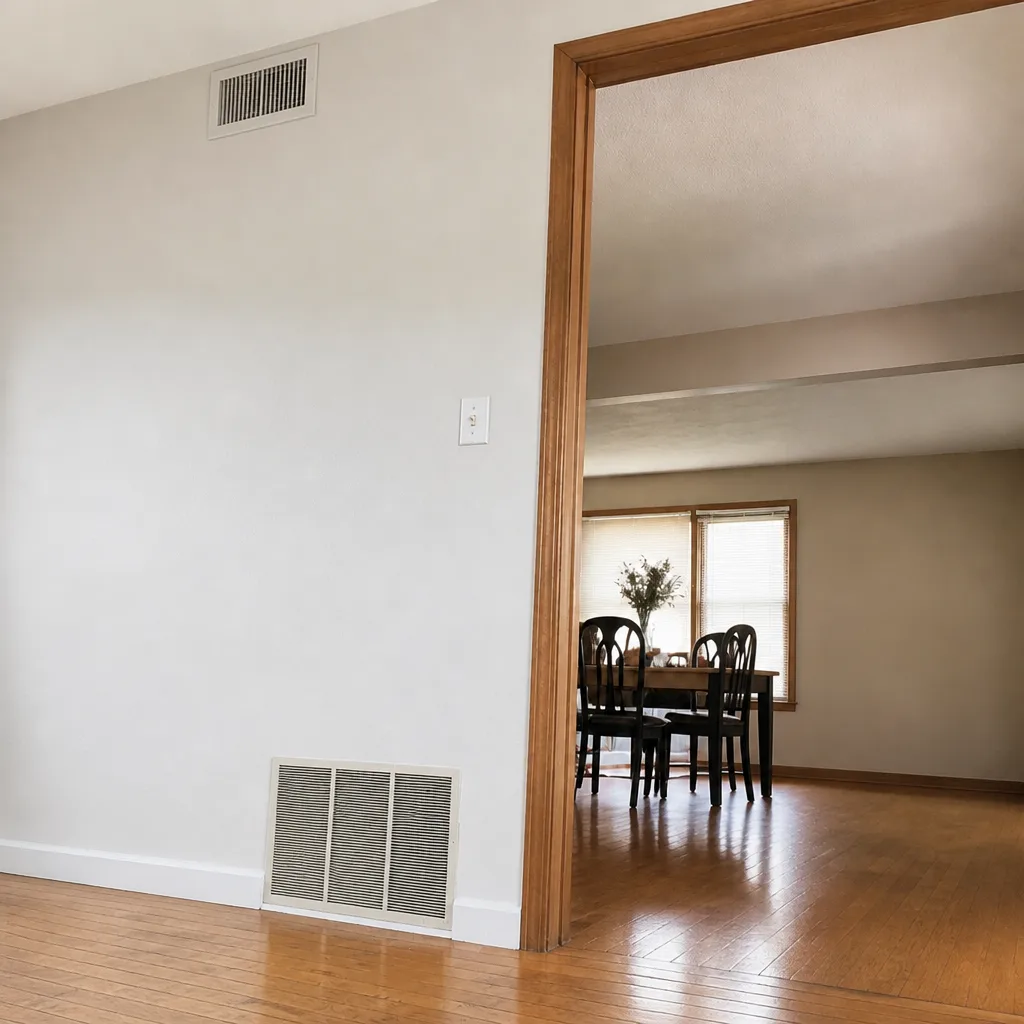 After
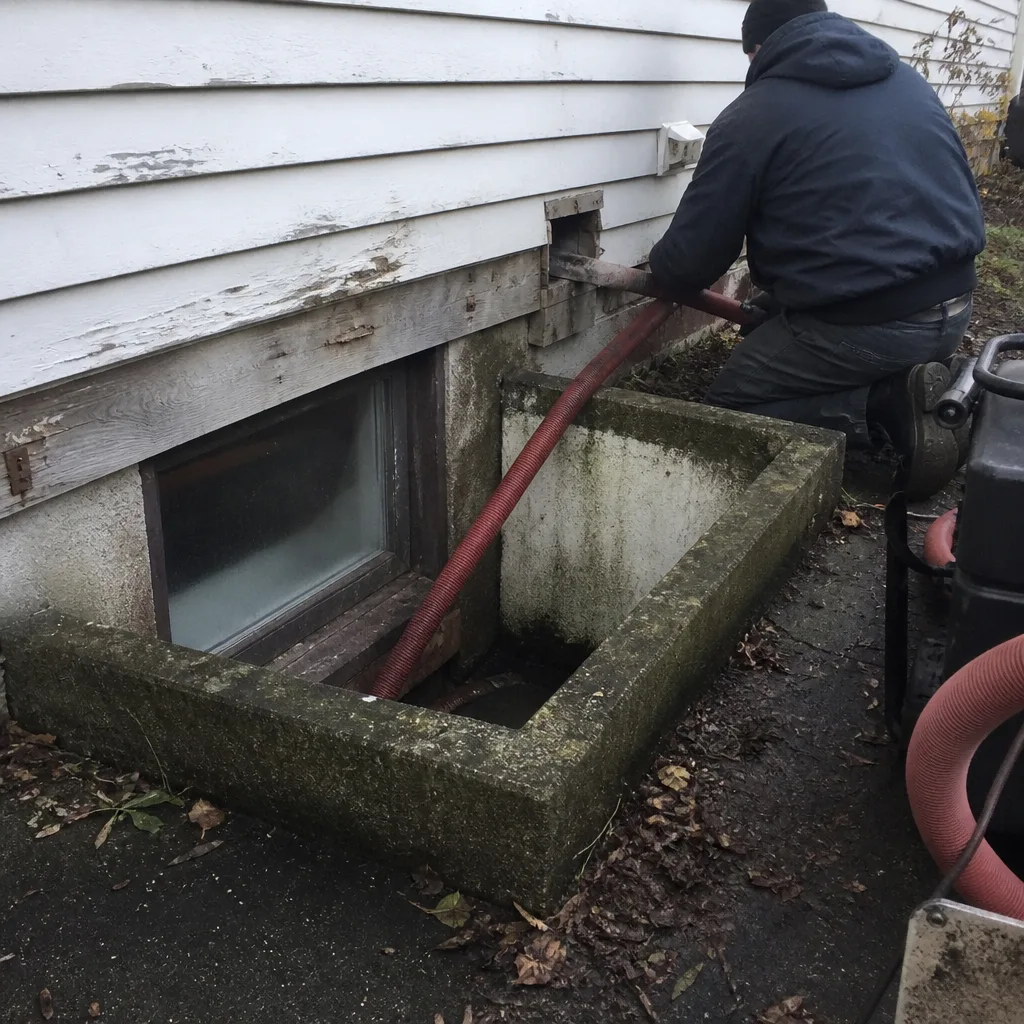 Before
 After
 Before
 After
When to Call a Professional
You should call a professional when the signs point to a system problem rather than surface dust. If specific rooms stay stuffy while others are fine, if you’re seeing a visible dust plume at the registers when the heat kicks on, if the house smells musty when the air handler starts, or if the dryer takes noticeably longer to dry loads, those are signals worth a professional look. Homes with occupants who have asthma or allergies, or with pets and recent remodeling dust, also justify an assessment on air-quality grounds. Compromised ductwork and lint-choked dryer vents are not DIY territory; the equipment and the containment setup are what separate a real clean from a cosmetic one. Clover Air Duct Cleaning offers free estimates in Minneapolis. Call (844) 320-5410. We answer 24/7. Fast dispatch from 7am to 7pm, Sunday through Friday.
Frequently Asked Questions
Air duct cleaning in Minneapolis is priced per system rather than per vent, and the written estimate sets the final price. A whole-home clean typically depends on the number of registers, trunk lines, and whether repair or dryer vent cleaning is bundled in. We quote one flat price for the stated scope, agreed before work starts, so the number on the quote is the number on the invoice. Call (844) 320-5410 for a free estimate; the written estimate is the final word on price.
Because the scope is often smaller than it looks. A suspiciously low quote usually reflects either a reduced scope hidden behind “whole system clean,” or a technician who will arrive and upsell the actual work on site. The cheapest estimate is also the one most likely to come from an operator using a consumer-grade vacuum rather than a Rotobrush or Nikro system. Ask the four equipment questions before you book, and call (844) 320-5410 if you want a quote you can compare line by line.
You ask for evidence. Before-and-after photos of your own ductwork and air handler are reasonable, and camera inspection capability means the technician saw the inside of the duct rather than working blind. Post-job air quality testing is also fair to request, especially in homes with health concerns. A contractor confident in the process will supply all three. Call (844) 320-5410 to schedule a job where the evidence is part of the service.
There’s no universal calendar rule, and any contractor who quotes one is simplifying. In a Minneapolis home, the answer depends on the age and configuration of the ductwork, whether there’s been recent remodeling, pets in the house, and whether anyone in the household has respiratory concerns. A home with compromised ductwork may need repair rather than a scheduled clean. Call (844) 320-5410 and we’ll assess the system rather than push a frequency.
No. Minnesota does not license duct cleaning as its own trade, which means there’s no state-mandated equipment standard or examination for contractors working in Minneapolis. That’s why the four equipment questions in this guide matter more than any certification badge. Verify the vacuum CFM rating, truck-mount or portable setup, brush system, and camera inspection capability before booking. Call (844) 320-5410 if you’d like those answers from us directly.
Yes, and it’s the safety item most often skipped. Lint in the dryer vent is a leading cause of residential fires, and the vent isn’t part of the HVAC ductwork, so it’s easy to leave out of the scope. Ask specifically whether the full run from the dryer to the exterior termination is included. Call (844) 320-5410 to add dryer vent cleaning to a duct cleaning visit in Minneapolis.
The Bottom Line
Hiring a duct cleaning contractor in Minneapolis is an equipment and documentation exercise, not a certification-hunting one, because Minnesota doesn’t license the trade. Ask the four questions: CFM rating, truck-mount or portable, brush system, and camera inspection. Read the quote for line items, not slogans. Watch for sealed registers, an inspected air handler, and a job that takes the time a real clean requires. Ask about dryer vent safety, because it’s the part of the visit with the highest stakes. One flat price per system, agreed before work starts, with before-and-after photos of your own ducts, is what a serious contractor offers. Everything else is a detail worth pressing on.
If you’d like those questions answered directly, Clover Air Duct Cleaning works in Minneapolis and offers free estimates. Call (844) 320-5410. We answer 24/7. Fast dispatch from 7am to 7pm, Sunday through Friday. Our technicians have up to 14 years of experience, we run Rotobrush, Nikro, and Abatement Technologies equipment on every job, and we clean it, fix it, and clear it as three distinct services.
Written by the team at Clover Air Duct Cleaning.