
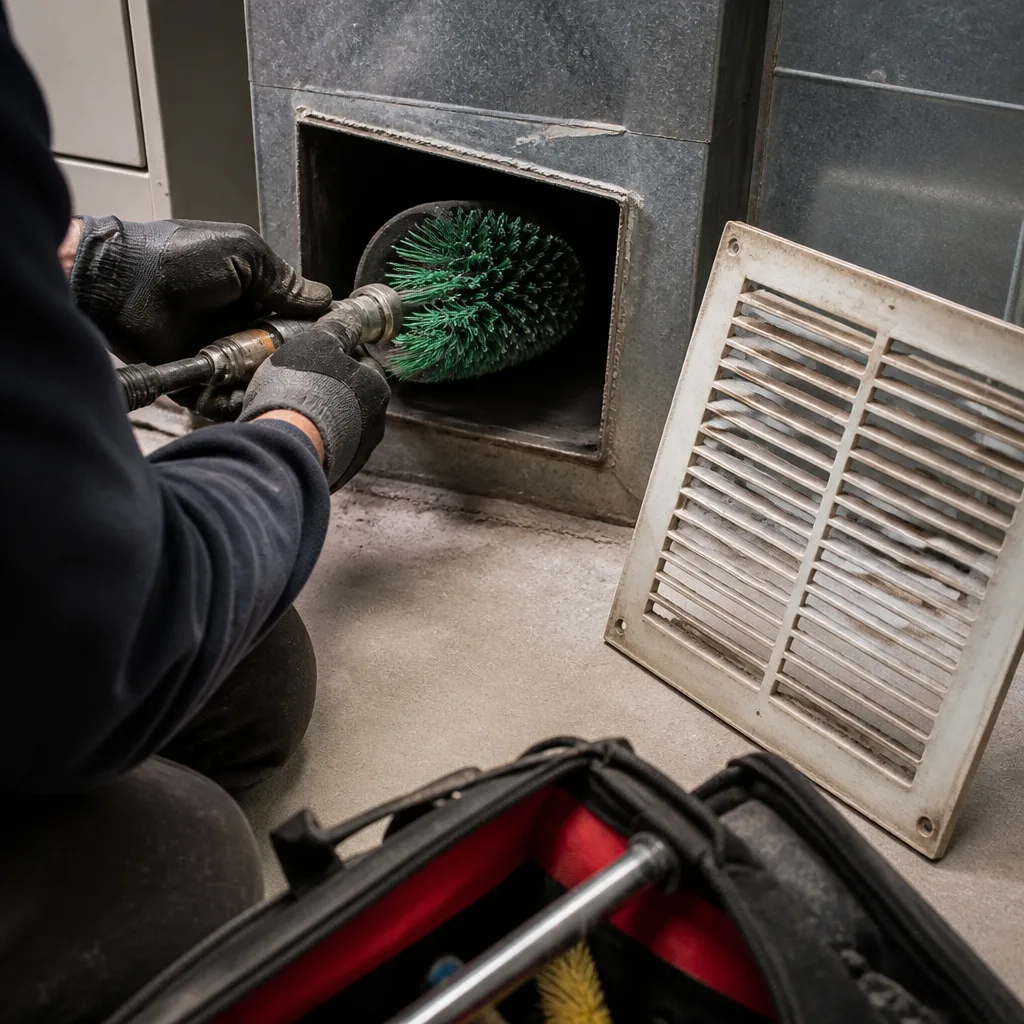
Last updated November 16, 2026
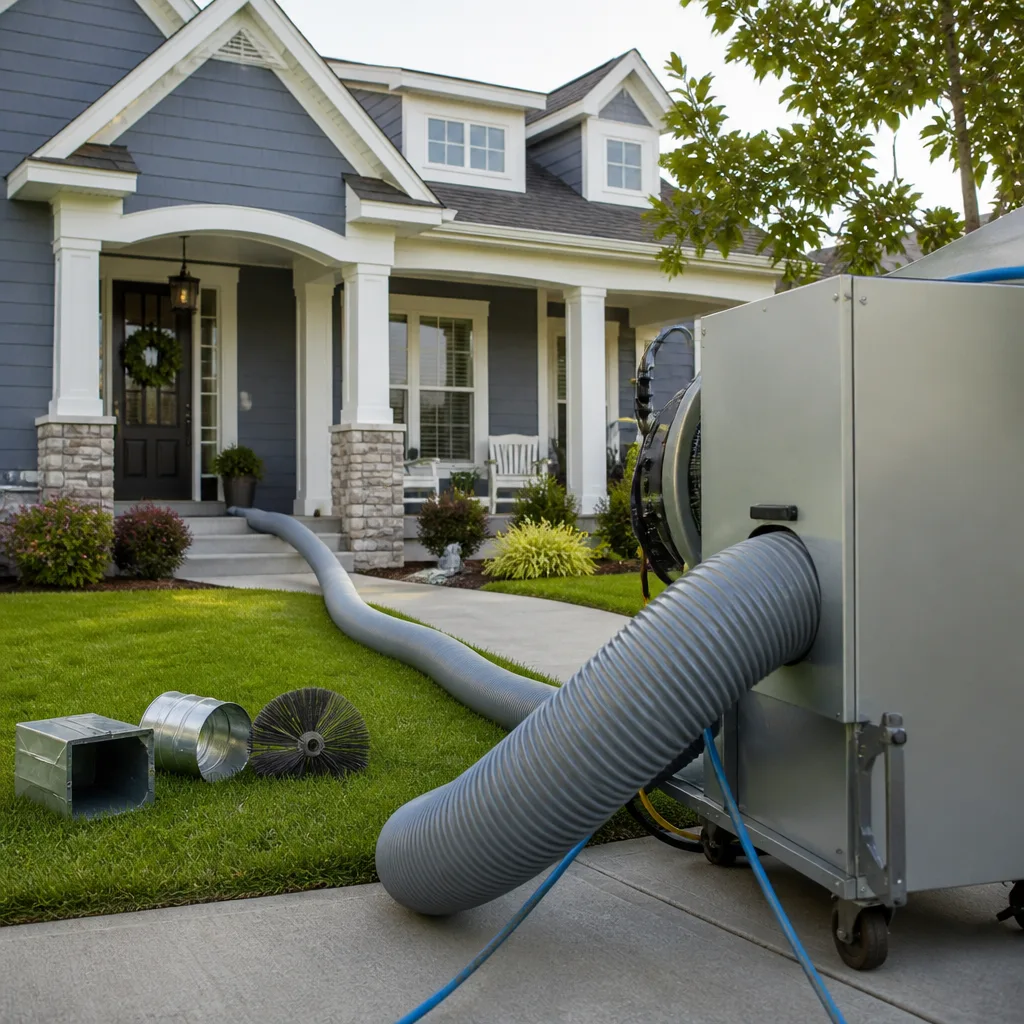 Whole-home duct cleaning
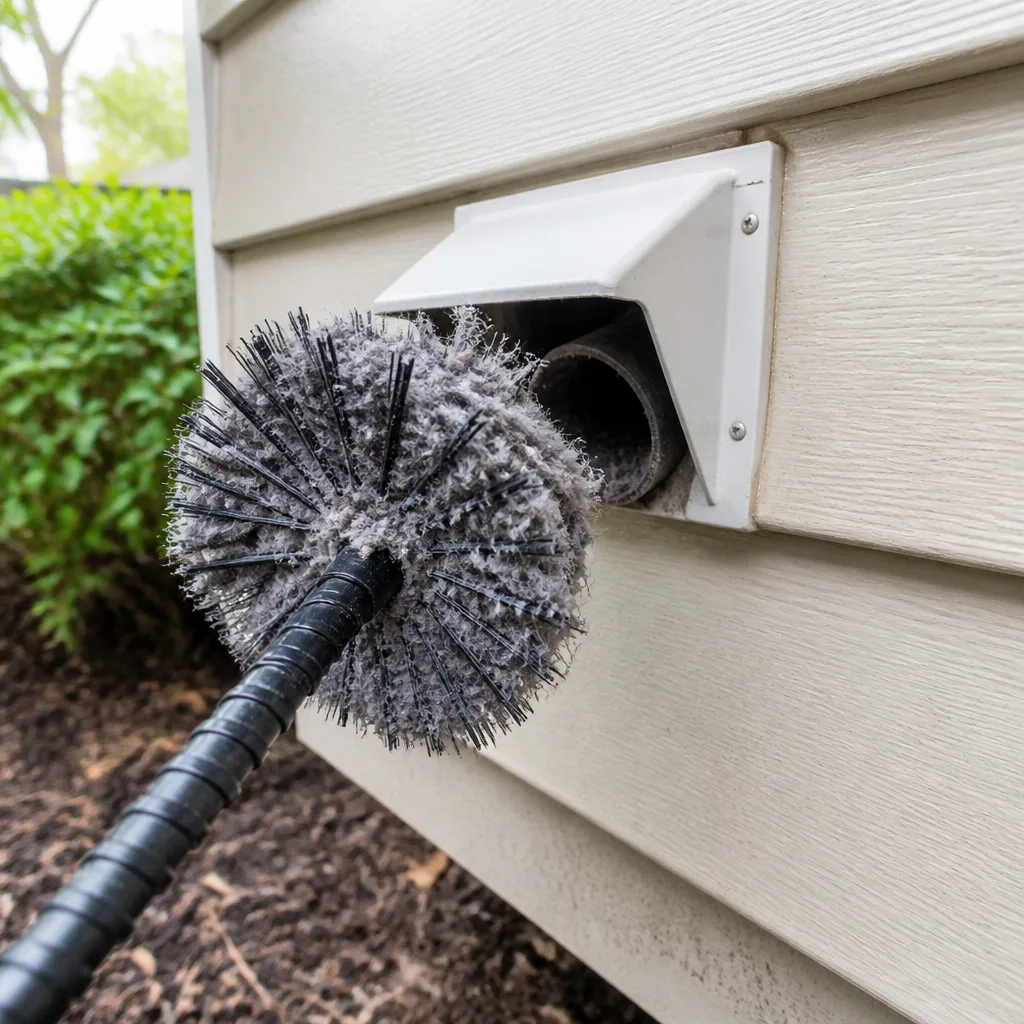 Dryer vent cleaning
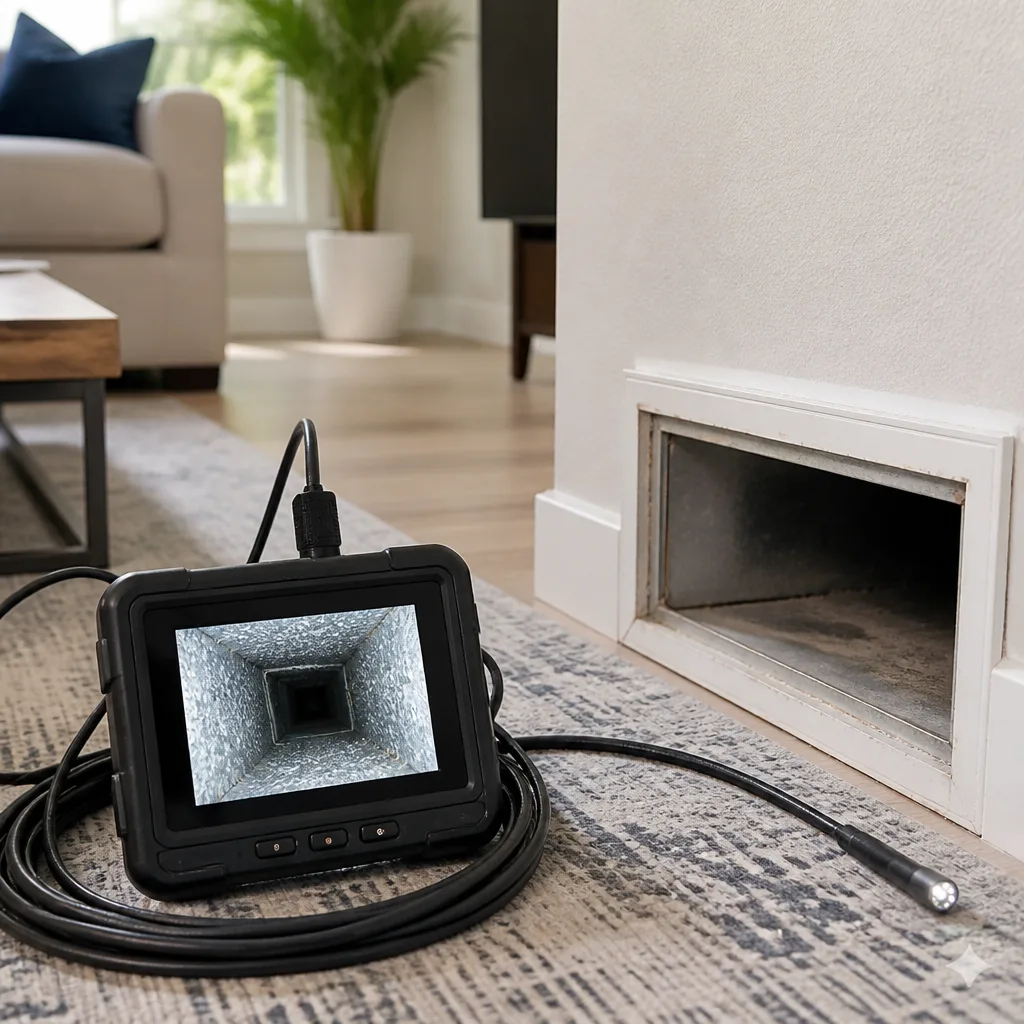 Camera inspection
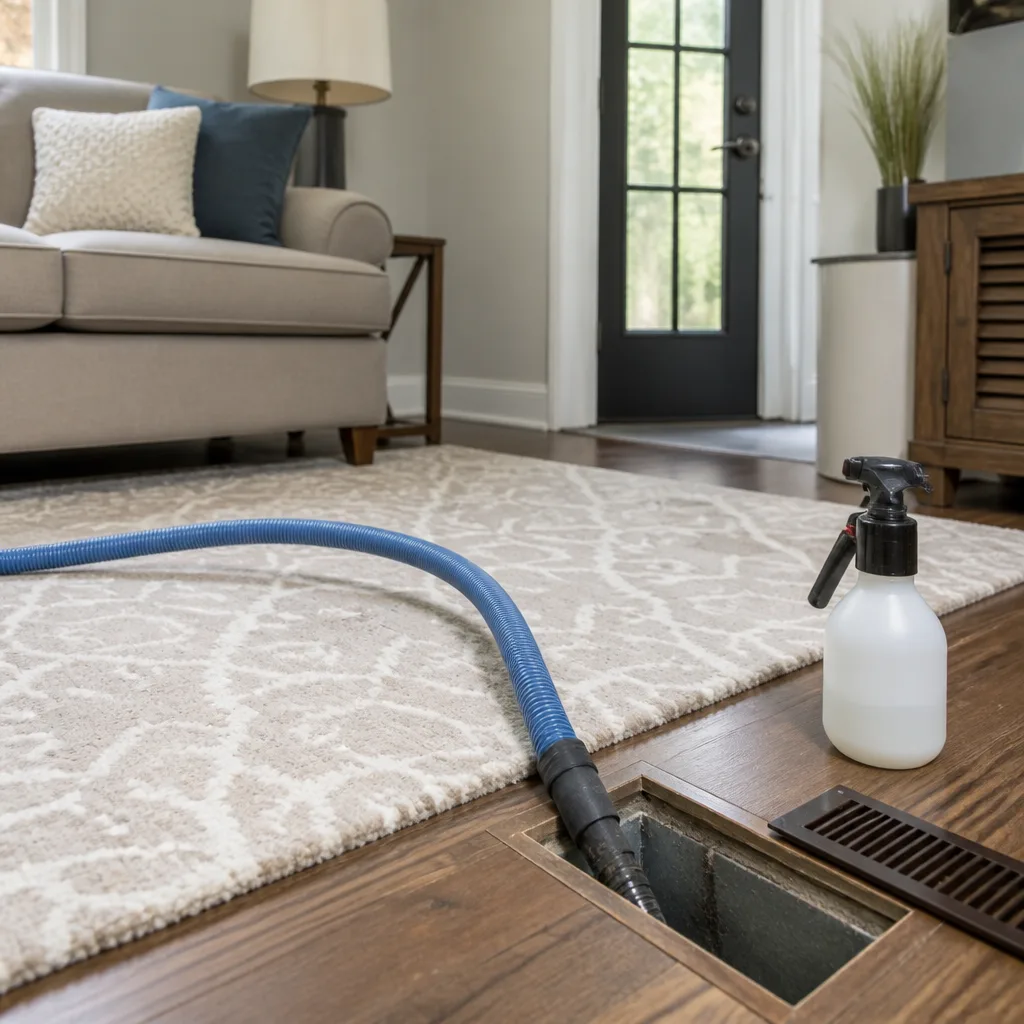 Sanitizing & deodorizing
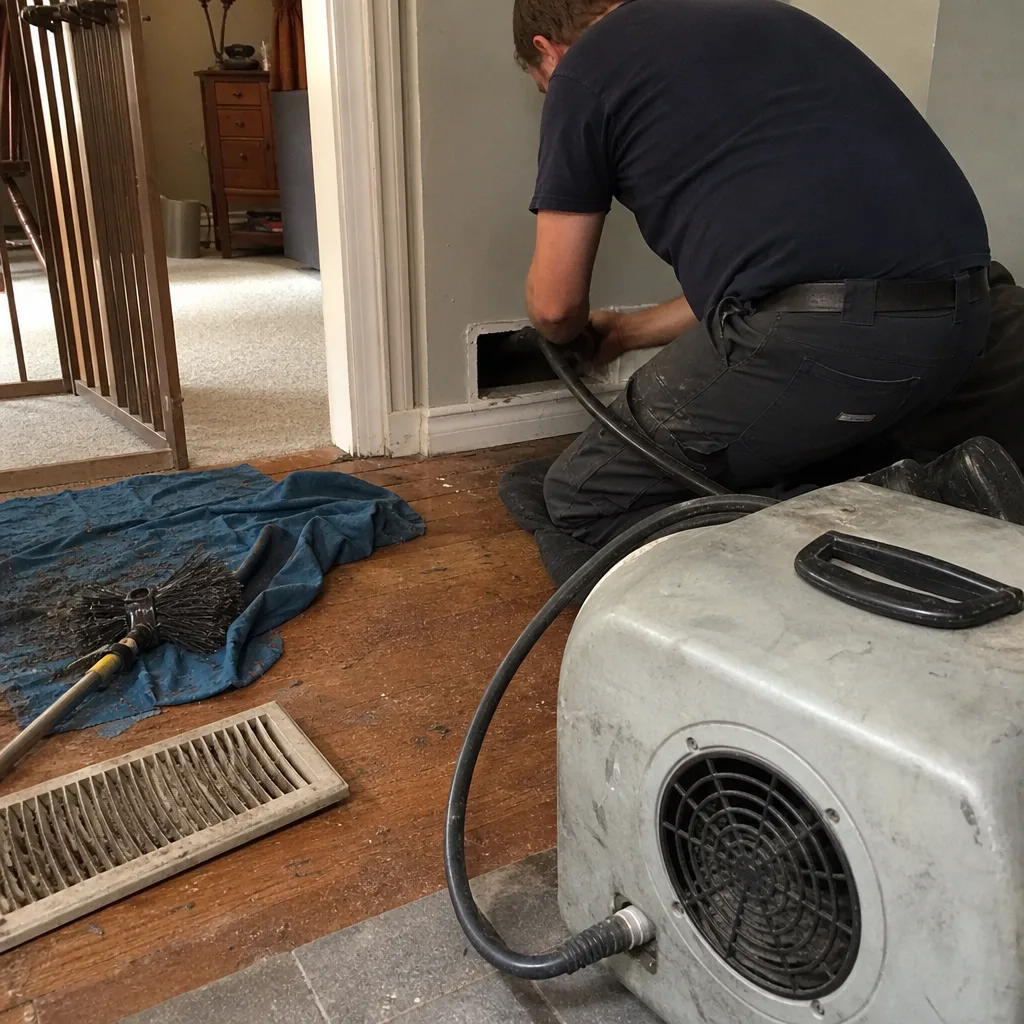
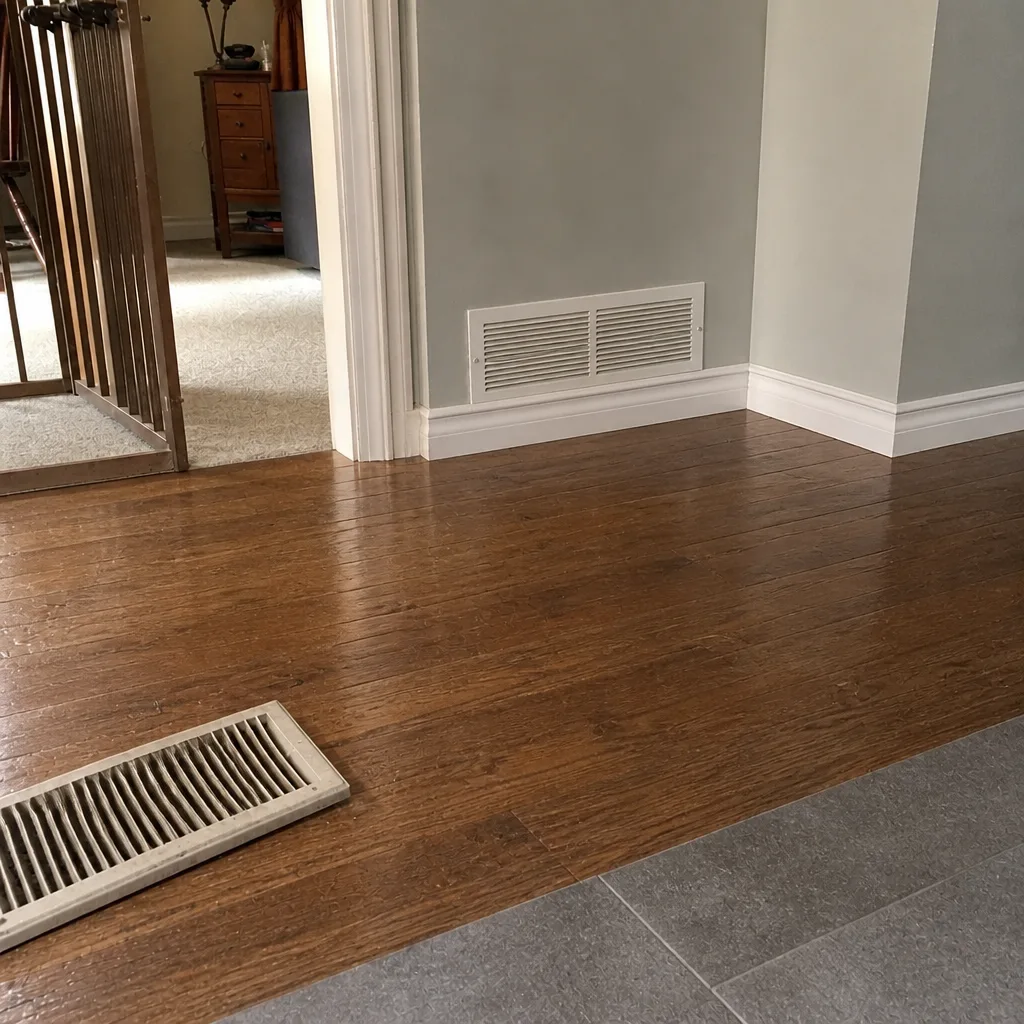
Whole-system duct and dryer vent check with before-and-after photos - you see exactly what came out of your vents
That "$99 whole-house special" is a bait ad - the real number appears once they are in your hallway, or the "clean" is a shop-vac at the register. We photograph the inside of your ducts before and after instead.
Choosing the Right Air Duct Cleaning Brand: A Buyer’s Guide for Minneapolis
Here’s a fact that surprises most homeowners: air duct cleaning has no brand that guarantees a good outcome. The same franchise logo can sit on a truck with a properly sized vacuum system and on a truck with little more than a shop vac and a brush. A name tells you almost nothing about what shows up in your driveway. In Minneapolis, where older housing stock and long heating seasons put real demands on ductwork, that gap matters. What separates one company from another isn’t branding. It’s equipment class and service scope. This guide shows you how to tell the difference before you book.
Quick Answer
The right air duct cleaning company is the one that owns professional-grade equipment capable of cleaning a full system, documents the work with before-and-after photos, and can repair and inspect ductwork rather than only clean it. In Minneapolis, that means asking about machine class, containment practices, and whether the company handles dryer vents and duct repair under one roof. A familiar logo is not a substitute for that vetting.
Styles & brands we work with
- Whole-home duct cleaning
- Dryer vent cleaning
- Camera inspection
- Sanitizing & deodorizing
Table of Contents
- Why Equipment Class Matters More Than Brand Name
- Franchise vs. Independent: The Wrong Question
- The NADCA Membership Question, Unpacked
- How to Read Reviews and Complaint History
- What “Full-Scope” Capability Actually Means
- The Local Operator Advantage in Minneapolis
- The Questions to Ask Before You Book
- Dryer Vents: The Overlooked Half of the Job
Why Equipment Class Matters More Than Brand Name
Duct cleaning has no equivalent of a furnace manufacturer or an appliance brand whose label tells you the quality of the outcome. Nobody stamps a seal on the work after it’s done. So the question shifts from “which brand?” to “which class of equipment is coming into my house, and can it finish the job?” That distinction is the whole ballgame on a larger Minnesota home.
Professional duct cleaning depends on three things: a vacuum powerful enough to pull the whole system under negative pressure, agitation tools that loosen debris from duct walls, and containment so that loosened debris doesn’t end up in your living room. Cheap operations usually skip one or more of these. A shop vac attached to a register can move some surface dust and call it cleaning, but it can’t evacuate a trunk-and-branch system spread across a two-story house.
We run Rotobrush and Nikro systems on every job, plus Abatement Technologies equipment for HEPA-level containment during cleaning. Those names matter because they’re purpose-built for ducts, not repurposed from general housekeeping. When you’re comparing companies in Minneapolis, ask what machines they use and whether the vacuum is rated for the system size in your home. A company that answers clearly and quickly is usually the one that has invested in the right hardware. A company that deflects is telling you something too.
Here’s the practical test: a properly equipped crew can put the entire duct system under negative pressure before agitation begins. If a company can’t describe how they do that, expect debris to settle somewhere you’d rather it didn’t. This is the first filter to run on any Clover Air Duct Cleaning comparison or any other company you’re weighing.
Franchise vs. Independent: The Wrong Question
Homeowners often frame the search as franchise versus independent, as if one category is reliably better. It isn’t. Franchises vary wildly in equipment and training from location to location. Independents range from one-person operations with a shop vac to specialists carrying truck-mounted vacuums and full containment gear. The category label tells you nothing about the crew that shows up.
A more useful frame is equipment-class versus equipment-class. Ask:
- What class of vacuum does the crew bring, and is it sized for my square footage and duct layout?
- Do they carry agitation tools (rotary brushes, air whips, or similar) suited to my duct material?
- Is HEPA containment part of the setup, or do they open registers and rely on window fans?
- Do they inspect before and after, and can they show me what they found?
On a large Minneapolis home, especially a two-story with long trunk runs and multiple returns, the difference between a properly sized system and an undersized one is the difference between a finished clean and a half-measure. An undersized vacuum still leaves debris behind on the trunk walls. That’s not a knock on franchises or an endorsement of independents. It’s a reminder to ask about the machine, not the logo. And it’s why Minneapolis homeowners comparing quotes should weight the equipment list as heavily as the price.
When you screen companies this way, you stop arguing about branding and start comparing what actually matters: capability. That’s a more honest comparison, and it protects you from paying for a service that can’t really be delivered at your house.
The NADCA Membership Question, Unpacked
You’ll hear NADCA referenced constantly in duct cleaning discussions. NADCA is the National Air Duct Cleaners Association, and membership signals that a company has opted into an industry body and, depending on membership level, may hold certifications like the Air Systems Cleaning Specialist credential. That’s a real signal, and it’s worth checking.
What it doesn’t do is guarantee a good job on your house. Membership is a starting point, not a finish line. The reason is simple: the standard a company is held to is only as good as how well it follows through, and no association can supervise the work in your basement. So treat NADCA membership as one data point among several.
Pair it with these additional checks:
- Ask if the crew on your job holds individual certifications, not just the company.
- Request that they follow the industry standard for assessment, cleaning, and post-cleaning verification.
- Confirm they carry insurance and liability coverage.
- Look at their BBB record to see how complaints were handled.
- Ask for before-and-after photos from a similar home, ideally a similar size and duct configuration.
Membership plus these checks gives you a fuller picture. Membership alone leaves gaps. In practice, a company that can answer all five questions clearly is signaling the kind of operational discipline that shows up on the job, not just on the association roster.
How to Read Reviews and Complaint History
Review counts and star averages get gamed easily. A five-star average across a handful of short, glowing reviews tells you far less than the language and detail of a handful of longer, specific ones. Read for substance, not score.
Look for review language that indicates actual work:
- Descriptions of what the crew did (negative pressure, containment, before-and-after photos).
- References to specific problems solved, like a return line that had been blocked or a dryer vent that was clogged.
- Mentions of how duct repair was handled alongside cleaning.
- Accounts of how a problem was resolved when something went wrong.
Generic praise (“great service, very friendly”) is fine as far as it goes, but it doesn’t tell you whether the job was done with real equipment. Specific praise does. So does specific complaint language. A pattern of reviews mentioning debris left behind, surprise upcharges, or technicians who couldn’t explain what they were doing is a red flag worth heeding.
BBB complaint history is worth checking separately from public reviews, because BBB tends to record how businesses respond to complaints, not just that a complaint existed. A company that answers complaints directly and describes how it fixed the issue is more reassuring than one with no record at all. And in a market as competitive as Minneapolis, a company that documents its work in reviews and photos is usually the one doing serious work. Request before-and-after photos of your own ducts either way.
What “Full-Scope” Capability Actually Means
Many duct cleaning companies can only clean. They pull debris out, then leave problems in place: a disconnected run, a crushed flex duct, a return that’s leaking into an unconditioned space. Cleaning that ignores compromised ductwork is only half a job. “Full-scope” means the company you hire can inspect, clean, repair, and handle related services without subcontracting or turning you away.
In practical terms, a full-scope operation in Minneapolis can:
- Clean: put the system under negative pressure and agitate every reachable run with professional equipment.
- Inspect: check ductwork for leaks, disconnections, and crushed sections, and tell you what they found.
- Repair: fix or replace compromised duct sections rather than cleaning around them.
- Clear dryer vents: clean the dryer exhaust line, which is a leading cause of residential fires and deserves the attention it rarely gets.
- Advise on indoor air quality: work with trusted IAQ brands like Honeywell and Aprilaire to help you think about filtration and humidity, not just debris removal.
The dividing line is simple: companies that subcontract or decline non-cleaning work leave you to hire two or three separate providers. Companies that handle it under one roof save you the coordination and keep accountability in one place. When you’re comparing quotes in Minneapolis, ask directly whether repair and dryer vent work are in-house. The answer tells you how much of the job will actually get done.
The Local Operator Advantage in Minneapolis
National franchises are built to run the same playbook in every market. That works well for some services and poorly for ductwork, because ductwork is shaped by local housing stock and climate. Minneapolis is a good example. Its older neighborhoods, from the bungalows near the lakes to the century-old homes in Powderhorn and the standalone single-family houses throughout Northeast, often have duct configurations that predate modern system sizing. Longer heating seasons mean the system runs more months of the year, and humidity swings between winter dry cold and summer muggy spells put stress on duct connections.
An operator familiar with this local picture brings practical value a distant franchise rarely matches. They know that pre-1980 duct layouts often run through tight chases, that older homes frequently mix duct materials, and that a clean on a 1920s Minneapolis house requires different handling than a clean on a newer build in the suburbs. They also know how long a full-system clean takes in the local market, which affects what a fair price looks like.
That familiarity shows up best in air duct cleaning where the crew adapts its tools to what’s actually in the walls. And it extends to dryer vent cleaning, where a company that knows local basement and laundry configurations can tell quickly whether a vent run is safe or whether lint buildup is heading toward a problem. A local specialist isn’t automatically better than a franchise, but the odds of a well-matched job improve when the crew has worked on the kind of house you own.
The Questions to Ask Before You Book
You don’t need to know the industry inside out to screen a company. You need a short list of questions and a sense of how they answer them. Clear, specific answers are a good sign. Vague or defensive answers are not.
- What class of vacuum will you use, and is it sized for my home? A company that can name its equipment and explain negative-pressure setup is equipped to finish the job.
- How do you contain debris during cleaning? Listen for HEPA containment and sealing of registers.
- Will you inspect and repair compromised ductwork, or just clean? Full-scope companies handle repair, not just cleaning.
- Do you clean dryer vents too? Dryer vent cleaning is a fire-safety service and shouldn’t be an afterthought.
- Can I see before-and-after photos of my own ducts? Documentation of your system, not stock photos, tells you the work was done.
- What does the written estimate include, and is the price per system or per vent? A flat price agreed before work starts is the honest model.
Run these same questions past any company you’re considering in Minneapolis. The ones that answer all six without hesitation are the ones worth a call back. The ones that get cagey on equipment or pricing are worth moving past.
Dryer Vents: The Overlooked Half of the Job
Dryer vent cleaning is the part of this trade that most companies ignore, and it’s the one with the clearest safety stakes. A clogged dryer vent traps lint, restricts airflow, and can push a dryer into a dangerous heat cycle. It’s a leading cause of residential fires, and it’s a job that deserves to be part of any full-system service you book in Minneapolis.
Because it’s often skipped, ask the company you’re hiring whether dryer vent cleaning is in-house or a referral. A company that handles it directly is treating household safety as part of the job, not an upsell. We approach it that way because a duct system that’s clean while the dryer exhaust is loaded with lint isn’t actually a safe system. It’s a clean one with a hidden problem.
If you’re already booking a full-system clean, this is the moment to ask. Bundle questions, if you have them, go to the company directly rather than to us, but the key point is that vent safety should be part of the conversation. A company that can clear the dryer exhaust and check the duct system in one visit gives you a single point of accountability for the whole job.
Common Mistakes to Avoid
- Choosing on brand name alone. A franchise logo says nothing about whether the crew has a properly sized vacuum for a larger Minneapolis home. Ask about the equipment before the brand.
- Booking on a per-vent price. Per-vent pricing encourages fast, shallow work. A flat price per system agreed before the job starts is the more honest model.
- Skipping the containment question. Duct cleaning that doesn’t control debris can leave dust in your living space instead of in the vacuum. Ask how they contain it.
- Ignoring dryer vents. A clean duct system with a lint-choked dryer vent is still a fire risk. Ask whether dryer vent cleaning is included or available.
- Not asking about duct repair. Cleaning a broken or disconnected duct run makes the system look cleaner without fixing the underlying problem. Ask whether repair is in-house.
- Trusting reviews without specifics. Generic five-star reviews can’t tell you whether real work was done. Look for detail and before-and-after documentation.
- Assuming a distant franchise knows your house. Pre-1980 duct layouts in Minneapolis neighborhoods like Powderhorn and Northeast behave differently from newer builds. Local familiarity matters.
See the difference
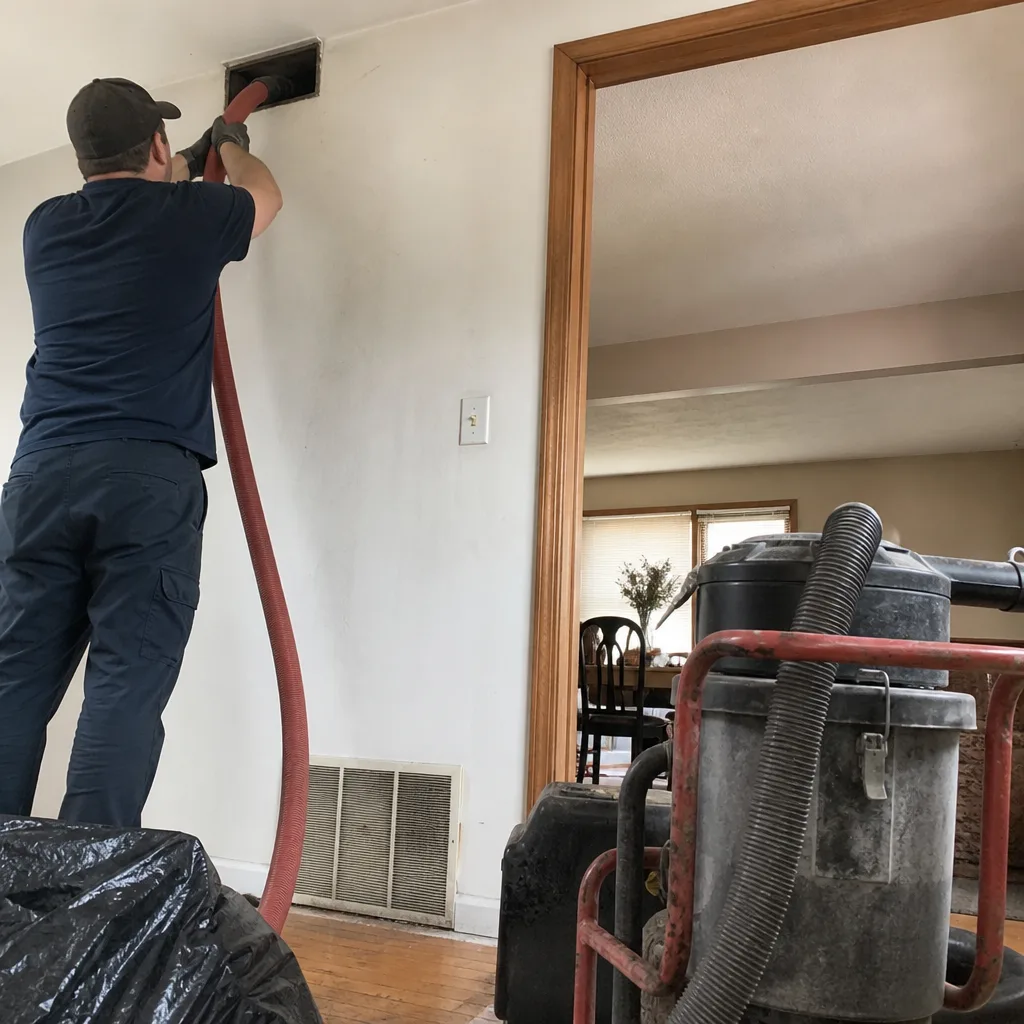 Before
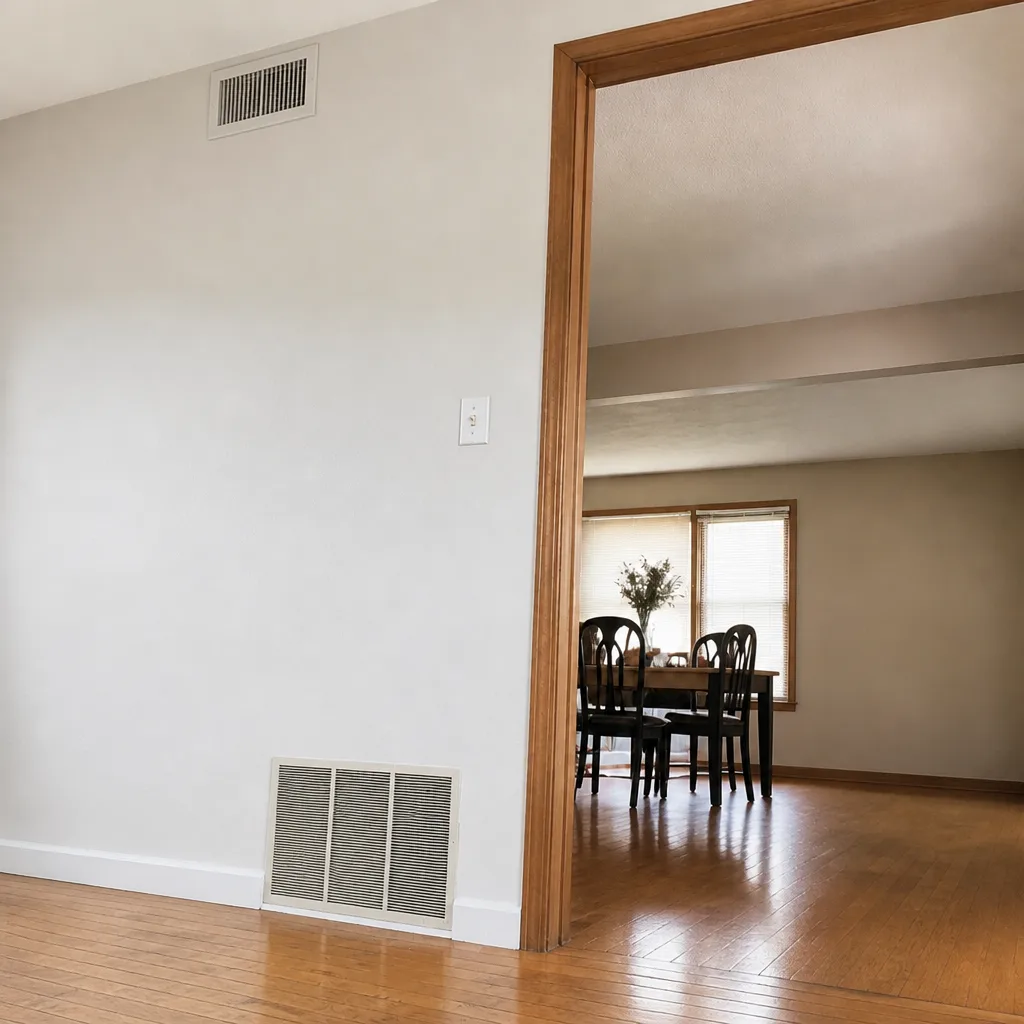 After
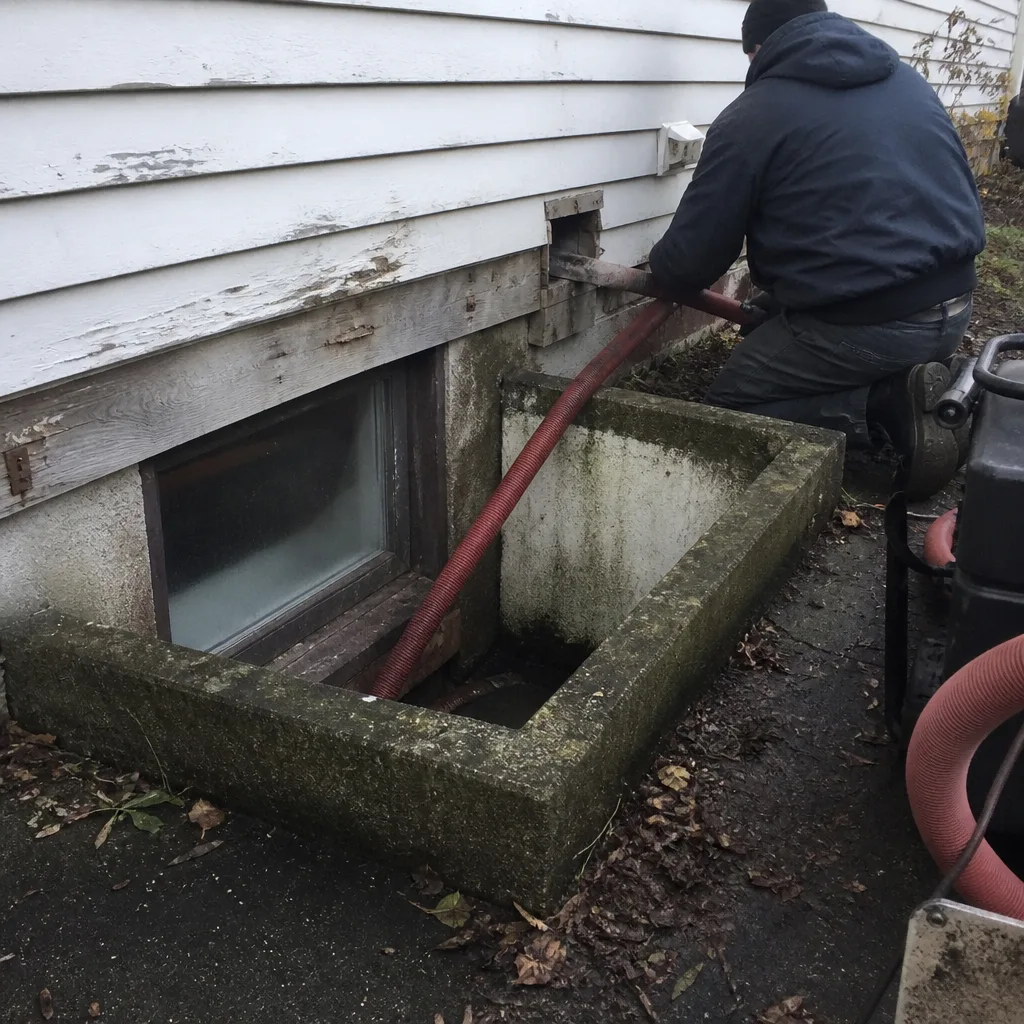 Before
 After
 Before
 After
When to Call a Professional
You should call a professional when you notice persistent dust on surfaces shortly after cleaning, when a register feels weak or blocked, when you can see a disconnected or crushed duct run in the basement, or when your dryer takes longer than it used to and you suspect a clogged vent. Those are the signals that a DIY approach won’t solve. The same goes for a home you’ve just moved into where you don’t know the last time the ducts were cleaned. On a larger Minneapolis property, the case for a professional with proper equipment gets stronger, not weaker, because a shop vac can’t reach the far end of a long trunk run. Clover Air Duct Cleaning offers free estimates in Minneapolis – call (844) 320-5410. We answer 24/7. Fast dispatch from 7am to 7pm, Sunday through Friday.
Frequently Asked Questions
Choose based on equipment class and service scope, not brand name. Ask what vacuum and containment equipment the crew uses, whether they inspect and repair ductwork, whether they handle dryer vents, and whether they can show before-and-after photos of your own system. A company that answers all of those clearly, with a flat price agreed before work starts, is the one worth booking. Call (844) 320-5410 for an exact quote – estimates are free.
No. NADCA membership signals that a company has opted into an industry body and may hold certifications, which is worth checking, but it doesn’t guarantee how well the work is done on your house. Pair it with questions about equipment, insurance, BBB history, and before-and-after documentation. A member company that answers all of those clearly is a stronger bet than membership alone.
Cheap quotes usually reflect cheaper equipment or a shallower job. A shop vac and a surface brush cost far less than a properly sized vacuum system and HEPA containment, and the difference shows up in what actually gets cleaned. A quote that undercuts the rest is often per-vent pricing that rewards speed over thoroughness. Ask what equipment is used and whether the price is per system, then compare. Call (844) 320-5410 if you want a straight answer on what a full-system clean involves.
Ask for before-and-after photos of your own ducts. A company confident in its work can show you what the system looked like before the clean and after, plus an inspection of any compromised sections. If a company can’t document its work, that’s a gap worth noting. Request photos as a condition of the job. Call (844) 320-5410 for an exact quote – estimates are free.
Most homes benefit from a full-system clean every few years, with the exact interval depending on pets, renovation dust, filters, and how much the system runs. Minneapolis heating seasons are long, so ducts see heavy use. Homes that have had recent remodeling or that sit on busy streets with more air intake generally need it more often. A good rule is to have it inspected and let the findings guide the timing. Call (844) 320-5410 to book an inspection and estimate.
Some can, and it’s worth asking. Full-scope companies handle cleaning, inspection, repair, and dryer vent work in-house rather than subcontracting or declining non-cleaning jobs. That saves you from coordinating multiple providers and keeps accountability in one place. Ask directly whether repair and dryer vent cleaning are included services before you book. Call (844) 320-5410 for an exact quote – estimates are free.
The Bottom Line
When you’re choosing a duct cleaning company in Minneapolis, the brand on the truck matters far less than the equipment in the truck and the scope of services the company can deliver. Check the machine class, the containment setup, the repair and dryer vent capabilities, and the documentation. Treat NADCA membership as one data point among several, and read reviews for specificity rather than score. A company that answers your equipment questions plainly, agrees a flat price before work starts, and shows you before-and-after photos of your own system is the one to hire. That’s the standard that separates real work from a brand name.
Contact
Ready to compare companies with the right questions in hand? Clover Air Duct Cleaning offers air duct cleaning, air duct repair, and dryer vent cleaning under one roof, with professional-grade equipment and free estimates. Call (844) 320-5410. We answer 24/7. Fast dispatch from 7am to 7pm, Sunday through Friday.
Written by the team at Clover Air Duct Cleaning.