
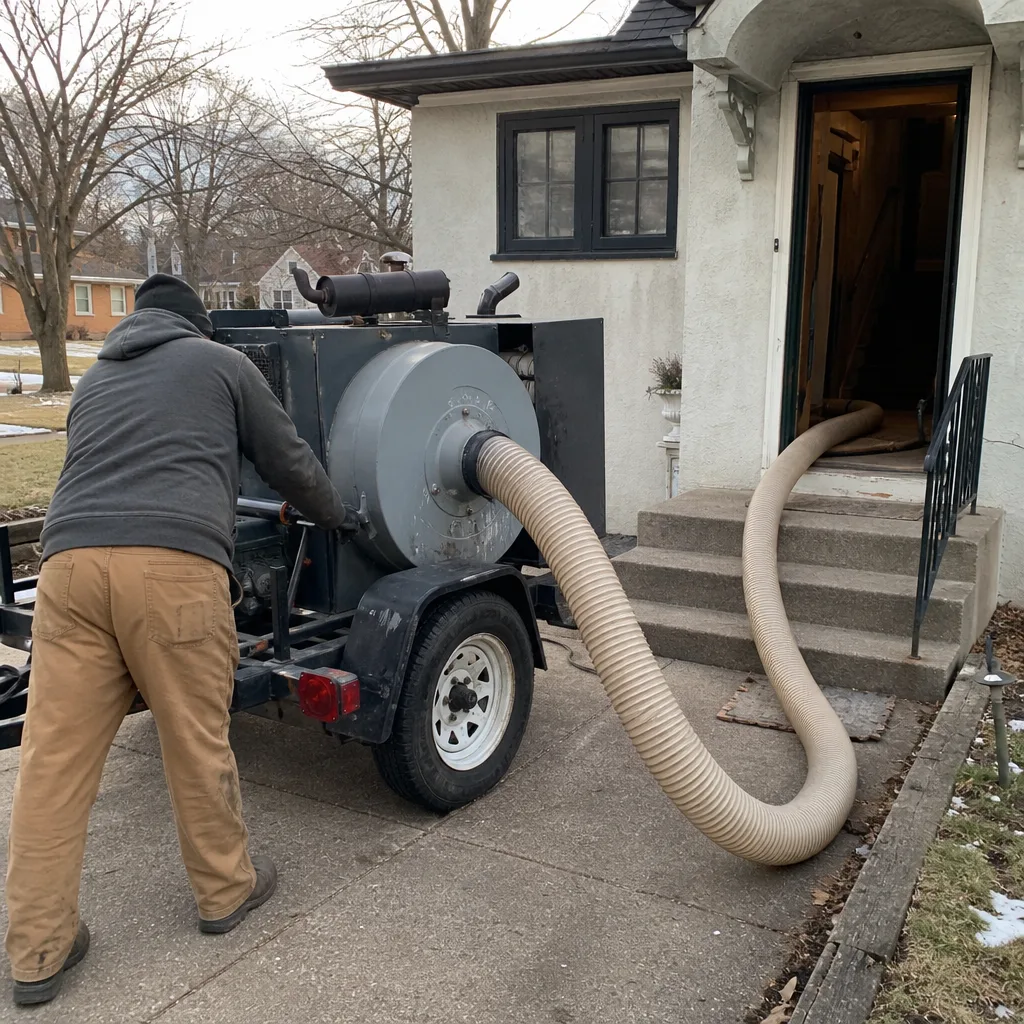
Last updated November 16, 2026
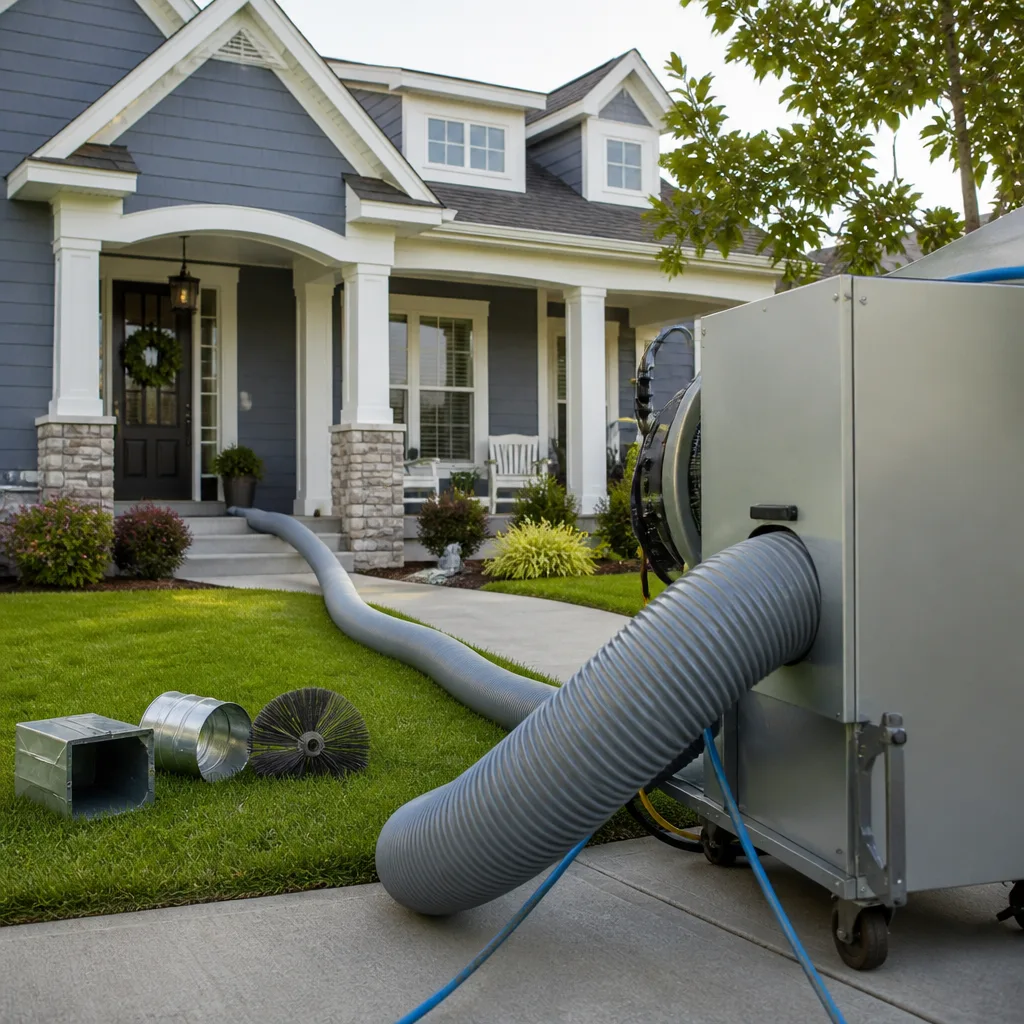 Whole-home duct cleaning
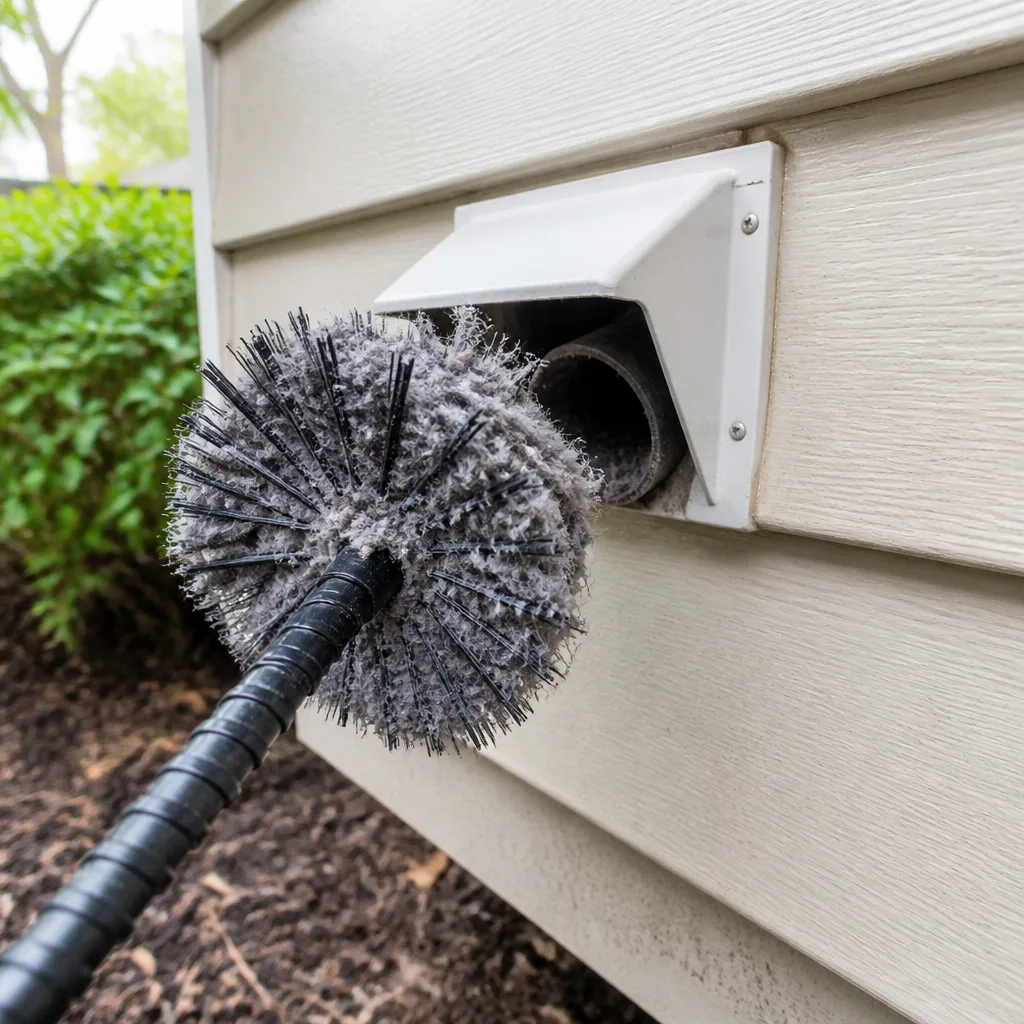 Dryer vent cleaning
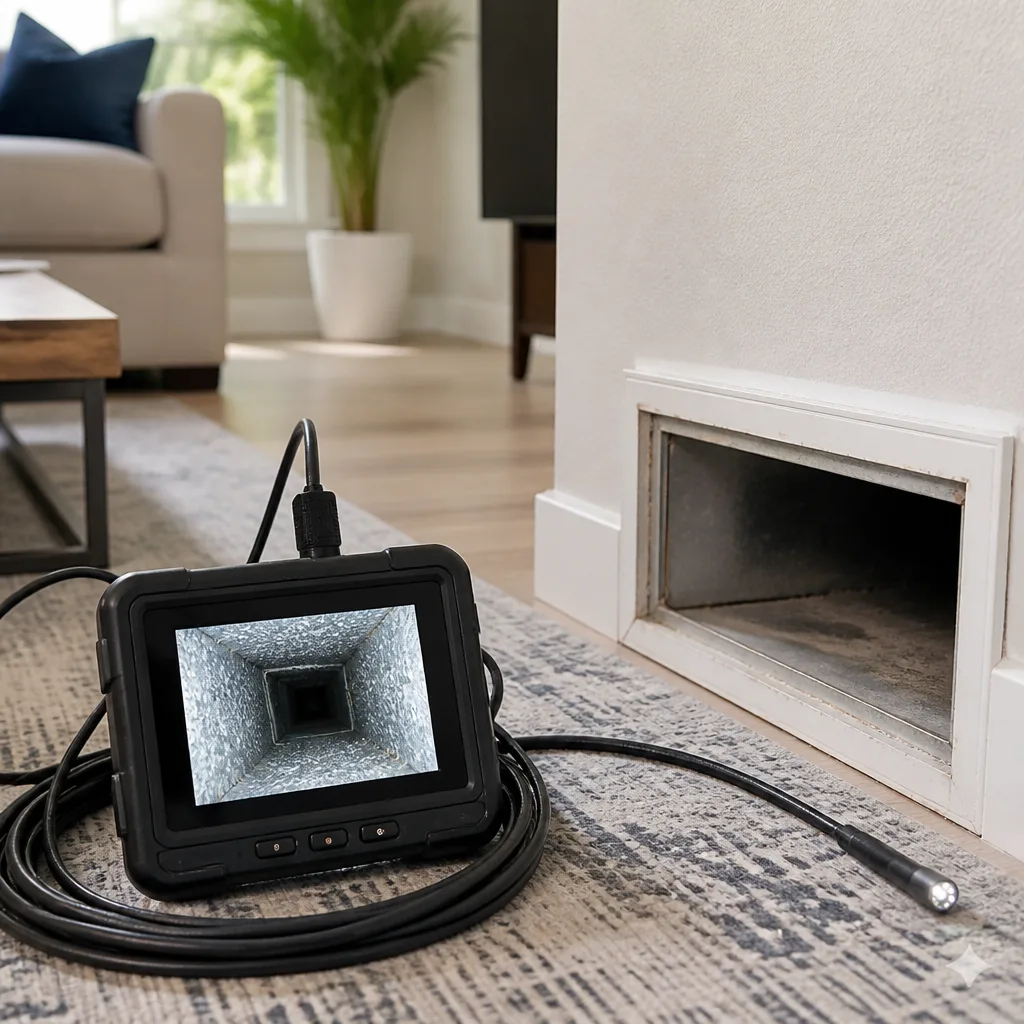 Camera inspection
 Sanitizing & deodorizing
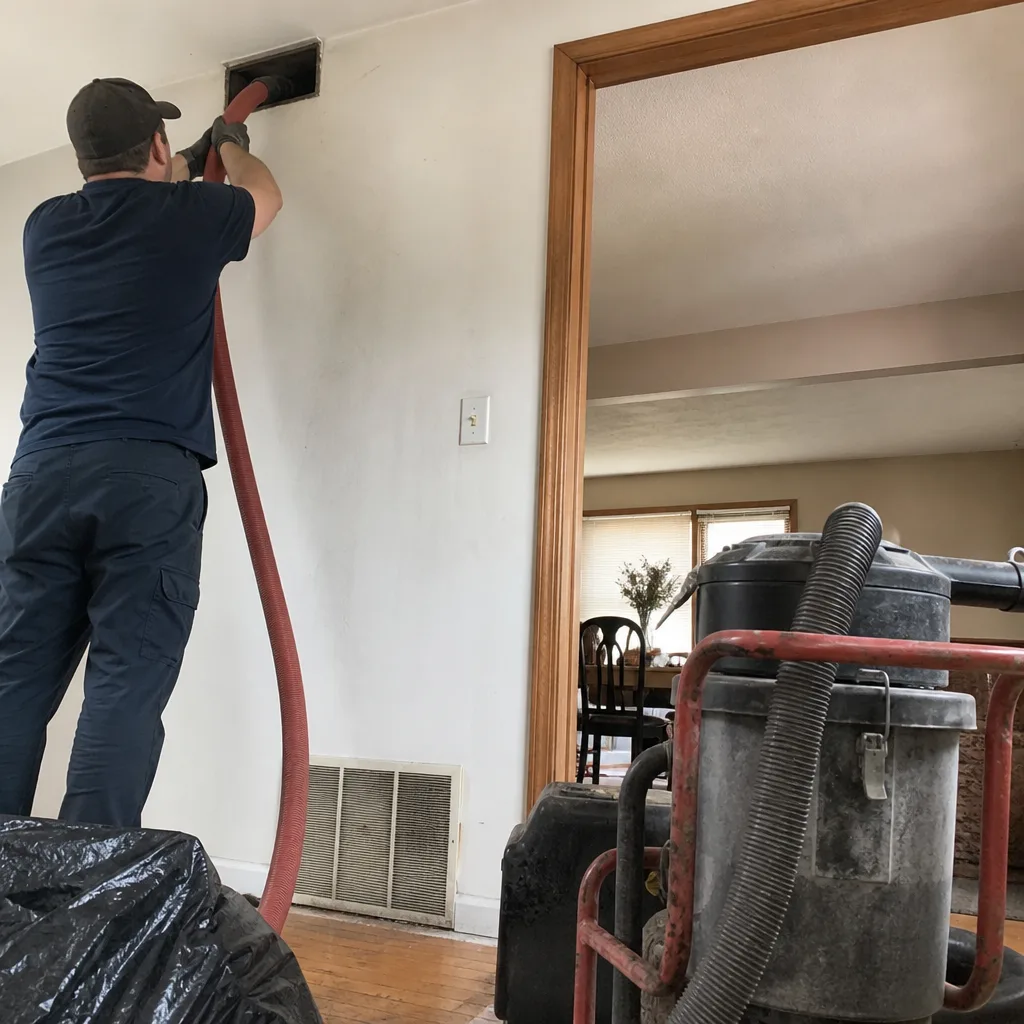
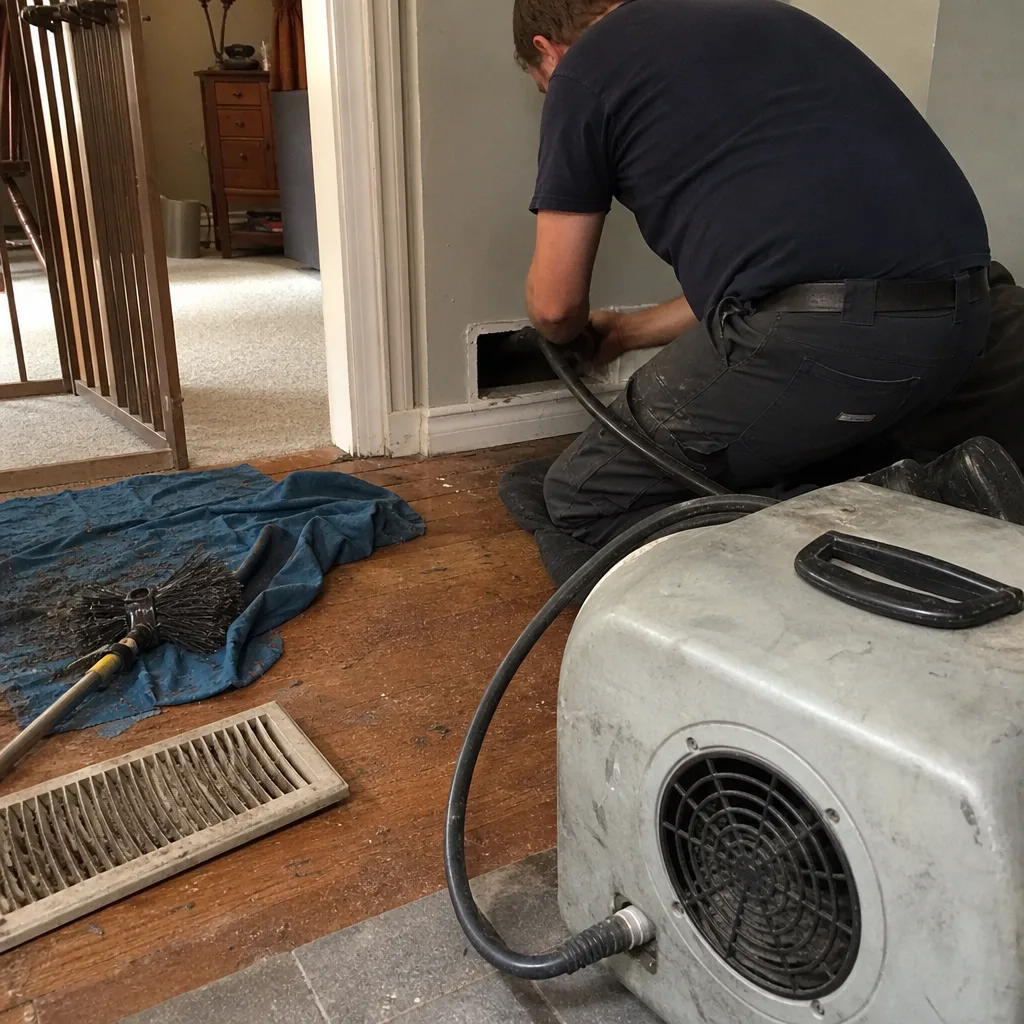
Whole-system duct and dryer vent check with before-and-after photos - you see exactly what came out of your vents
That "$99 whole-house special" is a bait ad - the real number appears once they are in your hallway, or the "clean" is a shop-vac at the register. We photograph the inside of your ducts before and after instead.
Seasonal Air Duct Cleaning Care for Minneapolis: Year-Round Homeowner’s Guide
Most duct cleaning advice treats the job as a once-a-year checkbox, usually tied to a tune-up coupon that arrives in the mail. In Minneapolis, the calendar inside your ductwork looks nothing like a checklist. Your system spends one season pushing cold air through every room, sits almost still during two short shoulder months, then runs nearly nonstop for a heating season that starts earlier and ends later than it does in most of the country. Each of those phases leaves a different kind of load behind. Cleaning at the wrong time means you scrub away the winter’s accumulation and then spend all summer adding to it. This guide walks through what actually happens in a Twin Cities duct system month by month, why the spring and fall windows ask for different work, and how to avoid the scheduling crunch that hits every Minnesota homeowner in the same few weeks.
Quick Answer
The best time to clean your air ducts in Minneapolis is late April through May, before the cooling season starts, and again in September through early October, before the heat comes on. These two windows sit on either side of the compressed shoulder seasons when particulate has built up but the system hasn’t yet started recirculating it under full load. If you can only schedule once a year, choose spring.
Styles & brands we work with
- Whole-home duct cleaning
- Dryer vent cleaning
- Camera inspection
- Sanitizing & deodorizing
Table of Contents
- Why Minneapolis Duct Systems Age Differently
- Month-by-Month: What’s Happening Inside Your Ducts
- The Spring Window: Cleaning Before Cooling Season
- The Fall Window: Preparing for Heating Season
- Why the Shoulder Seasons Matter So Much in Minneapolis
- Filter Maintenance Across a Minnesota Year
- Seasonal Warning Signs at Your Registers
- How to Schedule Around the Crunch
Why Minneapolis Duct Systems Age Differently
The Minneapolis climate doesn’t give HVAC systems a rest. Most of the country has a long, mild stretch where the furnace and the air conditioner both stay off. Here you get a few weeks in spring and a few weeks in fall, and that’s roughly it. The rest of the year belongs to one system or the other. That compressed cycle is what makes duct contamination build faster, and it’s why a seasonal schedule written for a warmer market doesn’t fit here.
An average Twin Cities house runs its furnace hard through the coldest stretch from December into March, then switches over to central air by June. The system is pushing air through the same ductwork almost continuously for ten or eleven months of the year. Whatever lands inside those ducts gets caught up in that airflow, dried out by heat, then pushed through the living space again once cooling season arrives.
Two local features add to the load. Minneapolis winters are dry, and household humidification often runs all season, which raises the moisture content of the air moving through the ducts. Second, the housing stock is varied. A lot of Minneapolis homes were built before modern duct sealing practices existed, which means older seams, taped joints, and return paths that pull from the basement rather than a sealed chase. Those homes collect more airborne material than a newer build with tight ductwork.
Our technicians have up to 14 years of experience across Minneapolis homes, and the pattern is consistent. The houses that get cleaned on a seasonal rhythm show far less debris at the registers than houses that wait for a visible symptom.
Month-by-Month: What’s Happening Inside Your Ducts
Once you see the year as a sequence of loads rather than a single event, the timing decisions get much easier. Here’s what we see inside Minneapolis duct systems according to the calendar. This is a description of patterns, not a rigid rule, since every house runs differently.
- December through February: Peak heating load. Combustion byproducts and fine ash from a furnace or fireplace, plus general household dust, get pulled into the return air and settle on duct walls. Cabin air stays sealed tight, so airborne particles recirculate more than they would in a house with windows open.
- March through mid-April: The furnace starts to cycle less, but the season’s particulate is already on the duct surfaces. Snowmelt outside raises outdoor humidity, and any leak at a duct joint or a poorly sealed return draws damp air into the system. This is the start of the build-up window, not the time to ignore it.
- Late April through May: The pre-cooling window. Accumulation is at its seasonal peak, cooling season hasn’t started recirculating it, and scheduling is still manageable. This is the highest-value cleaning window of the year.
- June through August: Cooling season. The air handler pulls in outdoor air, including pollen from the trees and grasses that peak here in late spring and early summer. Moisture from the AC coil and condensate line adds a damp spot that compounds any debris problem. If ducts weren’t cleaned before summer, this season stirs everything up and sends it back into the rooms.
- September through early October: The pre-heating window. Summer pollen and any moisture-driven growth sit in the system. Heating starts within weeks, and once it does, dust burns and smells different. Cleaning before the furnace runs through its first cycle is far more pleasant than waiting for the smell to force the issue.
- Late October through November: Furnace starts running, dust and any remaining summer residue get dried and lifted into the air for the first time. Odor and dust at the registers are common complaints. It’s a workable cleaning window, but the better timing was a month earlier.
The Spring Window: Cleaning Before Cooling Season
Spring cleaning in Minneapolis serves a specific purpose: it removes the winter’s accumulation before the cooling season starts recirculating it. The trick is not just that the ducts are dirty at the end of winter, it’s that the dirt is about to be pushed into the rooms for the next four months. Cleaning before the air conditioner starts means you’re removing the load rather than chasing it.
What this window should address:
- Full supply and return cleaning. Winter debris collects in the return paths as much as the supply side. A clean that stops at the registers and skips the trunk and return has only moved the material around.
- Filter replacement at the transition. The MERV rating that made sense in winter (see the filter section below) may not be the right one for pollen season. A fresh filter installed at the point of cleaning is the cleanest handoff.
- Air handler and coil inspection. Cooling season starts with the evaporator coil. A coil caked with winter debris can’t drain or cool efficiently, and that’s a separate cost from cleaning ducts. It’s worth checking in the same visit.
- Register and grille check. Spring is a good moment to see whether a supply register is blowing weak or unevenly, a signal that a duct run has come loose or is clogged somewhere that doesn’t show from the living room.
If you’re looking at air duct cleaning for the first time after several years in a Minneapolis home, the spring window is also the best time to catch a bigger picture. Duct repair is often needed as well as cleaning, and a spring inspection means there’s time to fix a compromised run before the cooling load arrives. We handle both in one visit, which is why our three-service scope matters here.
The Fall Window: Preparing for Heating Season
The fall window has different priorities. In spring you’re removing a load before cooling season uses it. In fall you’re removing a load and checking the system’s readiness for heat, which is where duct integrity starts to matter more. Heat is more aggressive about moving debris and more likely to expose an air quality problem you didn’t notice in summer.
What this window should address:
- Cleaning before the first real heating demand. Early September to early October gives you room to clean and inspect without the urgency of a cold snap already at the door.
- Duct sealing and repair review. The same joints that leaked outdoor humidity in the spring can leak heated air and pull cold basement air into the living space in winter. Fall is when we look specifically for loose tape, disconnected flex runs, and gaps at joints that have failed with age.
- Furnace and air handler check. We clean and repair ducts. Heating equipment should be checked by a licensed HVAC technician. The two are complementary, and doing them in the same season makes sense operationally.
- Filter change to a higher MERV for the heating season. The winter starts pulling combustion byproducts into the return. See the section below on filter ratings.
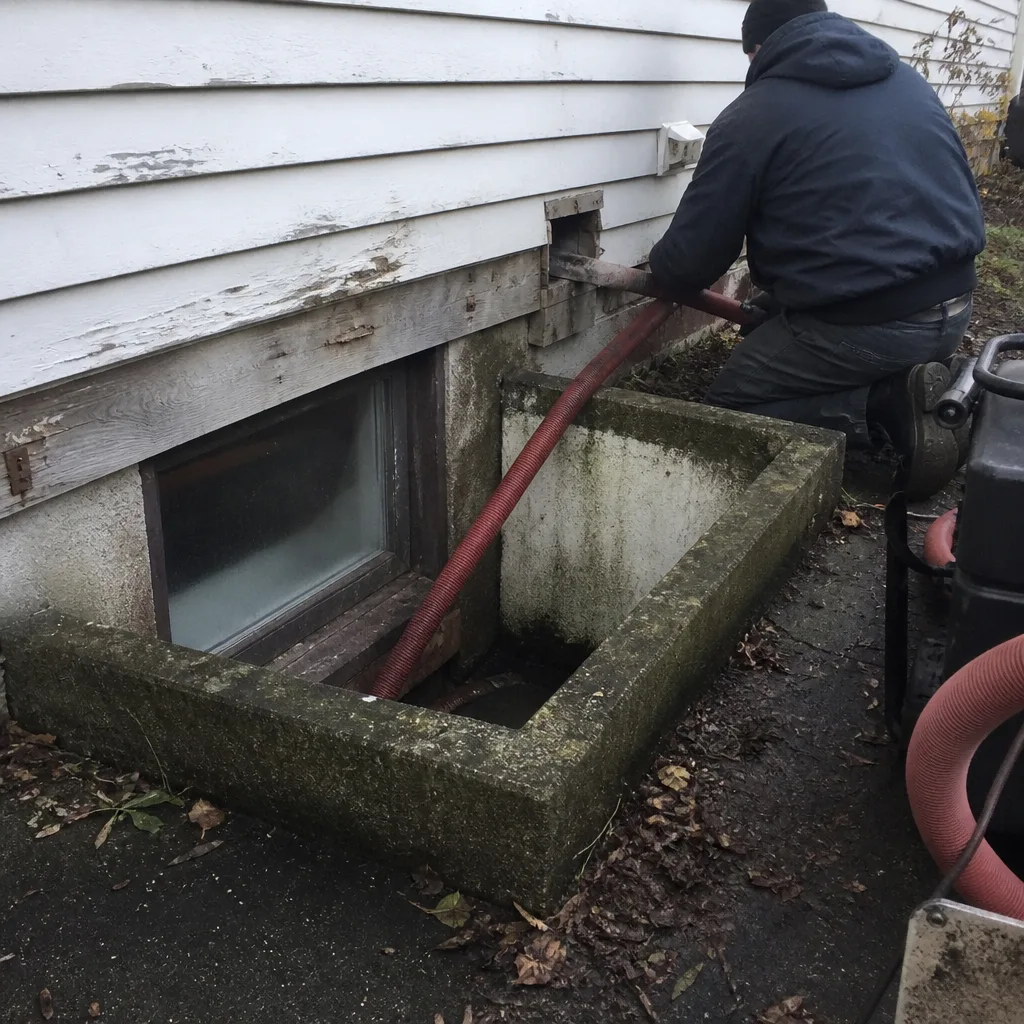
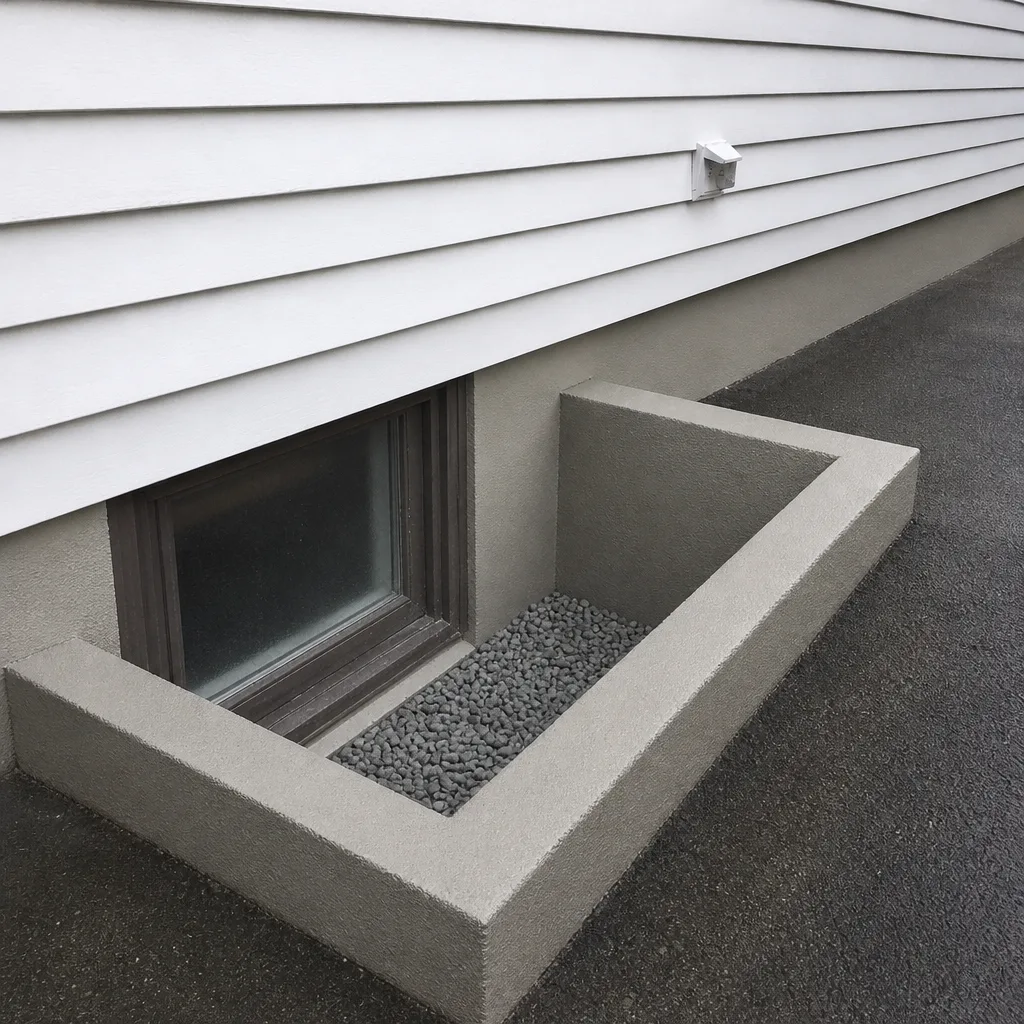
- Dryer vent inspection. Fall is the right time to schedule dryer vent cleaning because the heating season increases general fire load in the home, and the dryer vent is a fire risk most homeowners forget to check until it’s plugged.
Why the Shoulder Seasons Matter So Much in Minneapolis
A homeowner in a milder market has a long, forgiving window in which to schedule duct work. Here, the shoulder seasons are short and the HVAC trade feels it. In our experience, appointments booked during the two or three weeks when Minneapolis shifts from heating to cooling are the hardest to get. By the time the first warm week arrives and everyone notices the AC smells musty, the schedule fills quickly.
There’s a quieter version of this on the other end. The minute the first frost is in the forecast, heating calls start pouring across the Twin Cities, and duct cleaning drops down the scheduling list. If you’re trying to fit a duct appointment into those windows, you end up either waiting or paying for an urgent tune-up call that isn’t the same service.
Booking in February or August solves this. Both months sit just before a shoulder season, and both give you a confirmation slot before the rush. The work is the same either way; the scheduling is what changes. It’s a simple detail that most annual-service reminders don’t mention, because they’re written for a national audience where shoulder seasons don’t compress the way they do here.
For a home in Minneapolis, there’s another reason to be deliberate about timing. Many of these houses run a single air handler with a filter at the return grille, and dust that bypasses that filter in a cold month comes back into the space all winter. Getting the ducts clean going into heating season means fewer visible signs by February.
Filter Maintenance Across a Minnesota Year
The filter is the front door to everything else. In a climate that swings between heavy spring pollen and winter combustion season, one MERV rating for the whole year isn’t the best choice. The right approach changes with the season.
- Spring (pollen season): Higher MERV makes more sense here. Trees and grasses shed heavily in Minneapolis in May and June, and a filter that captures fine pollen keeps the cooling coil and the return duct cleaner. A higher MERV rating can add restriction, though, so check that it matches your system’s capability.
- Summer (cooling season): Keep the higher MERV rating in place through summer unless it’s restricting airflow. If you notice weak supply from some registers, step down one level rather than leave a filter that strangles the system.
- Fall (transition to heat): Change the filter as you clean. A fresh filter installed in early fall catches the first round of heating-season debris before it settles into the duct surfaces.
- Winter (combustion season): A higher MERV rating helps capture combustion byproducts and fine ash pulled into the return, especially in homes with a fireplace or wood stove. In most homes a filter should be changed every 30-60 days during peak heating season.
Two practical notes. First, a filter rated too high for an older system can restrict airflow and put stress on the blower. If the system was designed for a lower rating, matching it is more important than buying the highest number on the shelf. Second, filter housings are part of the picture. A housing that doesn’t seal properly lets air bypass the filter entirely, which means even a fresh filter isn’t catching what it should. That’s a repair item, not a cleaning item, and worth having checked at the same visit.
Seasonal Warning Signs at Your Registers
You don’t need a camera in the duct to know something has changed. The registers, the air at floor level, and the sounds of the system tell you by season. Each sign points to a type of load, not a diagnosis.
- Spring: musty smell when you first turn on the AC. This usually points to moisture sitting on the air handler, coil, or in a duct that took on humidity through a leak. A duct that held winter dust through a damp spring is a common culprit.
- Spring: visible dust falling from a ceiling register. The cooling cycle stirs settled material and sends it back into the room. It’s a clear sign the ducts need cleaning, and it’s the most common reason Minneapolis homeowners call in the spring.
- Summer: uneven cooling between floors. Cool air takes the path of least resistance. If one level is cold and another isn’t, a duct run may have come loose or a return path is restricted. Cleaning alone won’t fix a duct that has physically separated, which is where duct repair matters.
- Fall: a burning or dusty smell at the first heat. First use of the furnace lifts the season’s settled dust, and it’s normal to a point. Persistent smell after the first cycle usually means more than the expected “first-run” burn-off.
- Winter: visible haze or more household dust. Sealed windows recirculate whatever’s in the ducts. If the house feels dustier in January than in October, the return path is likely the source.
- Anytime: a whistling or rushing sound at one register. That’s a pressure problem, not a dirt problem. It often points to a leak or a blocked run.
None of these require a panic. They’re signals that something has changed in the system, and the fix starts with a look at what’s happening under the registers rather than a guess from the living room.
How to Schedule Around the Crunch
The scheduling advice for Minneapolis duct work is straightforward, and it’s the part most reminders skip. Here’s the sequence we recommend to homeowners planning a year of seasonal care.
- Pick your anchor seasons. Decide whether spring, fall, or both are your cleaning anchors. Most Minneapolis homes do well with one full cleaning a year and a second-year check if pets, smoking, or a renovation is in the picture.
- Book the slot in February or August. Both months land before a shoulder-season crunch. You’re getting a normal-schedule appointment rather than chasing the first available date once everyone else calls.
- Bundle the dryer vent. Dryer vent cleaning is a safety service that pairs well with a duct appointment. If you’re already booking, adding it makes for a single visit and one scheduling call.
- Ask about duct repair during the visit. If a check turns up a compromised run, it saves a second visit to handle it in the same appointment. Not every duct needs repair, but the ones that do are best fixed before they’re cleaned around and forgotten.
- Plan the post-visit filter change. A fresh filter going in after the cleaning gets the cleanest handoff into the next season.
One note on what to expect. Professional-grade equipment, not improvised tools, is what makes a seasonal clean worth doing. The systems we use, including Rotobrush and Nikro lines with Abatement Technologies equipment for containment and HEPA-level air control, do a different job than the shop vacuum and a hose you’ll see from lower-tier offers. When you’re comparing quotes, the equipment list is part of the conversation, alongside the written scope.
Common Mistakes to Avoid
- Cleaning in the wrong season. Cleaning in late June after the cooling system has already stirred up the winter load means you’re back where you started by fall. Aim for the pre-cooling window instead.
- Assuming duct cleaning fixes airflow. Cleaning removes debris. It does not reconnect a loose duct run or repair a gap in a joint. If one room is cold in winter and hot in summer, duct repair is the search term, not cleaning.
- Ignoring the filter housing. A leaking filter housing lets air bypass the filter. Cleaning ducts with a bypassing housing means the system gets dirty again in weeks, not months.
- Skipping the dryer vent as a separate appliance. The dryer vent is its own fire safety system. In a Minneapolis winter with sealed windows and a heavily used furnace, it’s an easy one to forget. It should be on the same seasonal calendar as the ducts.
- Waiting for the visible symptom. By the time you see dust falling from a register, the ducts have been loaded for months. The seasonal calendar is meant to get you ahead of that.
- Choosing on price alone. A quote that doesn’t name the equipment, the scope of the visit, or the containment method is a quote you can’t compare. The right question is what’s being cleaned and with what.
- Planning around a holiday or a weekend window. Minnesota schedules compress near holidays, and the best appointments go to homeowners who book in the slower months. If your week is full, plan for the early morning or a Sunday slot.
See the difference
 Before
 After
 Before
 After
 Before
 After
When to Call a Professional
Some signs call for an inspection now rather than a seasonal slot. Call if you see visible dust falling from a ceiling register, if the first cooling or heating cycle produces a musty or persistent burning smell, if one floor of the house won’t cool or heat evenly, if a supply register barely moves air while others are strong, or if you’ve never had the ducts cleaned in a home you’ve owned for several years. Dryer vent safety is its own trigger: if the dryer takes noticeably longer to dry a load or the vent flap outside doesn’t open fully, don’t wait for the next seasonal window. Clover Air Duct Cleaning offers free estimates in Minneapolis. Call (844) 320-5410. We answer 24/7. Fast dispatch from 7am to 7pm, Sunday through Friday. Our technicians have up to 14 years of experience, work with Honeywell and Aprilaire indoor air quality products, and use professional-grade systems rather than consumer tools, with a written scope and a single price agreed before any work starts.
Frequently Asked Questions
Once a year is the baseline for most Minneapolis homes, timed to the spring pre-cooling window. Homes with pets, a smoker, recent renovation, or allergy concerns often benefit from a second check in fall before heating season. The best frequency depends on your filter habits, the age of the ductwork, and how much of the year the system runs.
Late April through May is the strongest window, before the cooling season starts recirculating the winter’s dust load. September through early October is a close second, giving you a clean system before the first real heating demand. If you can only pick one, choose spring.
Before. Cleaning before the first cooling cycle means you remove the winter’s accumulation instead of pushing it back into the rooms for the summer. If the system has already switched to cooling, cleaning in the first weeks is still better than waiting for fall.
Many homes do better with a higher MERV rating in winter than in summer, because the heating season pulls combustion byproducts and fine ash into the return. The right move is to match the filter to the system’s rated airflow; a higher rating that restricts airflow does more harm than good. A fresh filter installed at the cleaning visit is the cleanest handoff into the next season.
Pollen captures best at a higher MERV rating, though the right number depends on your system’s design. The safest approach is to check what the equipment is rated for and step up one level for the pollen season if it’s safe to do so. Sellers of lower ratings don’t catch fine pollen as well, so if you’re relying on a lower MERV, expect to change it more often.
Yes, and it matters more than people expect. Repairing a duct run before cooling or heating season is far easier than waiting until the system exposes the gap under load. If a check turns up a compromised run, it’s best handled before the next season, not after it. Call (844) 320-5410 for an estimate and to talk through timing.
The Bottom Line
The Minneapolis year is a sequence of loads, not a single cleaning event. Winter produces the accumulation, spring is the window to remove it before cooling season recirculates it, summer stresses the system, and fall is the window to clean and repair before heat comes on. Two scheduling moves fix most of the timing problem: pick your cleaning season deliberately, and book in February or August before the shoulder-season rush. The rest is maintenance habit and honest inspection, both of which are easier with a clean system and a repaired one. For a plan you can hold to across the year, start with a look at what’s happening at your registers and work outward from there.
If you’re ready to schedule seasonal care for your home in Minneapolis, call Clover Air Duct Cleaning at (844) 320-5410 for a free estimate. We clean, repair, and clear the three systems that matter most in a Minneapolis home: the ductwork, the compromised runs inside it, and the dryer vent that quietly collects lint all year. We answer 24/7. Fast dispatch from 7am to 7pm, Sunday through Friday. One flat price per system agreed before work starts, and the right equipment on the job.
Written by the team at Clover Air Duct Cleaning.