
Last updated November 16, 2026
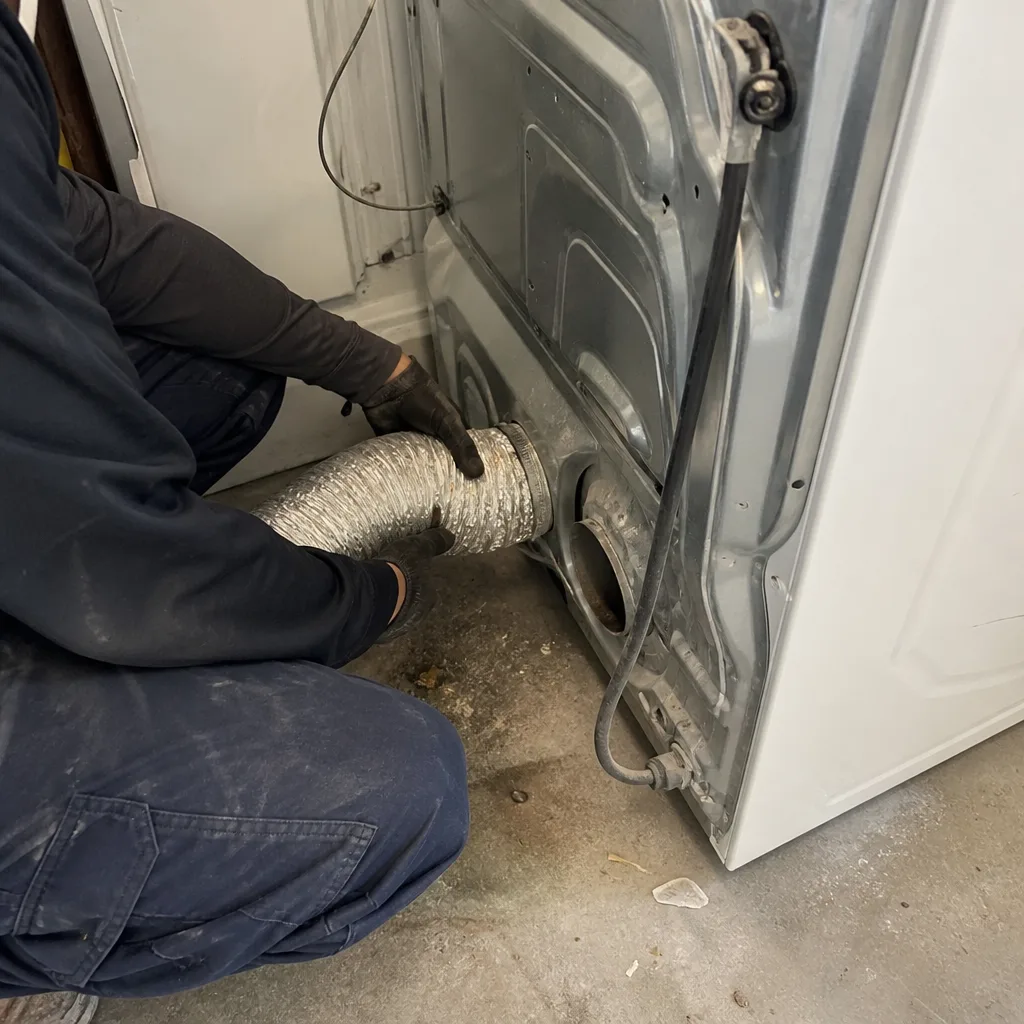
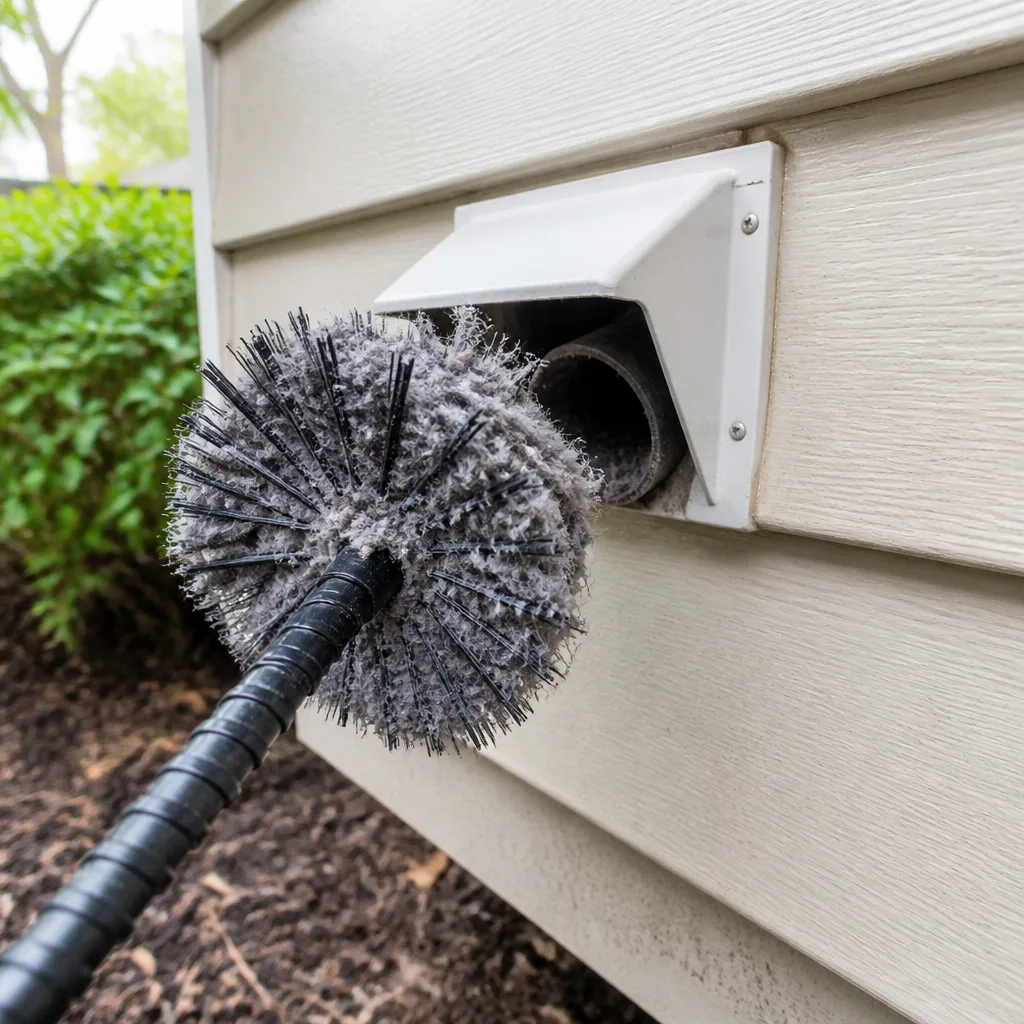 Dryer vent cleaning
 Whole-home duct cleaning
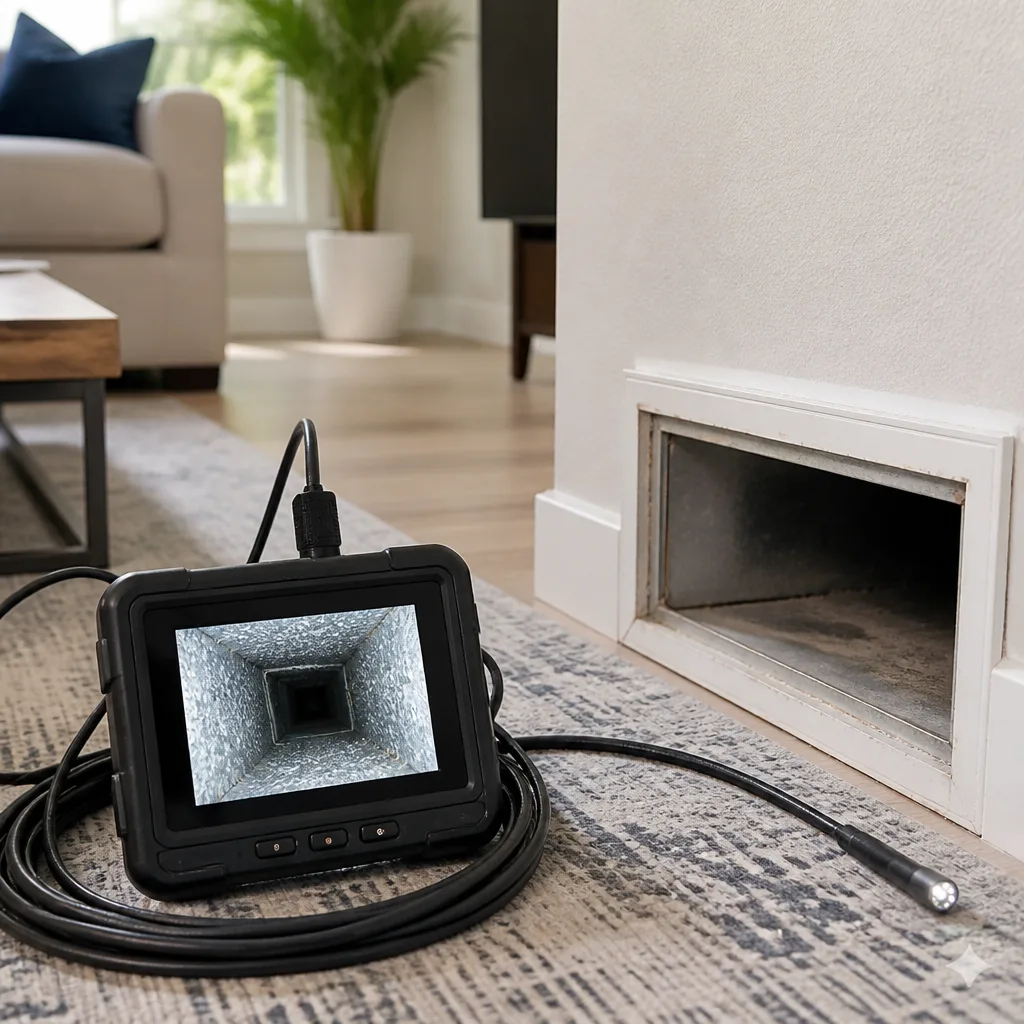 Camera inspection
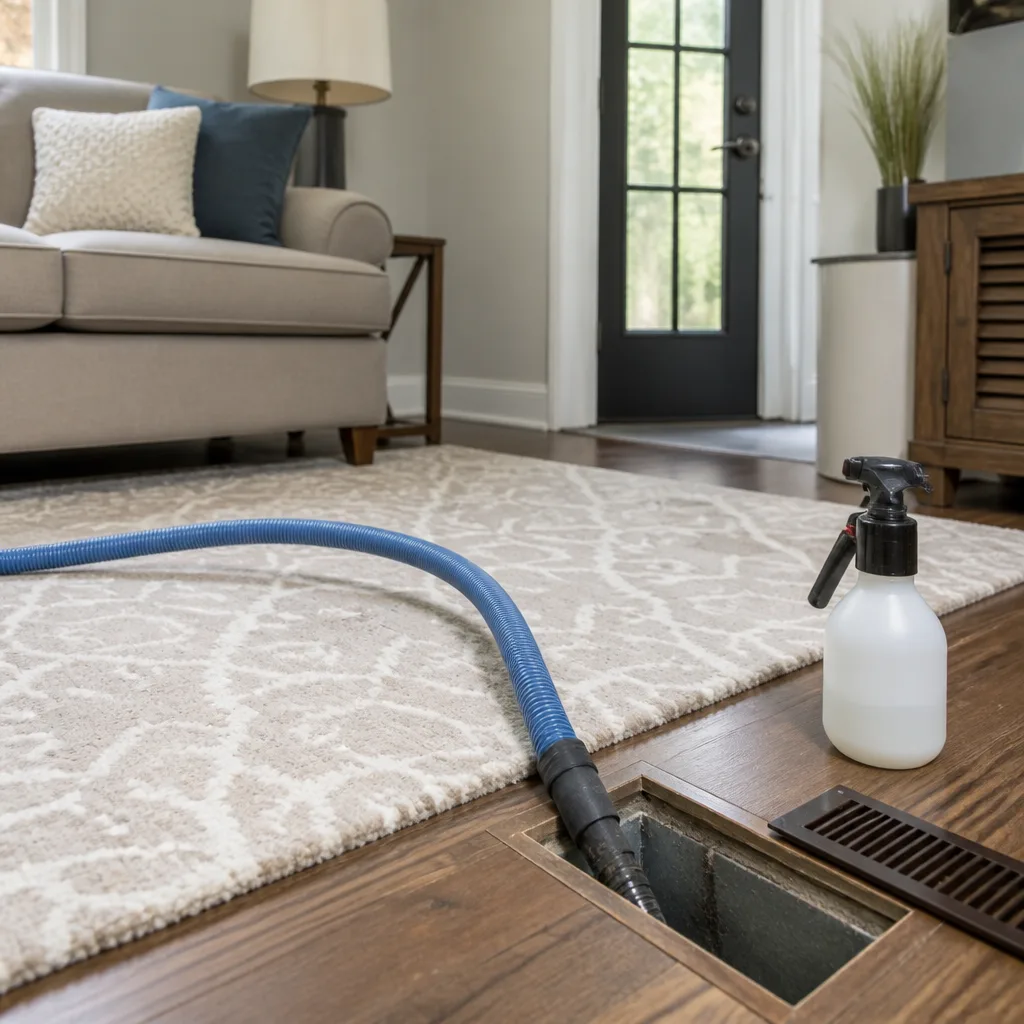 Sanitizing & deodorizing
Whole-system duct and dryer vent check with before-and-after photos - you see exactly what came out of your vents
That "$99 whole-house special" is a bait ad - the real number appears once they are in your hallway, or the "clean" is a shop-vac at the register. We photograph the inside of your ducts before and after instead.
Dryer Vent Cleaning Maintenance Checklist for Minneapolis Homeowners
The U.S. Fire Administration attributes roughly 2,900 home dryer fires per year to failure to clean vents. That number is real and serious. But in cold climates there’s a second, quieter mechanism at work: moisture in dryer exhaust condenses inside the vent run, and lint that would otherwise blow free instead clumps and sticks to the pipe walls. In Minneapolis, that condensing happens for months at a stretch, and it changes how often you actually need to clean. This guide gives you a maintenance checklist built around that reality: what to inspect, when to clean, how to measure your own vent run, and where the risk concentrates in a Minneapolis winter.
Quick Answer
Most Minneapolis homeowners should clean their dryer vent once a year, and late winter or early spring is the smartest time to do it because condensation-driven lint buildup peaks after months of cold-weather running. Check the outside termination cap and the interior flex duct every few months, and clean the full run annually, more often if your dryer sits far from the exterior wall or the duct passes through a cold garage or crawl space.
Styles & brands we work with
- Whole-home duct cleaning
- Dryer vent cleaning
- Camera inspection
- Sanitizing & deodorizing
Table of Contents
- Why Cold Weather Changes the Dryer Vent Equation
- The Minneapolis Dryer Vent Maintenance Checklist
- How to Measure Your Vent Run and Check Capacity
- Winter-Specific Problems: Condensation, Kinking, and Frost
- Spring Nesting and Freeze-Thaw Damage at the Termination Cap
- The Best Time of Year to Schedule a Cleaning
- What a Rotary Brush System Retrieves That a Vacuum Attachment Misses
- Common Mistakes to Avoid
Why Cold Weather Changes the Dryer Vent Equation
A dryer doesn’t just move lint. It moves warm, saturated air. Every load pushes water vapor through the vent line along with the heat. In a mild climate most of that moisture exits the building before the air cools enough to condense. In Minneapolis, from November through March, the air inside an exterior wall cavity or an unconditioned garage can sit well below freezing. The warm exhaust hits that cold surface and the moisture drops out as liquid, or freezes outright on the duct wall.
That has a direct consequence for lint. Dry lint is light and travels easily. Damp lint is sticky. Once a film of condensation forms on the inside of the duct, fine fibers adhere to the walls instead of blowing through. The layer builds, narrows the passage, slows the airflow, and gives the next load of exhaust even more time to cool and condense. It’s a feedback loop, and it’s the single biggest difference between dryer vent maintenance in Minneapolis and the generic “clean it once a year” advice you’ll read on most appliance sites.
Homes with long vent runs, or runs that pass through a garage, an unfinished basement, or a crawl space, are most exposed. Those paths spend more of their length in cold air, so more of the exhaust condenses before it reaches the termination cap. If you’ve ever noticed your dryer taking two cycles to dry a load in January when one cycle did the job in September, condensation and a narrowing vent line are worth checking before you blame the appliance.
Professional-grade equipment matters here for a simple reason: the deposit you’re removing in a Minneapolis home isn’t loose dust. It’s adhered lint that has effectively been glued into place by moisture and freeze-thaw cycles. Getting it out means mechanical agitation, not just suction.
The Minneapolis Dryer Vent Maintenance Checklist
This checklist covers what to look at, how often, and what a problem looks like. It’s written for a Minnesota climate, so the cold-weather items appear where they actually matter.
Every 1 – 3 months
- Clear the lint screen before every load. Not monthly, every load. A packed screen slows airflow and sends more lint downstream.
- Look at the outside termination cap. The flapper or louvers should open freely when the dryer runs and close when it stops. In Minneapolis winter, ice can freeze a flapper shut.
- Check for lint accumulation around the exterior hood. A soft fringe of lint at the outside cap is normal; a dense mat or a visible mass means the run needs cleaning now.
- Feel the exterior vent while the dryer runs. Strong, warm airflow on your hand is a good sign. Weak airflow or none at all is a red flag.
- Listen at the back of the dryer. A whooshing sound is fine. A strained, laboring motor or a smell of warm lint suggests restricted airflow.
Twice a year
- Pull the dryer out and inspect the transition duct (the short run between the dryer and the wall). In cold basements, flexible foil duct kinks easily when the dryer is pushed back. A crushed transition duct is one of the most common flow restrictions we find.
- Check the full vent run for sagging or crushed sections. Look for dips where lint and condensation can collect.
- Confirm the vent is connected at both ends. Decades of vibration can loosen a clamp and leave a gap that dumps moist air into a wall cavity.
Once a year
- Clean the entire vent run from the dryer connection to the exterior cap. This is the annual full cleaning. In Minneapolis, late winter or early spring is the best timing, for the reasons covered below.
- Inspect the termination cap and exterior hood for damage from freeze-thaw cycling: cracked plastic, bent metal, missing flap, or a screen that’s clogged.
- Check the duct for nesting material, especially in spring. Birds and small rodents look for warm voids, and a vent cap with a missing flap is an open door.
Annually or any time you notice a change
- Confirm the vent material. Rigid metal duct is the safest and smoothest option for a long run. Flexible foil duct can work for a short transition but is more prone to kinking and collecting lint, particularly where the temperature swings.
- Verify the outside vent isn’t blocked by snow or ice. After a storm, clear snow from around the exterior cap. A buried vent forces exhaust back into the duct.
- Recheck the dryer’s drying time. If a normal load starts taking noticeably longer, treat it as a signal.
That’s the whole picture. If you want a simpler rule to remember: check the exterior cap every few months, and clean the full run once a year, ideally in late winter. For a professional walk-through of the full system, including the air duct cleaning that pairs naturally with a dryer vent service, we’re always glad to talk it through.
How to Measure Your Vent Run and Check Capacity
Every clothes dryer is rated for a maximum exhaust run length. If your actual run exceeds that number, the dryer can’t push exhaust out efficiently, and lint settles instead of exiting. Most manufacturers publish a maximum length, and most subtract for every elbow or turn in the run. You don’t need the exact spec sheet to get a useful answer, but you do need to measure honestly.
How to measure your vent run
- Start at the dryer’s exhaust connection (the back of the appliance where the transition duct attaches).
- Follow the duct path with a tape measure, and write down each segment.
- Count the elbows. Each 90-degree turn adds effective length; most manufacturers treat a 90-degree elbow as equivalent to several extra feet of straight run. Sharp turns restrict flow more than length does.
- Note where the run passes through unconditioned space. In Minneapolis, that’s the garage, an unheated basement, a crawl space, or an exterior wall cavity.
- Add it up, then add the elbow penalties. That’s your effective run length.
- Compare to your dryer’s rated maximum. If you’re at or over the limit, you have a capacity problem, not just a cleaning problem.
Minneapolis routing complications
The physical layout of Minneapolis homes makes long, twisty runs common. A few patterns of note:
- Dryers set against an interior wall in a basement or first-floor laundry closet usually have to travel farther to reach an exterior wall. That means longer runs and more elbows.
- Homes with finished basements or added laundry rooms sometimes route the vent along the ceiling joists, adding turns and length.
- Older homes often have been renovated more than once, and duct runs sometimes take a route that made sense for an earlier layout. It’s worth tracing the full run to confirm it’s not doing more work than it needs to.
- Garage-adjacent laundry rooms may push the vent through an unheated garage. That’s where condensation and freeze-thaw issues concentrate.
If your numbers come out over the appliance’s limit, the fix isn’t always a new dryer. Sometimes rerouting the run or shortening it solves the problem. If you’re weighing whether to clean or repair, that’s exactly the kind of thing we look at during a professional assessment.
Winter-Specific Problems: Condensation, Kinking, and Frost
Winter is the season when the checklist matters most, and it’s the season when the standard advice falls short. Here’s what we watch for in Minneapolis homes once the temperatures drop.
Condensation inside the vent line
As described above, moisture in the exhaust condenses when it hits a cold duct wall. The colder and longer the cold section, the more moisture drops out. That’s why a vent that performed fine all summer can start causing problems in January. When the condensation freezes, it can form frost or ice on the interior of the duct. When it thaws, it leaves a damp film that grabs lint.
Flex duct kinking in cold basements
Flexible foil duct is easy to route and easy to crush. In a cold basement, the foil becomes more rigid, and pushing a dryer back into place after moving it can kink the transition duct without any obvious sign from the outside. A kinked transition duct creates a hard restriction right at the source. When we clean a vent system, we also check the transition duct, because it’s often the first place flow gets choked.
Frozen or ice-blocked termination caps
The exterior termination cap is a metal or plastic hood with a flap. In below-zero Minneapolis weather, moisture from the exhaust can freeze in the hinge or around the flap, leaving it stuck open or shut. Stuck open lets cold air and pests in. Stuck shut backs exhaust up into the dryer and the room. Both are worth a quick look after any deep cold snap.
Snow and ice blocking the vent
A vent buried by a snowbank can’t exhaust. If your exterior vent is low to the ground, clear snow from around it after storms. A blocked vent sends warm, lint-laden exhaust back into the duct, where it condenses faster.
Longer drying times as the season goes on
As condensation and lint buildup compound through the winter, drying times creep up. A load that took one cycle in November may take two by February. It’s a quiet symptom, easy to explain away, but it’s the most reliable early indicator we know of that the vent needs attention.
Spring Nesting and Freeze-Thaw Damage at the Termination Cap
By the time the ground thaws in Minneapolis, the exterior vent cap has been through a full winter of freeze-thaw cycling, and the local wildlife has noticed every opening. Spring is when both problems surface at once.
Winter damage at the cap
Freeze-thaw cycling is hard on plastic and thin metal. Look for these when you inspect in early spring:
- Cracks in a plastic hood or flap
- A flap that no longer seats flush when the dryer is off
- Bent or missing louvers
- A clogged mesh screen (some older caps have one; they collect lint and need cleaning or removal)
- Corrosion or rust on the spring hinge
Bird and rodent nesting
A vent cap with a missing or stuck-open flap is a warm, sheltered void. Birds are drawn to it in spring nesting season, and rodents look for any opening into a heated building. A nest inside the vent is a serious fire risk and a total airflow block, and it’s the kind of thing you can’t see from inside. If you notice scratching, chirping, or a sudden loss of airflow from the dryer, don’t run the dryer until the vent has been checked.
Lint matting at the cap
Winter’s condensation cycle leaves a lint mat at the exterior cap. A soft fringe is normal. A hard, dense pad, or a visible mass of material blocking the flap, means the vent needs a full cleaning, not just a cap wipe-down.
The most reliable way to start spring is with a full cleaning and inspection. For a service that treats dryer vents as the fire-safety system they are, see dryer vent cleaning.
The Best Time of Year to Schedule a Cleaning
If you clean once a year, clean in late winter or early spring. Here’s why that timing makes sense in Minneapolis specifically.
The case for late winter / early spring
- You catch the peak accumulation. By late February or March, a Minneapolis vent run has been through months of condensation cycles. Lint buildup peaks right about when the cold starts to break, so cleaning then removes the highest-risk deposit of the year.
- You clear the winter’s damage before spring. The inspection catches a frozen flap, a cracked cap, or a kinked transition before nesting season amplifies the problem.
- You head into summer with a clean line. Summer running is easier on the vent, so a spring cleaning means you’re not fighting buildup during the seasons when you least want to think about it.
- You catch capacity problems before the heavy-use months. If your run is at the limit of your dryer’s capacity, spring is when you have time to deal with it before the busy season.
When once a year isn’t enough
Some Minneapolis homes should clean twice a year, or more:
- Long vent runs (roughly over 25 feet effective length, including elbow penalties)
- Runs through unconditioned space, like garages or crawl spaces
- Homes with heavy laundry volume (large households, pet hair, or frequent bedding and towel washing)
- Vents with multiple elbows or a route that narrows at any point
- Any home where drying times are creeping up between cleanings
In our experience, the timing advice competitors give (“clean once a year”) is a reasonable average. It’s just not calibrated to a Minneapolis winter. Homes in the categories above usually benefit from a spring cleaning plus a mid-winter check of the exterior cap and transition duct.
For a broader look at how the full home duct system ties into this, the Minneapolis page covers the services and the setup for our area.
What a Rotary Brush System Retrieves That a Vacuum Attachment Misses
A shop vac with a brush attachment can pull loose lint off the first few feet of a vent run. It cannot remove the adhered, condensation-glued lint that lines the interior of a segmented or angled run, and it doesn’t have the reach or the mechanical action to get into the elbows and joints where the buildup concentrates.
Professional cleaning with a rotary brush system works differently. The brush is spun by a motor while it’s fed through the duct, so it scrubs the walls of the run as it travels. Combined with a high-powered vacuum source, this lifts the adhered layer off the ducting rather than just sucking at whatever’s loose. That matters most in two situations:
- Segmented duct (the kind with joints every few feet) gives lint a place to catch at each seam. A rotary brush agitates right at those seams.
- Angled runs with elbows create dead spots. Suction alone pulls from the straight sections; a rotary brush can be fed through the turns and scrub the walls on the way.
At Clover Air Duct Cleaning, our dryer vent cleaning uses professional-grade equipment, including Rotobrush and Nikro systems, and we bring Abatement Technologies equipment for proper containment. Professional-grade equipment, not improvised tools: that’s the standard we hold to. A rotary brush system on a dryer vent is the difference between moving the debris around and actually clearing the line.
If you want to see what that looks like on a real Minneapolis system, our home page is a good starting point: Clover Air Duct Cleaning.
Common Mistakes to Avoid
- Assuming the lint screen catches everything. It catches most of the lint, but a meaningful fraction travels past it. The screen is a first line of defense, not a substitute for cleaning the vent run. In Minneapolis, the winter condensation cycle means that escaped lint doesn’t just blow out; it sticks.
- Skipping the catch: the exterior cap. The cap is where you can spot a problem early. A stuck flap or a lint mat is often the first sign of a bigger blockage. Check it before and after winter.
- Crushing the transition duct when you push the dryer back. This is the single most common restriction we find, and it’s usually invisible until someone pulls the appliance out. In a cold basement, foil duct kinks more easily, so leave enough slack for the dryer to sit flush without pinching the duct.
- Using flexible foil duct for the whole run rather than just the transition. Short flex between the dryer and the wall is standard; long flex runs collect lint and sag. Rigid metal duct is smoother and safer for most of the run, and it’s the better choice in a cold climate where condensation is a factor.
- Waiting until the dryer stops drying to think about the vent. Slow drying times are one of the earliest signals, but by the time they show up, the blockage is often substantial. Watch for the shift early in the winter season.
- Cleaning from the outside with a shop vac and calling it done. Suction from the cap only reaches the last few feet and can compact lint deeper into the line. Full cleaning reaches from the dryer connection to the cap.
- Ignoring nesting signs in spring. A vent cap with a missing flap is an open door. If you hear scratching or notice a sudden drop in airflow, don’t run the dryer until the vent has been checked.
When to Call a Professional
There are a few situations where a DIY check isn’t the right next step. If your dryer takes two cycles to dry a load that used to take one, especially in the middle of a Minneapolis winter, that’s a signal the vent is restricted. If the exterior cap shows damage, ice, or a stuck flap and you can’t clear it yourself, that’s a call. If you suspect nesting inside the vent, don’t run the dryer until it’s been checked by a professional. If your vent run is long, passes through unconditioned space, or has multiple elbows, an annual professional cleaning is the safer and more effective habit than a shop vac pass. And if you’ve never had the vent professionally cleaned, having it done once gives you a baseline you can maintain. Clover Air Duct Cleaning offers free estimates in Minneapolis – call (844) 320-5410. We answer 24/7. Fast dispatch from 7am to 7pm, Sunday through Friday.
See the difference
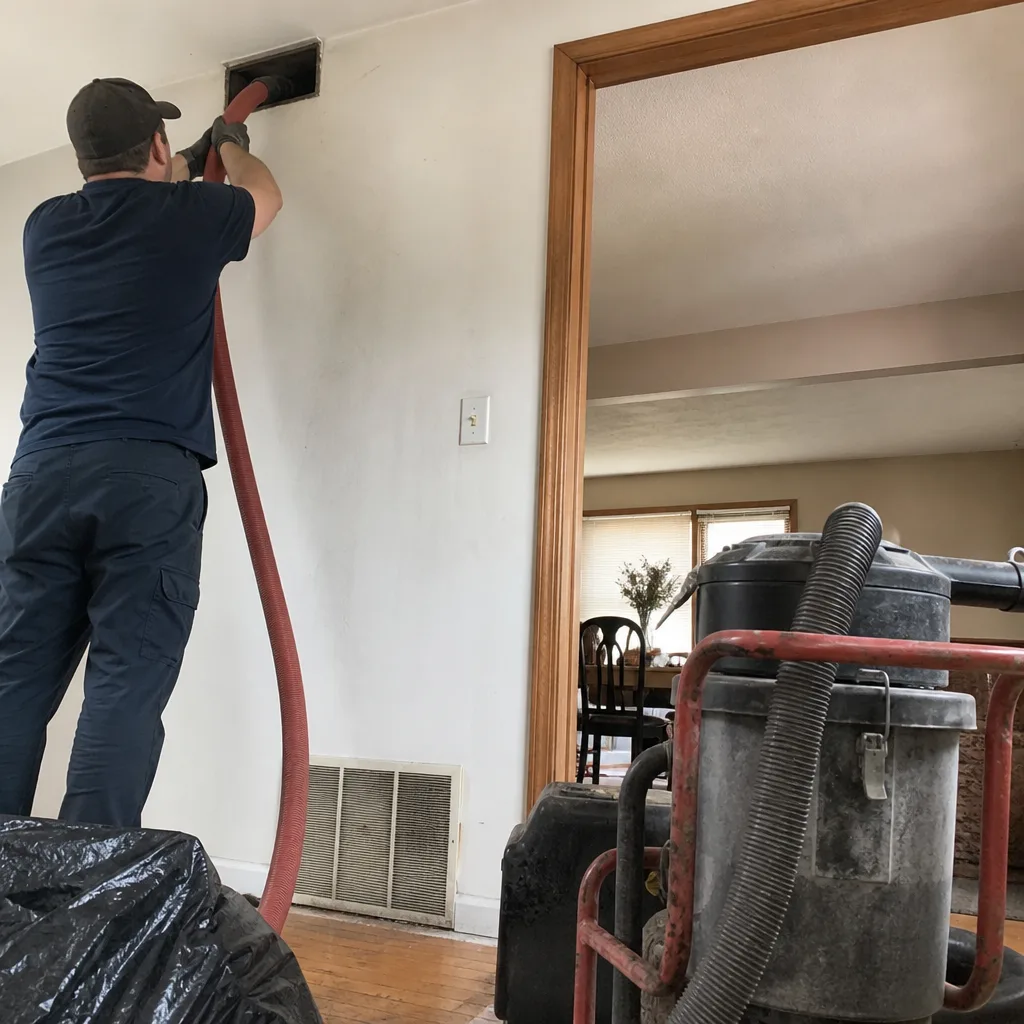 Before
 After
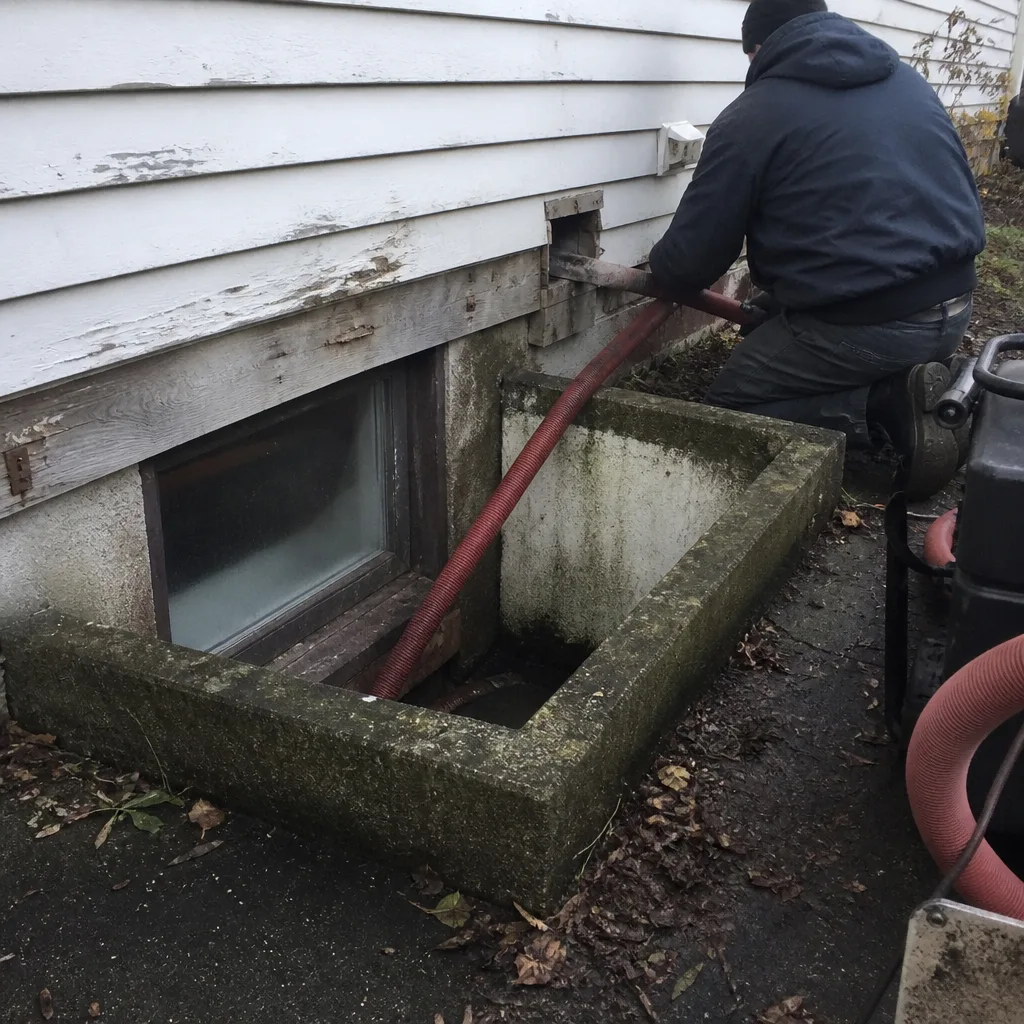 Before
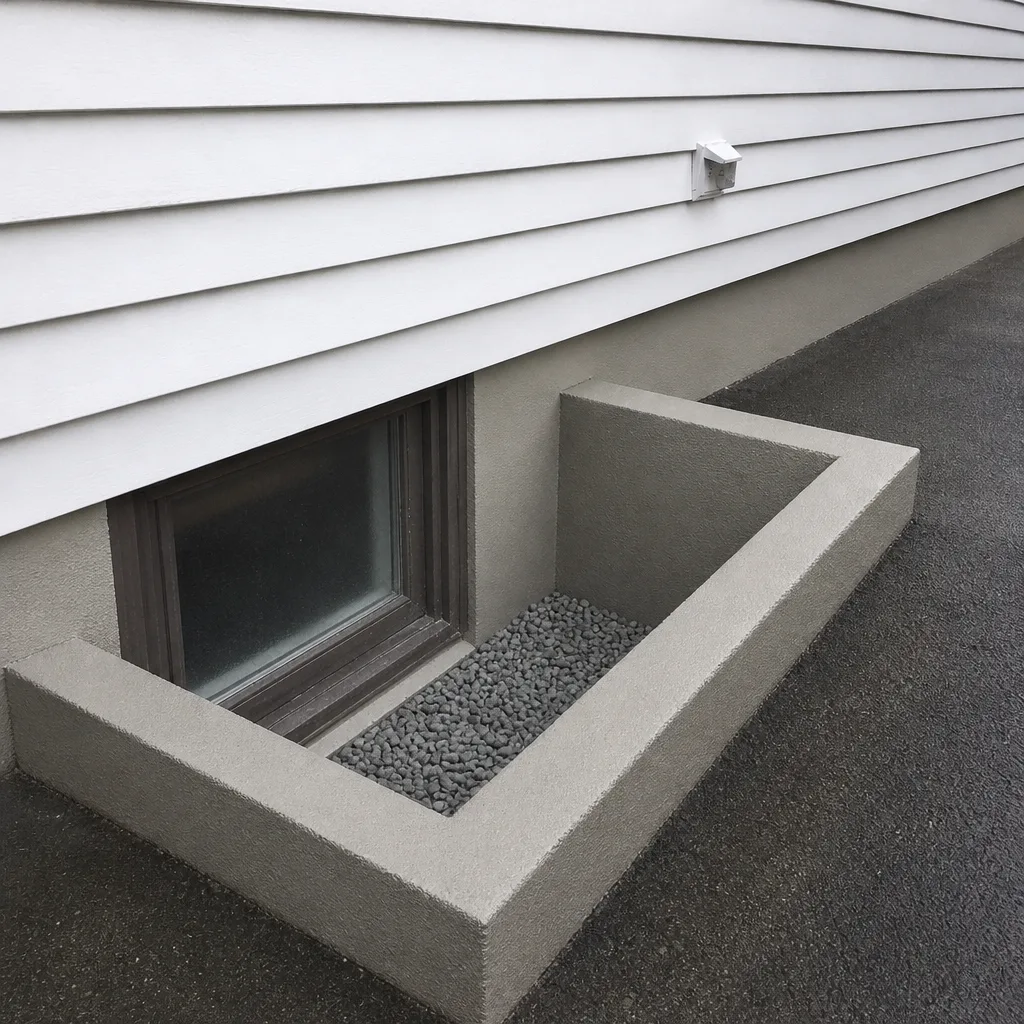 After
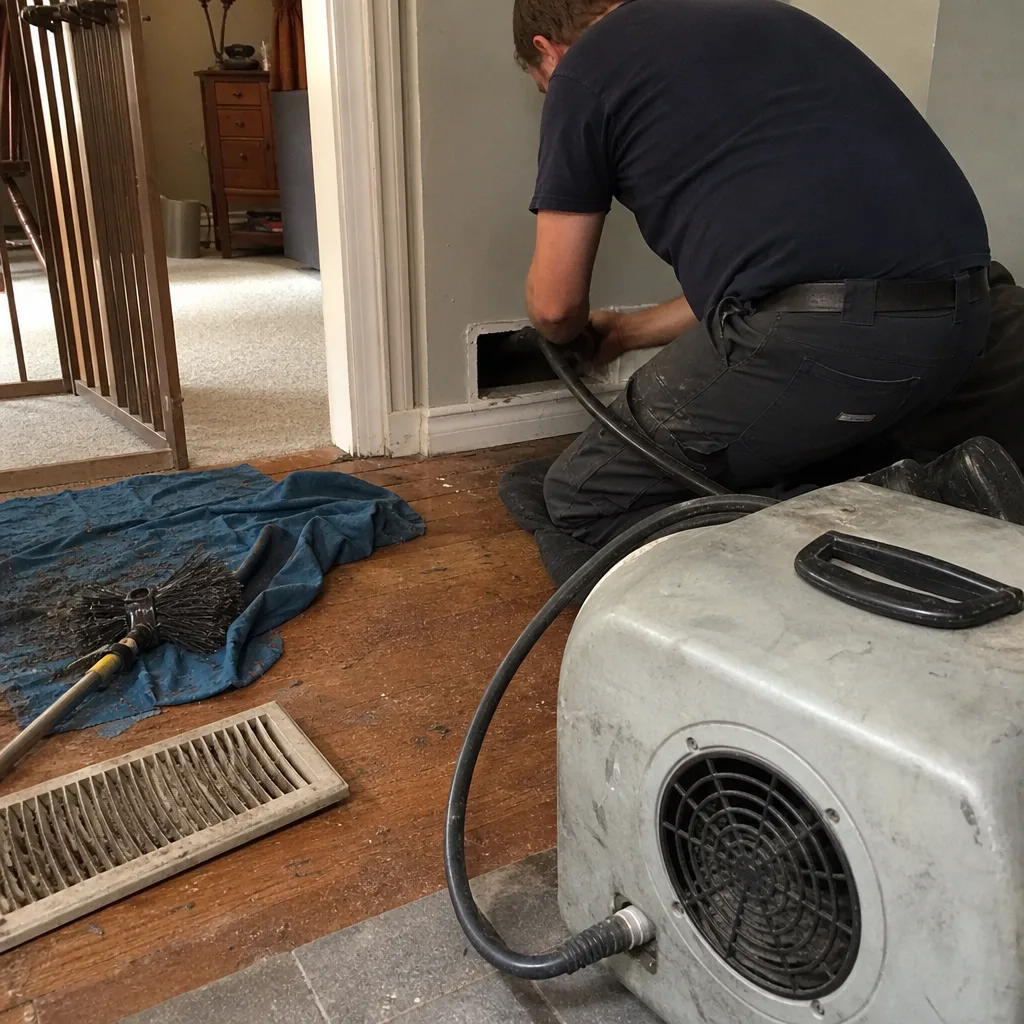 Before
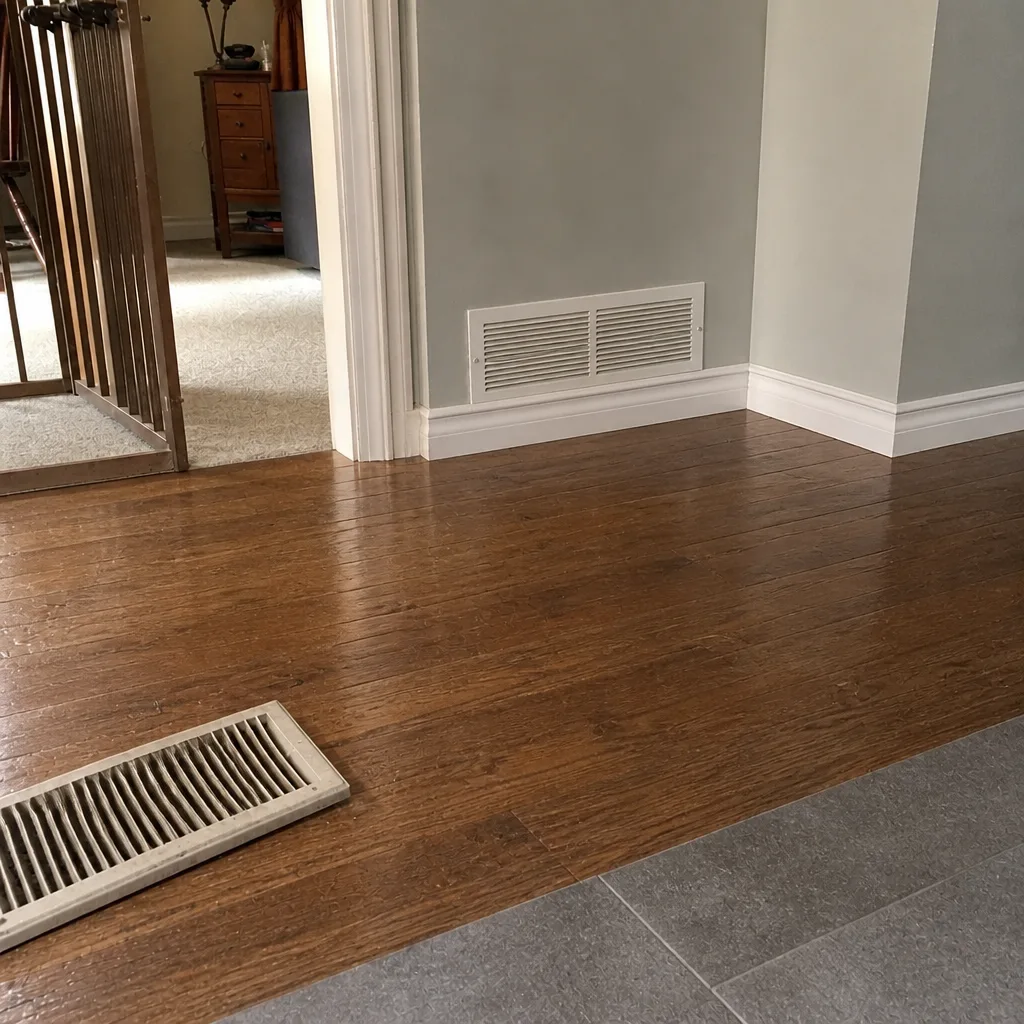 After
Frequently Asked Questions
Once a year is a reasonable baseline for most Minneapolis homes, ideally in late winter or early spring so you catch the peak condensation-driven buildup. Clean more often (twice a year or more) if your run is long, passes through a garage or crawl space, or serves a large household. Call (844) 320-5410 for an exact recommendation based on your run – estimates are free.
In Minneapolis, the most common winter cause is condensation inside the vent run. Warm, moist exhaust hits a cold duct wall, the moisture condenses, and lint sticks to the walls. That narrows the passage and slows airflow, so the dryer has to work harder and longer. A professional cleaning removes the adhered buildup and restores normal drying times.
Yes. The U.S. Fire Administration attributes roughly 2,900 home dryer fires per year to failure to clean vents. Lint is highly combustible, and when it accumulates in a duct near the dryer’s heat source, it can ignite. In a cold climate, the condensation-driven buildup makes that accumulation faster, which is why annual cleaning matters here.
Watch for slow drying times, a dryer that feels hot to the touch on the outside, a burning or warm-lint smell, weak airflow at the exterior cap, or a flap that doesn’t open when the dryer runs. Any of these means the vent needs inspection. Call (844) 320-5410 to get a professional estimate – there’s no charge for the estimate.
For routine upkeep, check the exterior cap and the transition duct, and clear any snow or ice blocking the vent. For a full cleaning, professional rotary brush equipment is the most effective approach because it scrubs the walls of the run rather than just pulling loose lint. At Clover, we use Rotobrush and Nikro systems for every job.
You can and should keep up with the monthly checklist items (clearing the lint screen, checking the exterior cap, watching drying times). For the annual full cleaning, a professional with a rotary brush system gets what a shop vac cannot: adhered lint on segmented and angled runs. Call (844) 320-5410 for a free estimate to compare.
The Bottom Line
Dryer vent maintenance in Minneapolis is a year-round habit with a cold-weather twist. The checklist in this guide covers what to check and how often, and the late-winter cleaning timing is the highest-value habit for a Minnesota home. If you take one thing away from this guide, make it that: check the exterior cap every few months, and clean the full run annually, ideally in late winter. The condensation cycle that makes Minneapolis winters hard on your dryer is also what makes professional rotary brush cleaning the right tool for the job. If you’d like a professional assessment, Clover Air Duct Cleaning offers free estimates in Minneapolis – call (844) 320-5410. We answer 24/7. Fast dispatch from 7am to 7pm, Sunday through Friday.
Written by the team at Clover Air Duct Cleaning.