
Nikro Dryer Vent Cleaning in Minneapolis: A Homeowner’s Guide
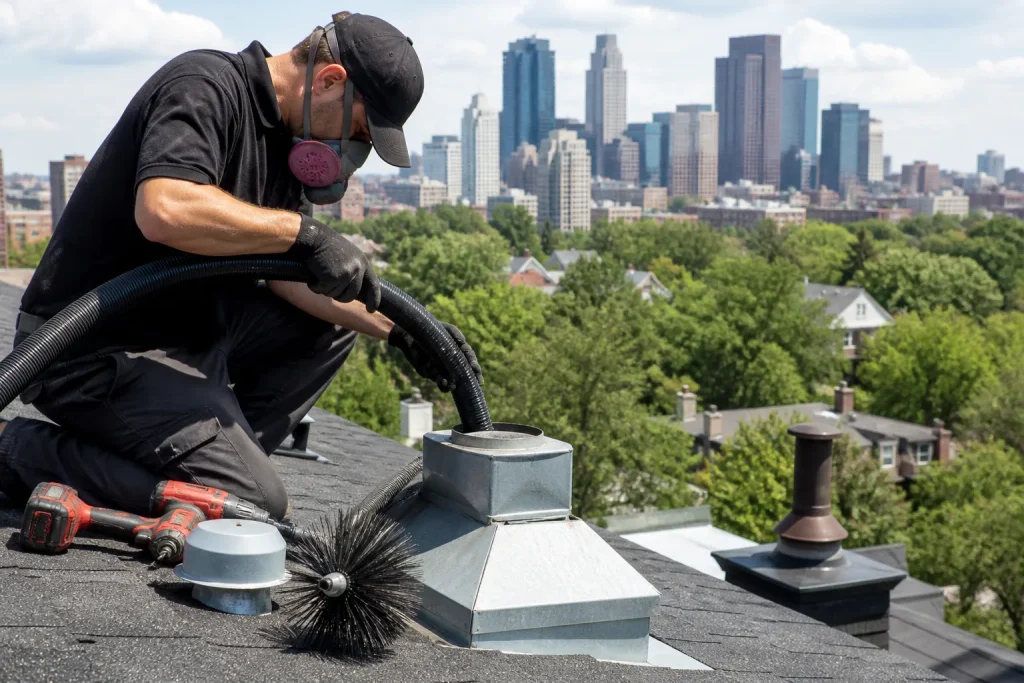
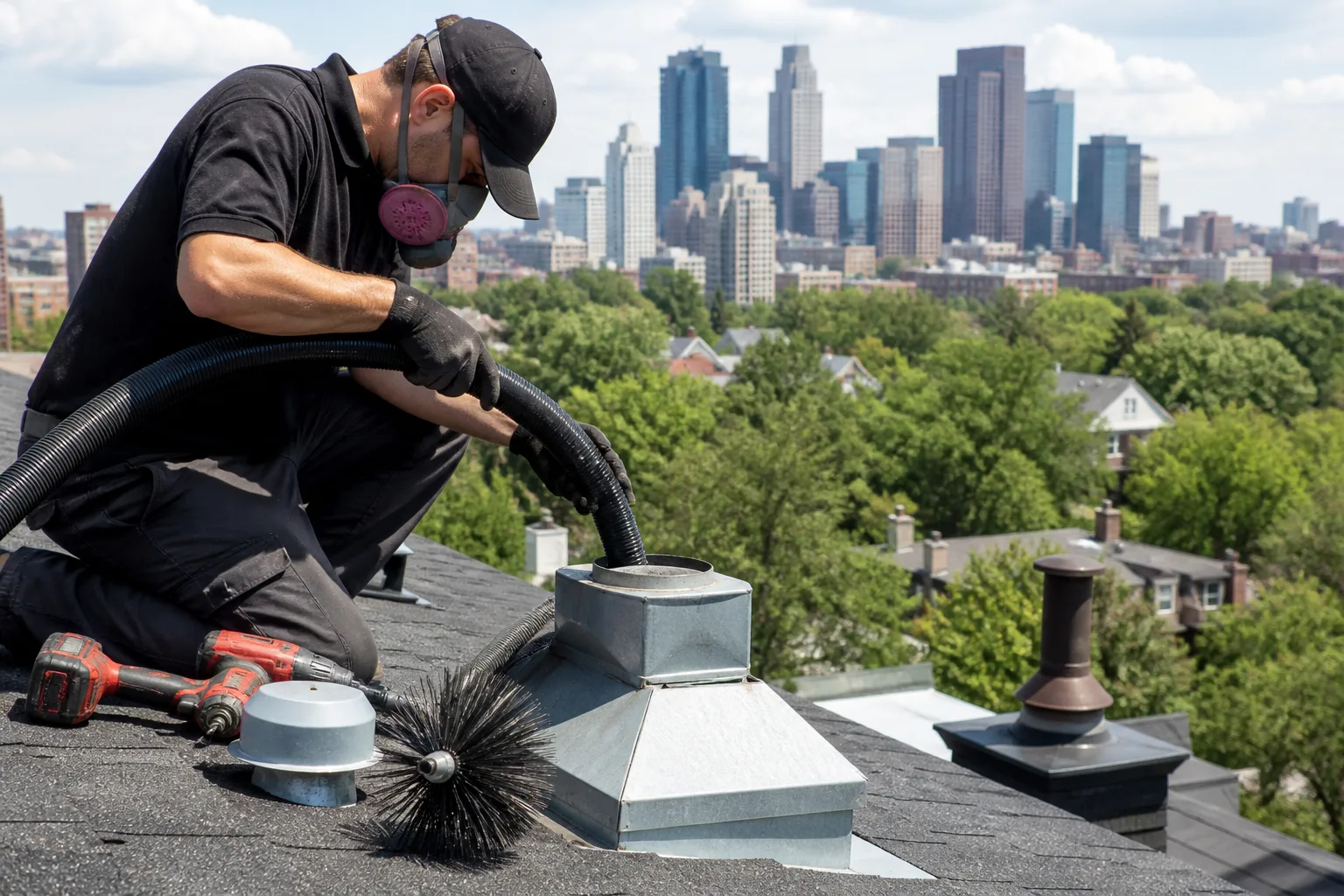
Most dryer vent cleanings move lint. A Nikro-equipped cleaning removes it. The difference matters more than most homeowners realize, because lint that gets scrubbed loose without being captured doesn’t leave your house – it just settles somewhere else, often back into the duct run, the dryer cabinet, or the air in your laundry room. Nikro industrial vacuum systems are built to do the opposite: create negative pressure at the vent opening and pull lint out under commercial-grade suction while a rotary brush works the duct wall. That’s a fundamentally different process than a rod-and-blow job, and it’s worth knowing how to tell the two apart before you book anyone in Minneapolis.
If you’d rather not climb a ladder and guess, call (844) 320-5410. We answer 24/7. Fast dispatch from 7am to 7pm, Sunday through Friday.
What Makes Nikro Equipment Different From a Shop Vac?
Nikro builds commercial vacuum systems for the restoration and duct cleaning trades. They’re not consumer vacuums with a bigger motor – they’re purpose-built machines with HEPA filtration, high CFM (cubic feet per minute) airflow ratings, and the kind of sealed containment you need when you’re pulling years of lint out of a duct run. The short answer: a Nikro system captures lint at the source instead of just loosening it.
Here’s what that actually means in plain terms:
- HEPA filtration: The exhaust air is filtered to a fine enough level that fine lint particles and dust don’t blow back into your laundry room. A shop vac has no such filtration – it just relocates the problem.
- CFM ratings: Commercial vacuums move a lot more air per minute than household units. More airflow means lint deep in a long duct run actually gets pulled out, not just the first few feet near the opening.
- Negative pressure: When a Nikro vacuum is connected at the vent, it creates a pressure differential that draws air (and lint) toward the machine. Debris moves toward the vacuum, not into your room. That’s the whole point.
- Rotary brush + vacuum together: The brush scrubs the duct wall while the vacuum pulls. Doing both at once is the standard, and it’s what separates real cleaning from a pass with a rod.
In Minneapolis, where many homes have longer vent runs because the dryer sits on a lower level or in a utility closet, that airflow capacity matters. A short run hides a weak vacuum. A long one exposes it.
Why the Equipment Matters More Than the Price
A cheap dryer vent cleaning quote usually reflects cheap equipment. That’s not a knock on any one company – it’s just how the math works. Pulling lint out of a duct under negative pressure with HEPA filtration requires an investment in hardware, and that hardware costs money to run and maintain. A brush and a shop vac cost a fraction of that. So when you see a very low price, you’re often paying for the brush-and-blow version of the job.
Here’s the problem: lint disturbed without capture doesn’t disappear. It resettles. Some of it ends up back in the duct run. Some of it ends up in the dryer cabinet, near the heating element, which is exactly where you don’t want it. The job looks done because the technician ran a brush through and pulled some lint out the vent, but the fine material – the stuff that actually catches fire – is still in the system.
We’ve seen this pattern enough to be blunt about it: the equipment behind the cleaning is the cleaning. Price tells you what equipment is being used. It doesn’t tell you the quality of the result unless you ask.
How to Ask a Company What Equipment They Use
This is the most practical part of this guide, so we’ll make it a script. Before you book a dryer vent cleaning anywhere in Minneapolis, ask these questions on the phone. A company using proper equipment will answer them without hesitation. A company that won’t answer is telling you something too.
- “Do you use a rotary brush and vacuum at the same time, or a rod-and-blow method?” You want simultaneous brush-and-vacuum. Rod-and-blow alone dislodges lint without capturing it.
- “What kind of vacuum is on the truck?” Look for a commercial unit with HEPA filtration – Nikro, or an equivalent. If they can’t name the equipment, that’s your answer.
- “Do you run the vacuum at the vent opening the whole time?” It should be running continuously, not just at the end.
- “Will you check the exterior cap and the duct run for damage?” Equipment-serious companies assess as they clean. More on that below.
- “Can you show me before-and-after of my own vent?” Photos of your vent, not stock images.
One more: ask whether the company cleans the entire run from the dryer to the exterior termination, or just the accessible portion. The lint that causes fires is usually near the exterior cap and in the bends, not in the first two feet.
What a Nikro-Equipped Technician Can Assess That a Basic Service Can’t
Good equipment doesn’t just clean better – it lets a technician see and verify things a brush-and-blow job can’t. When a Nikro system is connected at the vent and pulling under negative pressure, the technician has real airflow data to work with. That opens up several checks:
- Airflow verification: A properly equipped technician can tell whether your dryer is moving air the way it should. Restricted airflow is the number one reason dryers take multiple cycles to dry a load, and it’s a fire-presage signal, not just an inconvenience.
- Duct integrity check: Flexible foil or vinyl duct that’s crushed, sagging, or disconnected behind the dryer is a common culprit. A technician with the right vacuum can pull the run clear and inspect it, rather than working around a problem area.
- Cap condition: The exterior vent cap on a Minneapolis home takes a beating from winter freeze-thaw cycles. A stuck or damaged cap flap keeps lint and moisture trapped. Many basic cleanings never leave the laundry room, so the cap never gets checked.
- Full-run access: Nikro suction pulls from the termination end of a long run, so lint near the cap – the highest-risk zone – actually clears.
If any of that inspection turns up loose ductwork or disconnected joints, we handle that too through air duct cleaning and our repair service. Cleaning around a broken duct just means it breaks again.
The Gap Between “Professional” and Equipment-Serious in Minneapolis
Minneapolis has no shortage of companies advertising dryer vent cleaning. What it lacks is a consistent standard for what “professional” means. Some outfits use adequate equipment. Some use a shop vac and a hand drill. Some call themselves professional because they have a van and a business card. That inconsistency is the gap – and it’s why asking about equipment is the most useful thing you can do before booking.
We invested in Nikro and Rotobrush systems because the alternative doesn’t actually fix the problem. Rotobrush handles the duct cleaning side; Nikro handles the commercial vacuum and containment work. Together they cover the full run, not just the easy part. We also use Abatement Technologies equipment when containment matters, because pulling lint out of a home shouldn’t mean putting dust into the air while you do it. And when a customer asks about indoor air quality more broadly, we work with Honeywell and Aprilaire products so the conversation doesn’t end at the vent.
The dryers in Minneapolis homes are the same dryers found anywhere – but the vent runs, the older ductwork, and the seasonal extremes of this climate make equipment quality more visible here than in a milder market. If you want the full picture on why vent cleaning is a safety job and not a cosmetic one, our dryer vent cleaning page covers the fire-risk side in detail.
Related services in Minneapolis
Dryer vent cleaning is one of three services we offer. The other two are air duct cleaning and air duct repair. If your vent assessment turns up compromised ductwork, the repair side is what keeps a cleaning from being a temporary fix. You can read more about our full scope on our Clover Air Duct Cleaning home page. For a broader view of what we do across the Minneapolis area, start there.
When to Call a Pro Instead of Doing It Yourself
A homeowner can vacuum the lint trap and the first foot of duct behind the dryer. That’s reasonable maintenance. Everything past that is where it gets risky. The run behind the wall, the bends, the exterior termination – that’s where lint accumulates and where connecting a household vacuum does more harm than good, because you’re pulling air but not capturing fine debris. And anything involving a gas dryer, a rooftop termination, or a suspected disconnected duct is a call-a-pro situation, full stop.
If you notice any of these, book a professional cleaning:
- Clothes take more than one cycle to dry consistently
- The dryer feels hot to the touch on the cabinet or the laundry room gets humid
- You see lint accumulating around the exterior vent cap or on the siding nearby
- The cap flap doesn’t open freely, or it’s frozen shut
- It’s been more than a year since the vent was cleaned, or you’ve never had it done
We answer 24/7. A call outside dispatch hours is booked into the next opening, Sunday through Friday, 7am to 7pm. Fast dispatch from 7am to 7pm on scheduled days.
The Bottom Line
The equipment behind a dryer vent cleaning determines whether lint leaves your house or just moves around inside it. Nikro industrial vacuums are built for capture under negative pressure and HEPA filtration, and a technician running that equipment can verify airflow, inspect the full duct run, and check the exterior cap – checks a brush-and-blow job simply can’t do. Before you book any cleaning in Minneapolis, ask what equipment will be on site and whether the vacuum runs at the vent the whole time. That one question separates an equipment-serious company from the rest.
If you’re in Minneapolis and need help, Clover Air Duct Cleaning offers free estimates – call (844) 320-5410. Our technicians have up to 14 years of experience, and every job is priced per system so you know the number before work starts.
Frequently Asked Questions
Nikro dryer vent cleaning uses a commercial Nikro vacuum system – with HEPA filtration and high airflow – connected at the vent to pull lint out under negative pressure while a rotary brush scrubs the duct wall. The key difference from a basic cleaning is capture: lint moves into the vacuum instead of being loosened into the air or resettling in the duct.
Ask on the phone what vacuum is on the truck and whether the brush and vacuum run at the same time. A company using Nikro, Rotobrush, or an equivalent commercial system will name it. A company that hedges, changes the subject, or can’t tell you is likely running a rod-and-blow job with a shop vac. You can also ask whether they run the vacuum at the vent opening continuously, which is a tell.
Cheap cleanings use cheap tools. A brush and shop vac cost far less than a commercial HEPA vacuum, so a very low price usually means lint is being dislodged, not captured. Dislodged lint resettles – often near the dryer’s heating element or in the duct bends, which is exactly where fire risk lives. The cleaning can look finished while the dangerous material is still in the system. Call (844) 320-5410 for an exact quote on a full-system cleaning.
Most homes benefit from a cleaning every year to eighteen months, though it depends on how often you run the dryer and how long your vent run is. Homes with longer runs, more cycles per week, or older flexible duct should lean toward annual. If your clothes take more than one cycle to dry or the exterior cap looks linty, it’s time regardless of the calendar. Call (844) 320-5410 and we’ll help you figure out what your system needs.
Written by the team at Clover Air Duct Cleaning.
Need Air Duct Cleaning Help?
Call Clover Air Duct Cleaning - licensed & insured, with free written estimates in Minneapolis.
(844) 320-5410